projects Climate Adaptation & Mitigation Project (CAMP+)
The cooking energy sector in Uganda is dominated by unprocessed biomass, followed by charcoal.
As such, the deficit in energy sources and alternatives for cooking and lighting has continued to exert pressure on natural resources.
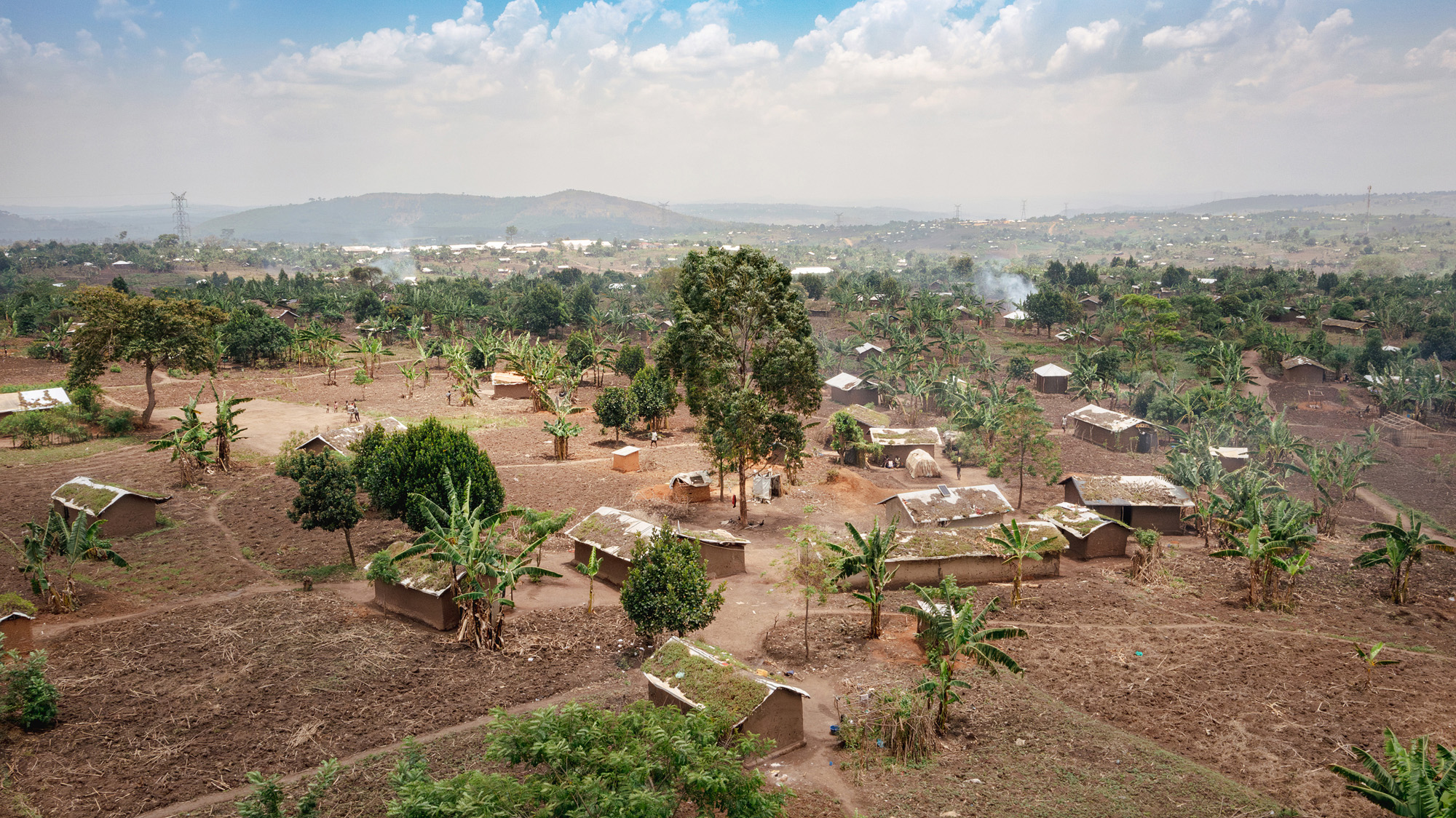
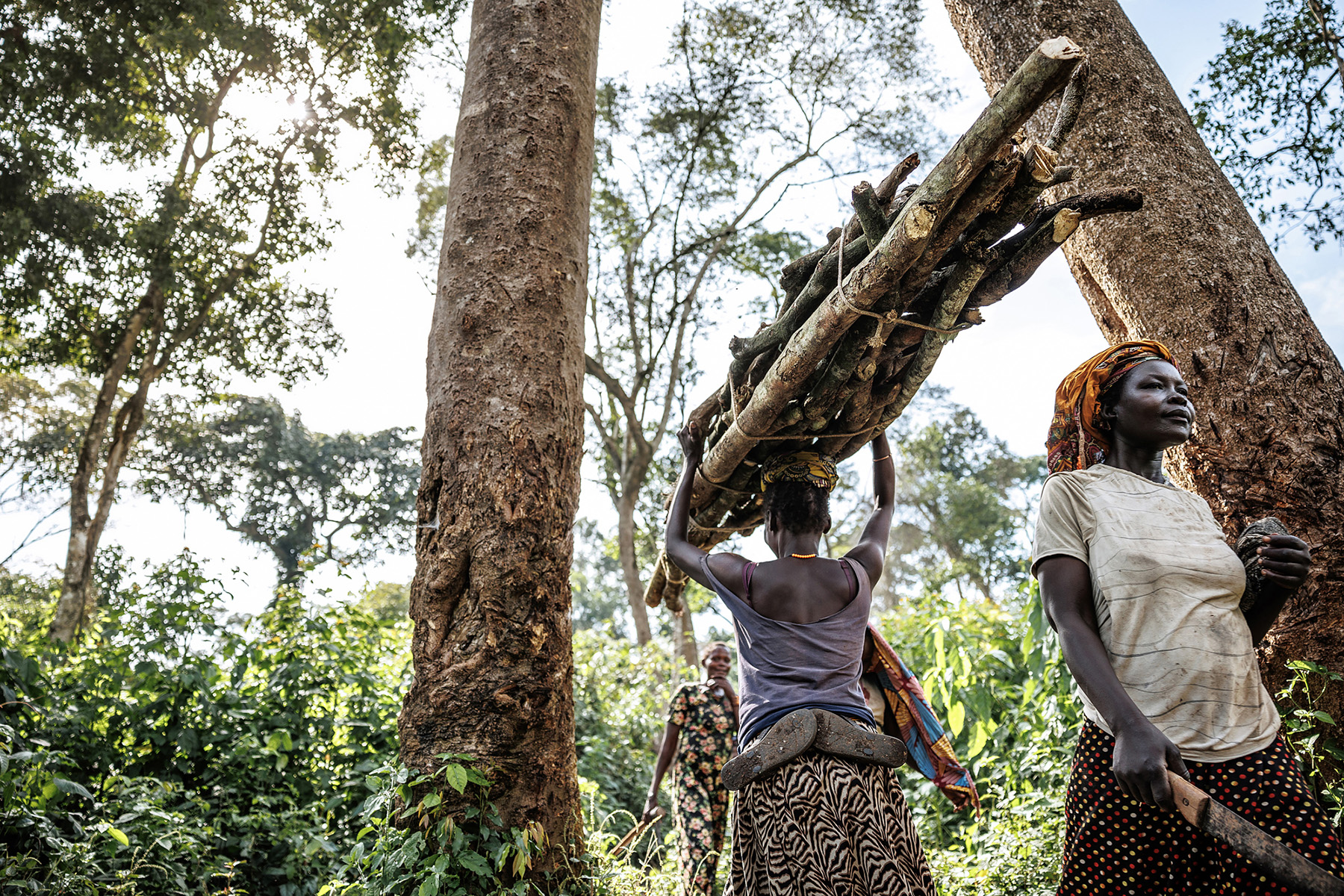
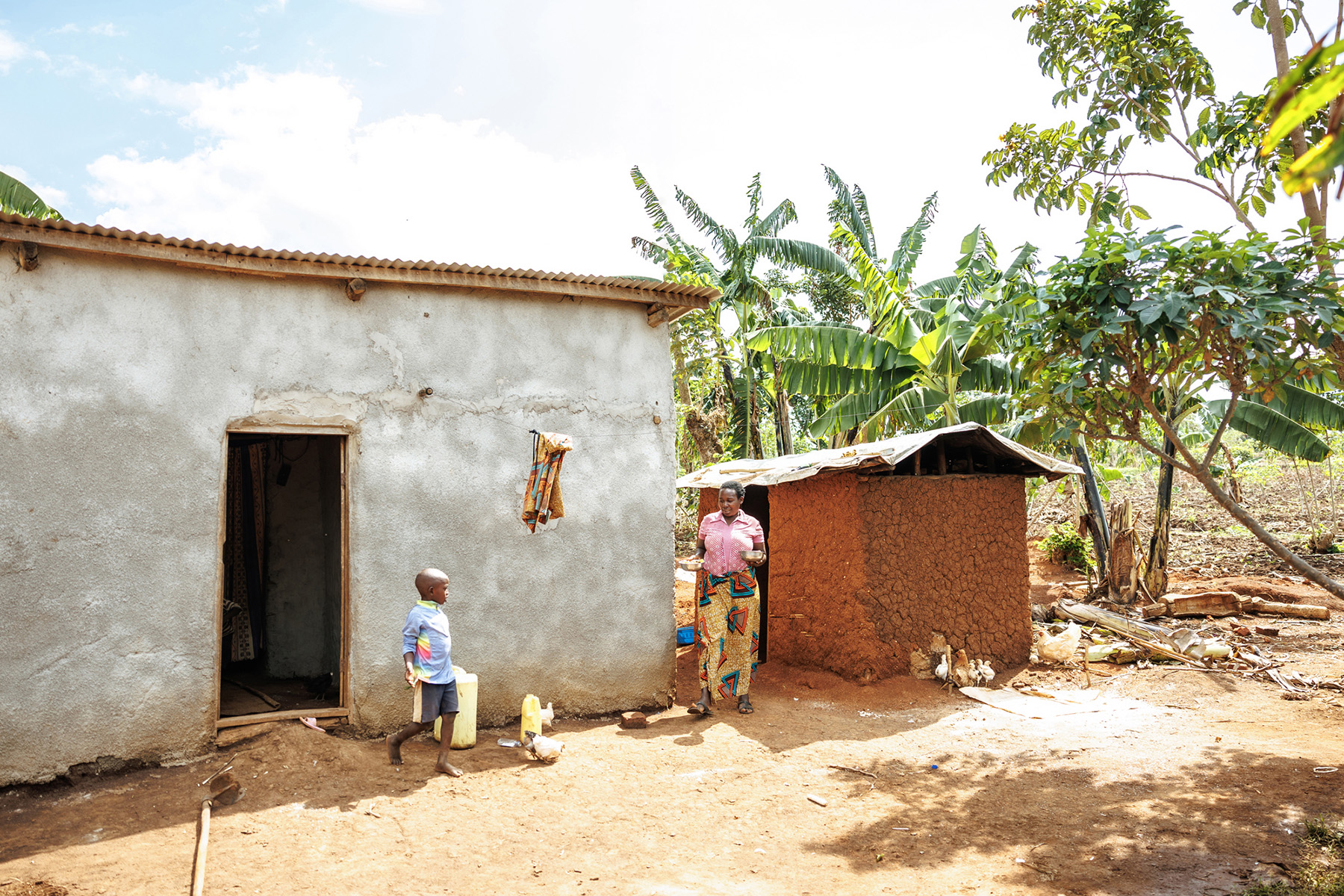
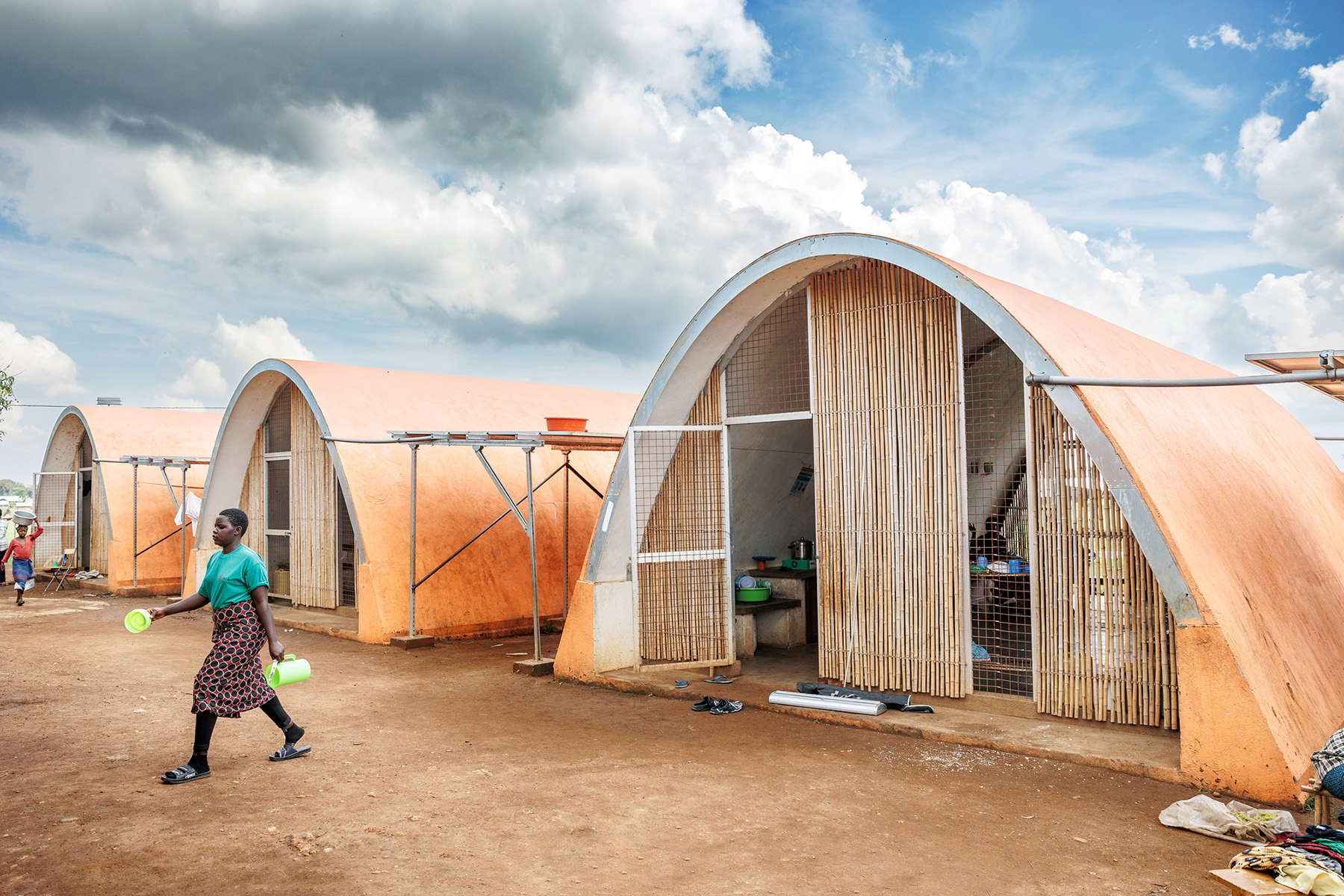
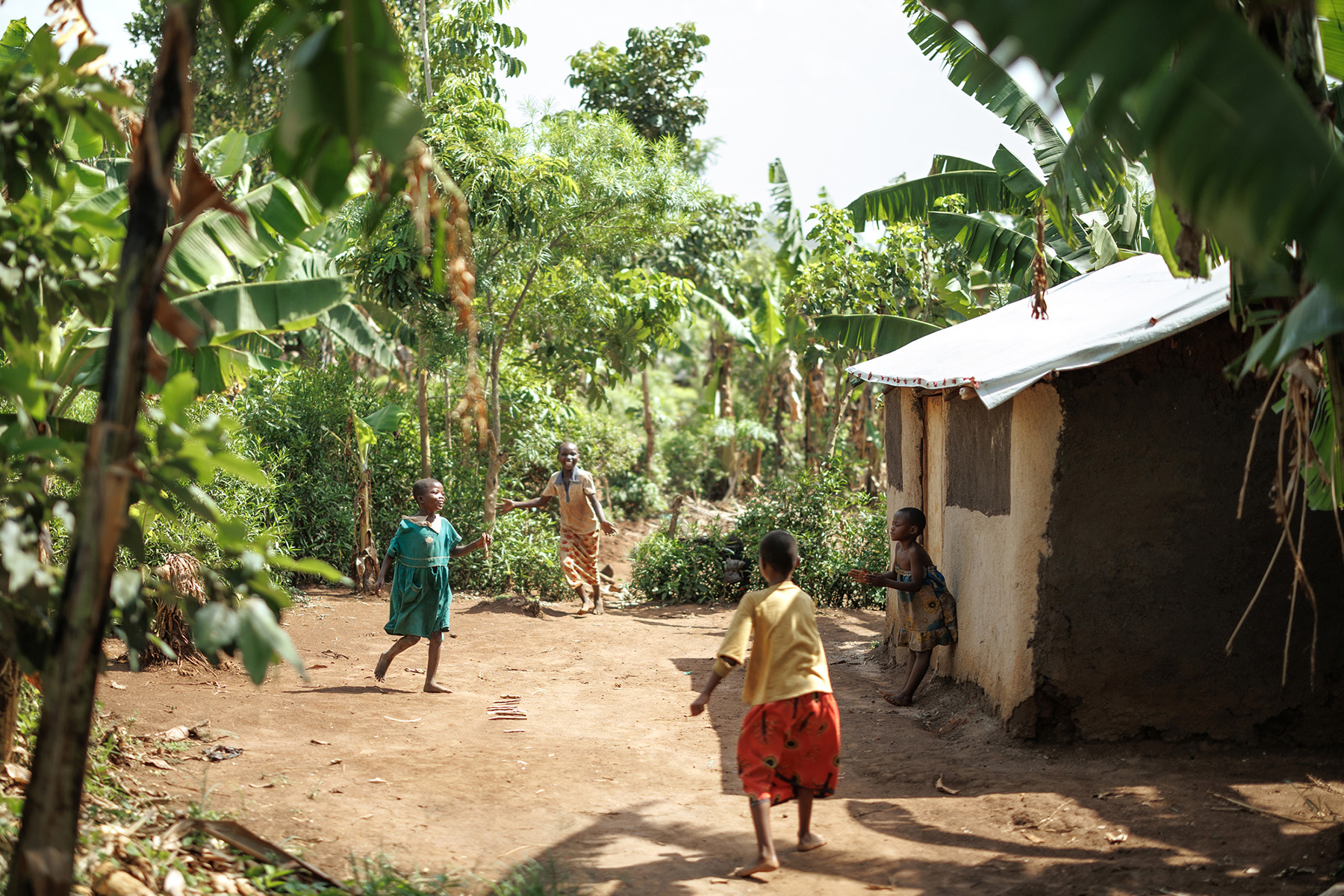
In Bugoma forest, near Kyangwali refugee settlement, Women and children travel long distances from the settlement to the forest to collect firewood for cooking their meals. The Settlement continues to receive new refugees from DRC whose livelihoods MUST depend on the already depleted sources of firewood. To complement the existing sources of energy and innovations, CARE, with partners, implemented the Climate Adaptation & Mitigation Project (CAMP+), a vehicle for energy poverty reduction where refugees and host communities are actively embracing Clean Cooking using Community solar kitchens.
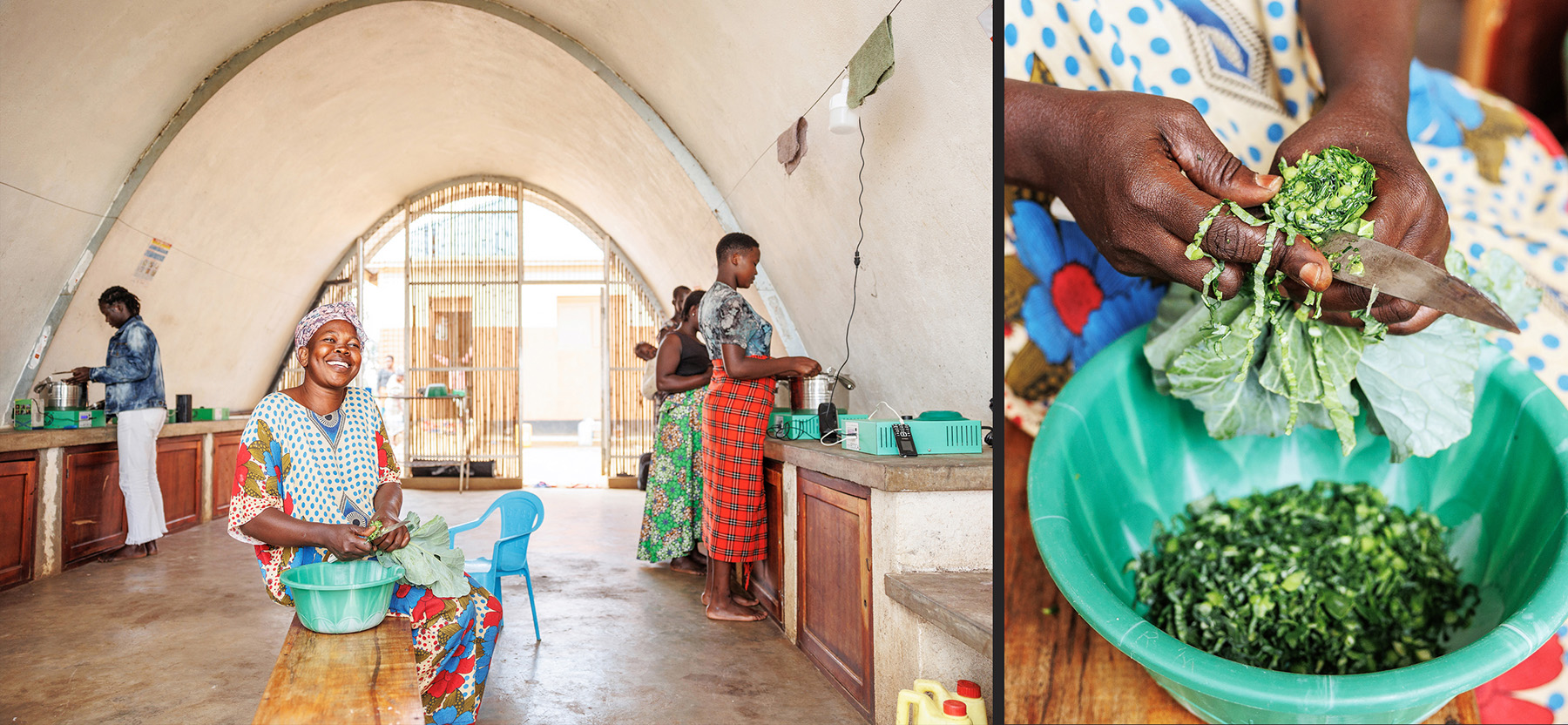
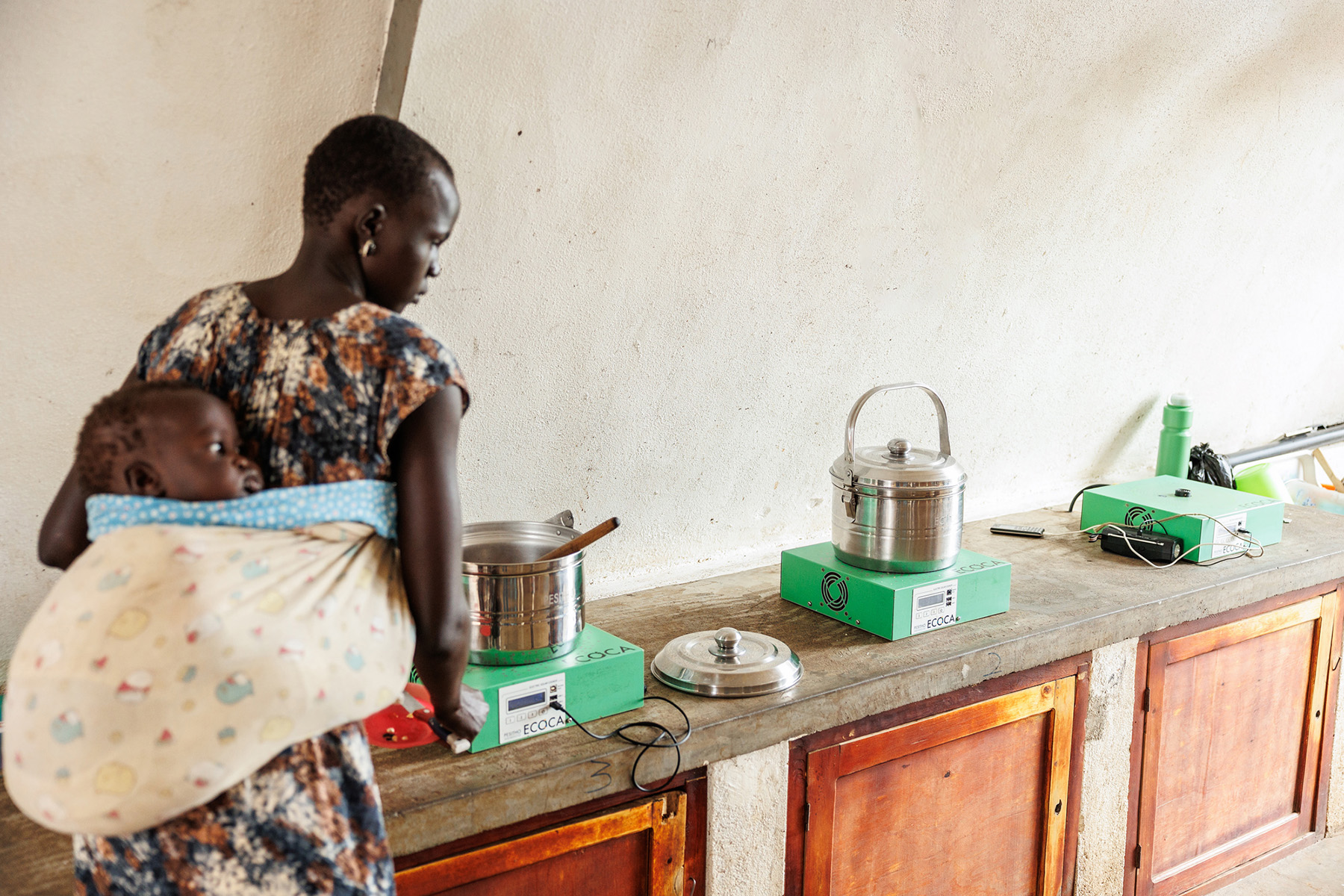
These are constructed in cemented dome shapes, painted with CARE’s orange theme color, has two points of entrance beautifully sealed off with wire mesh and bamboo for good aeration. Each Community Solar Kitchen has 10 stoves, enough for about 50 households, and are designed to cook all sorts of food between one to four hours, as well as charge phones.
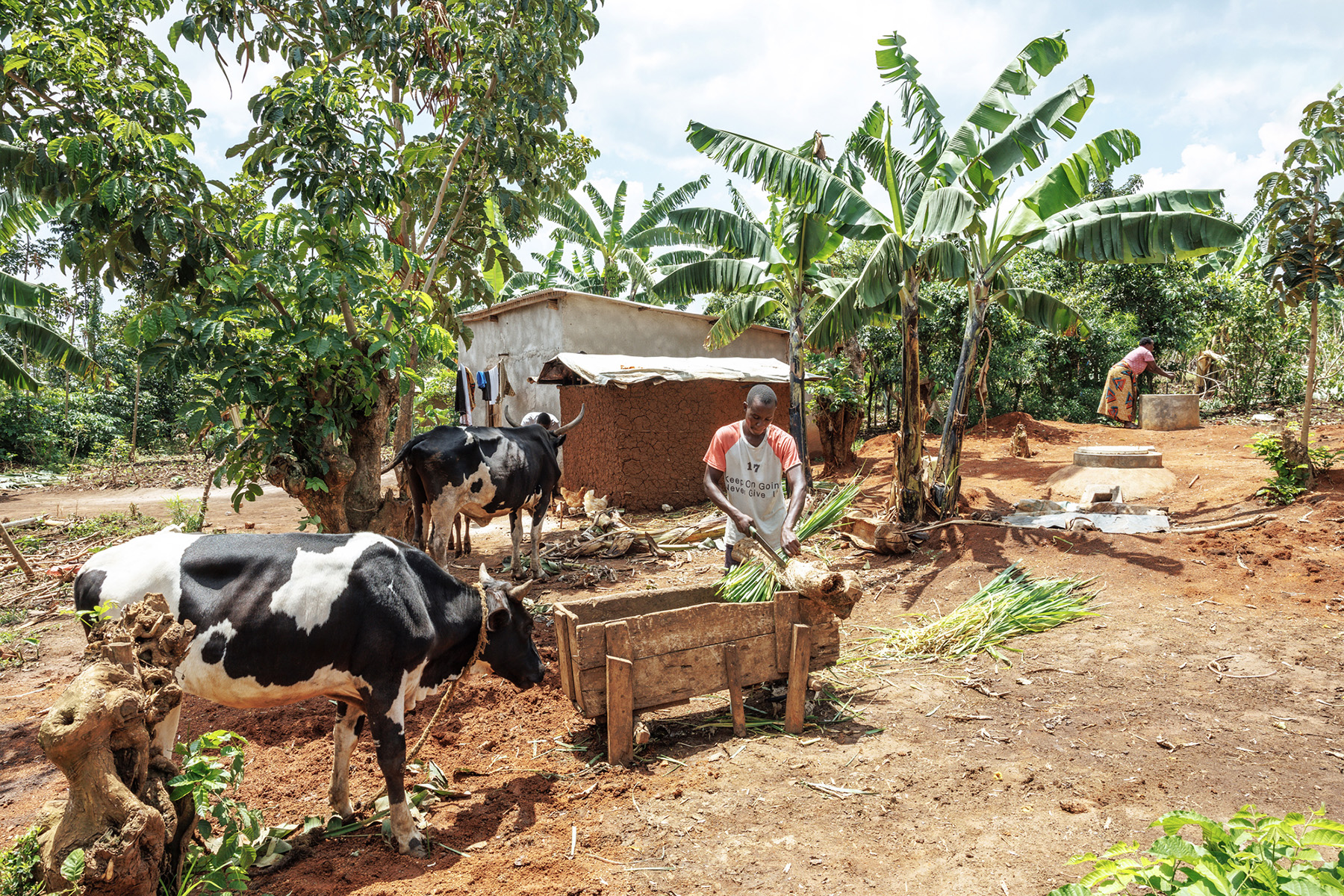
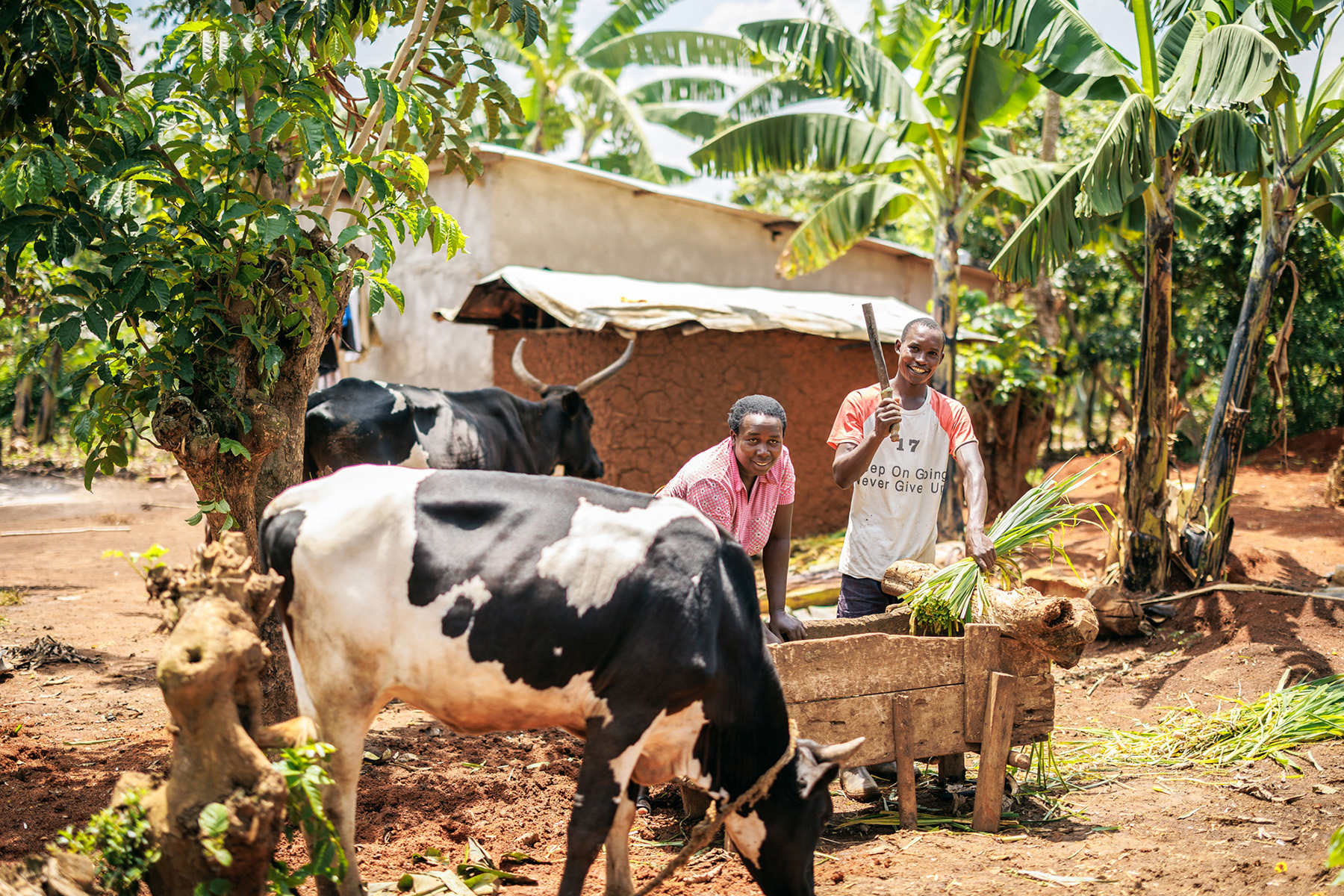
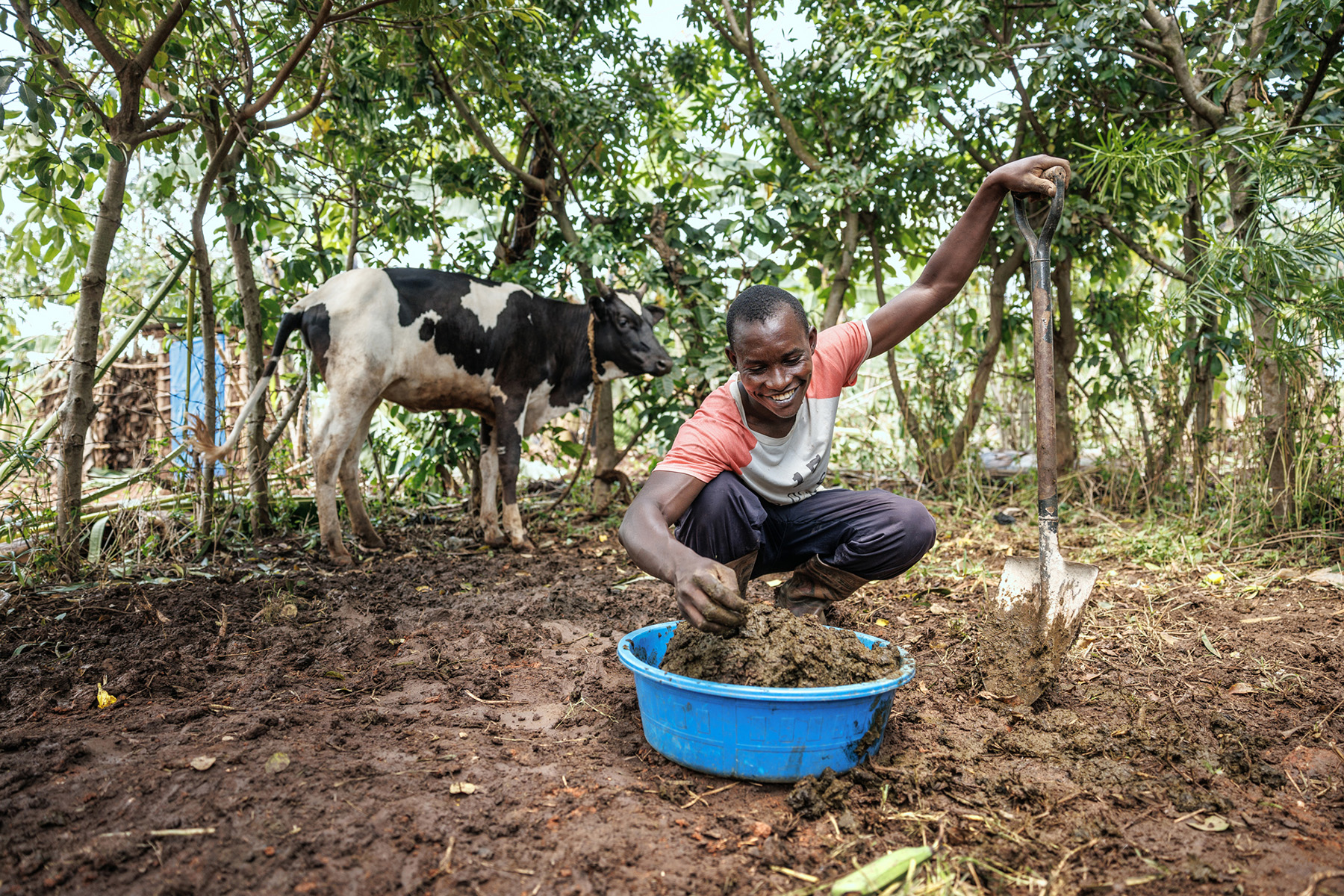
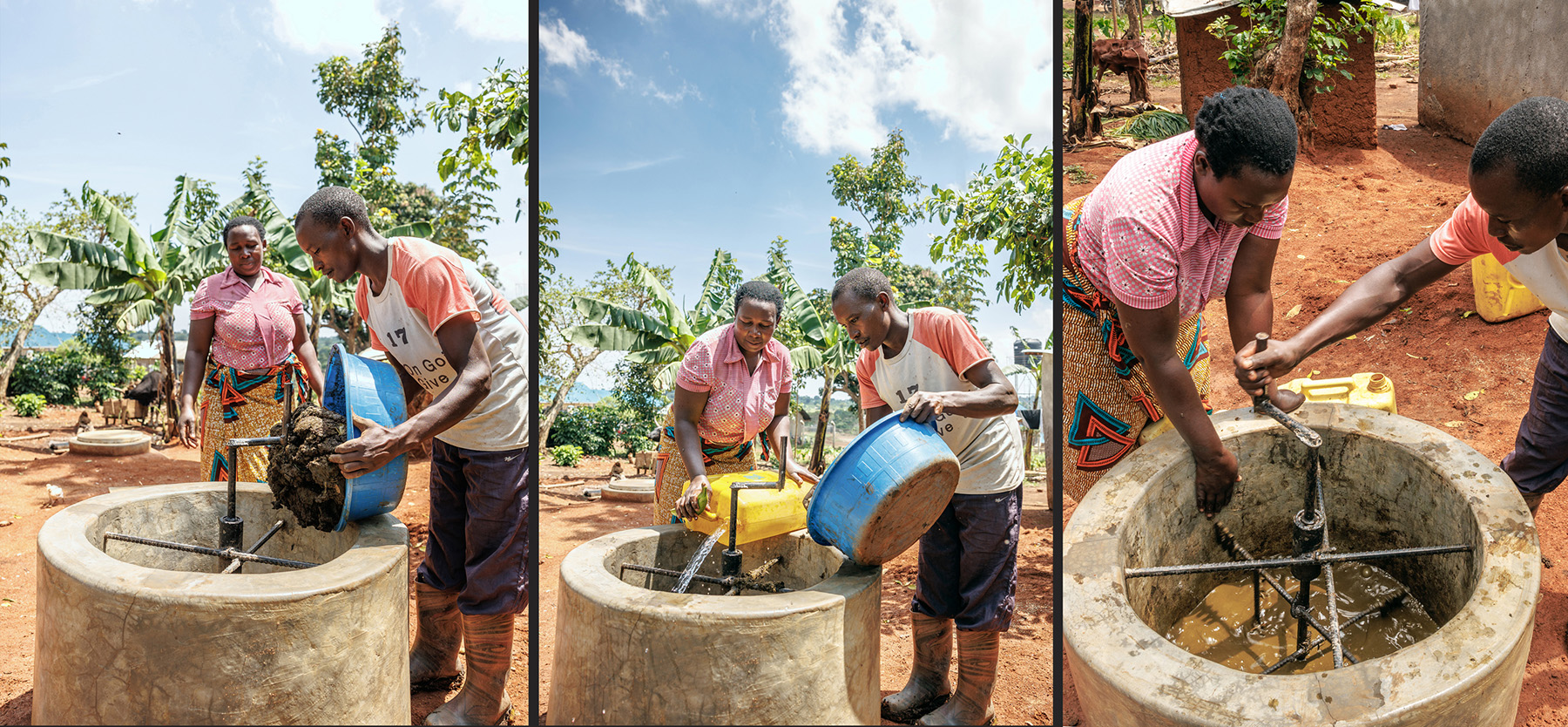
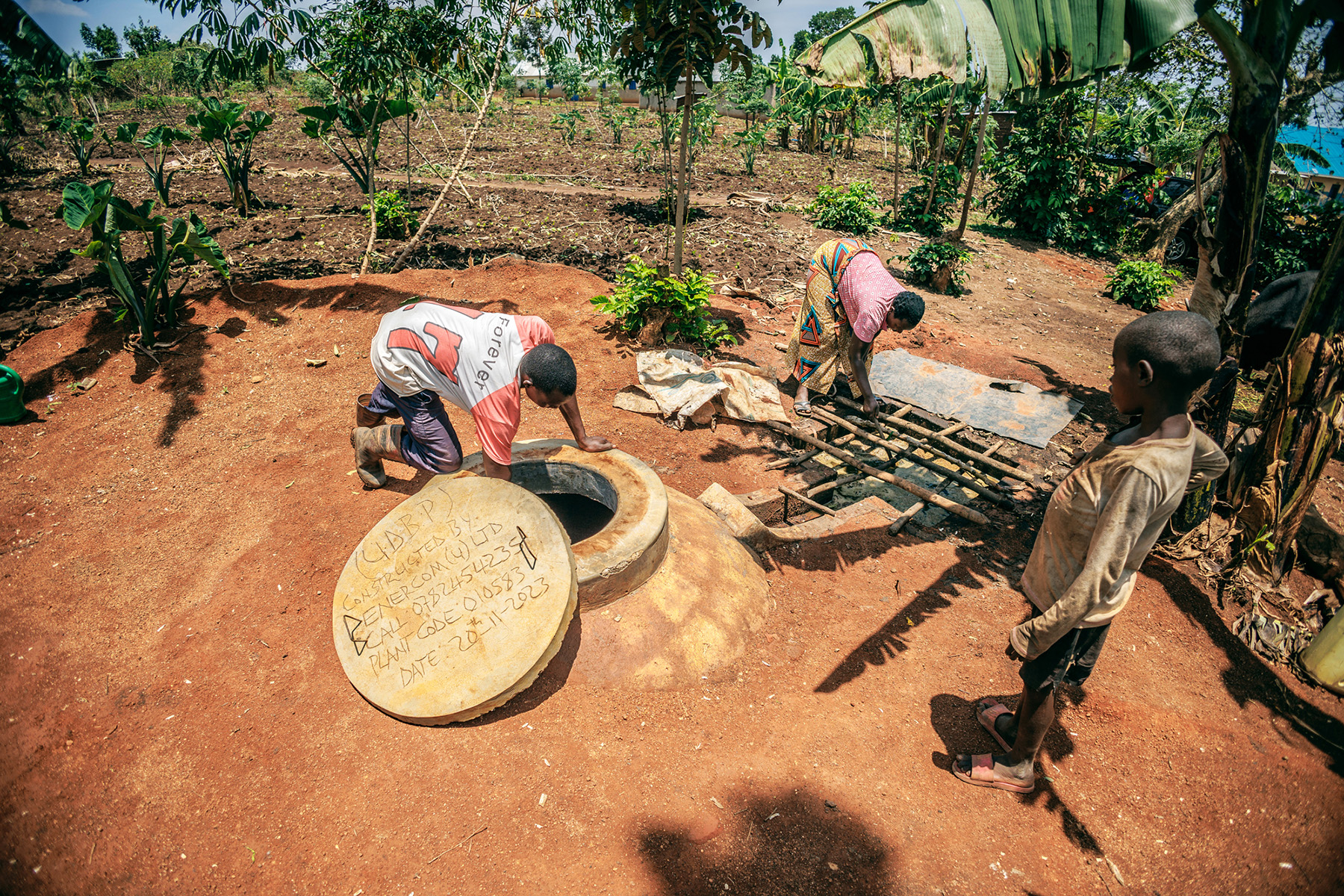
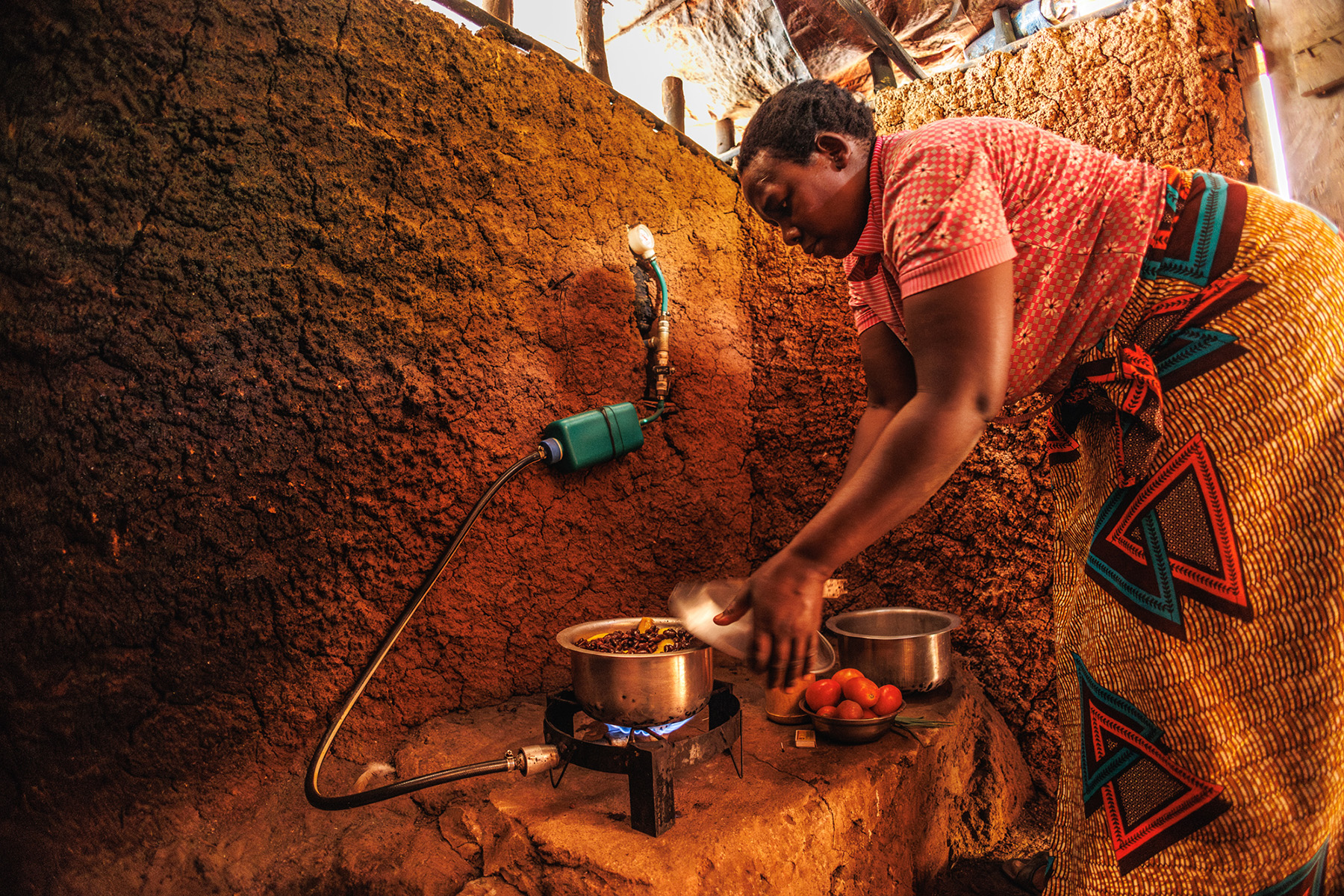
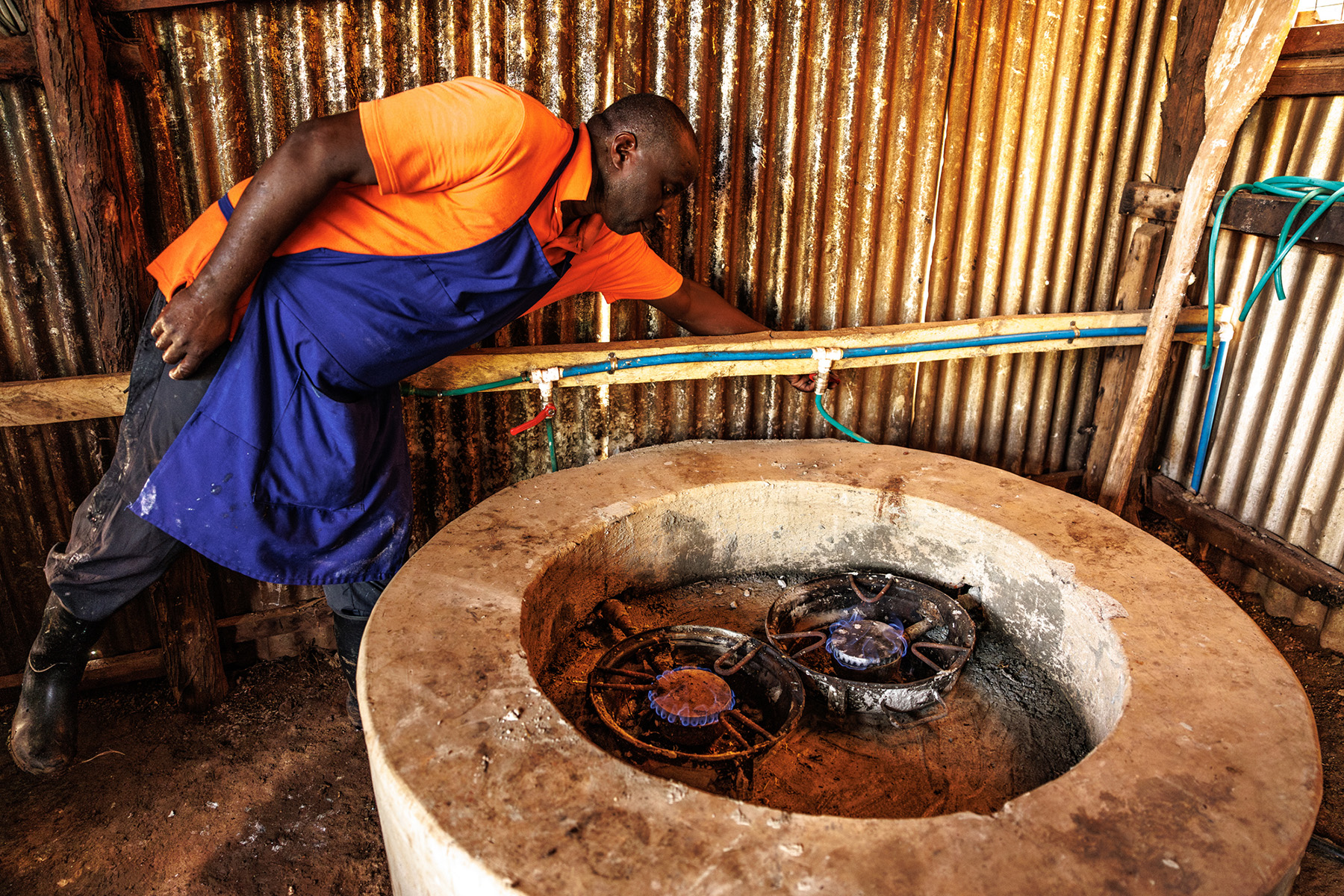
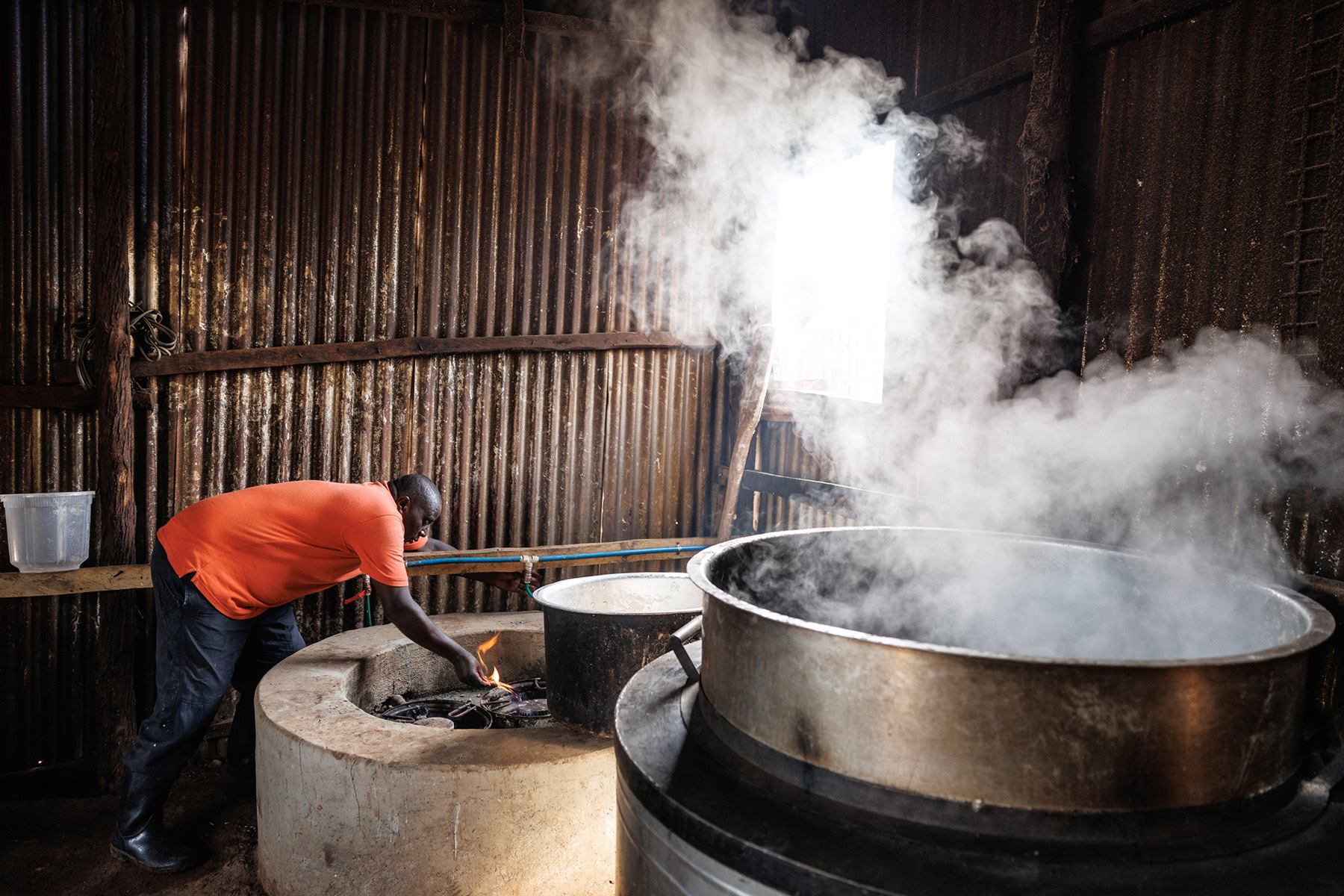
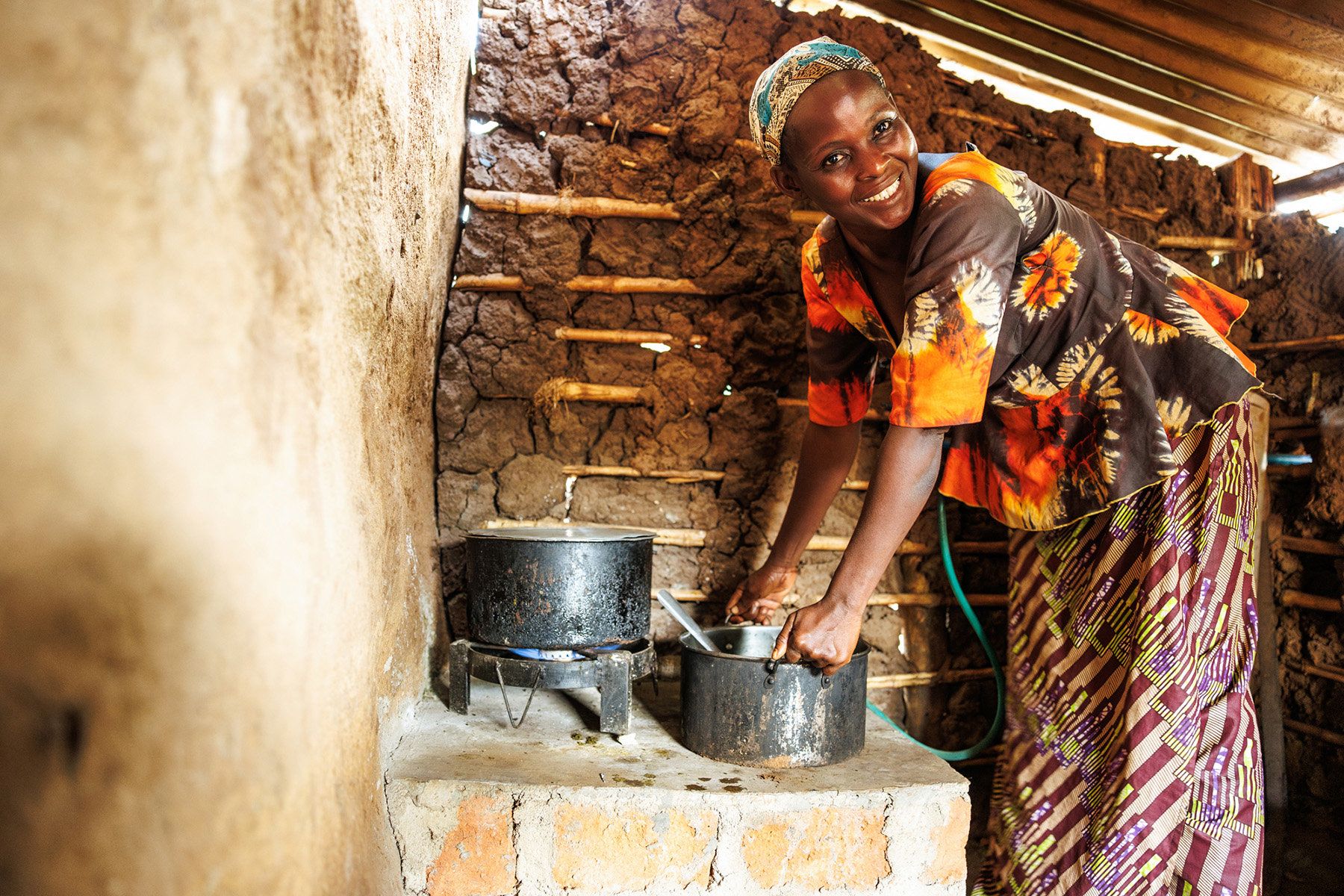
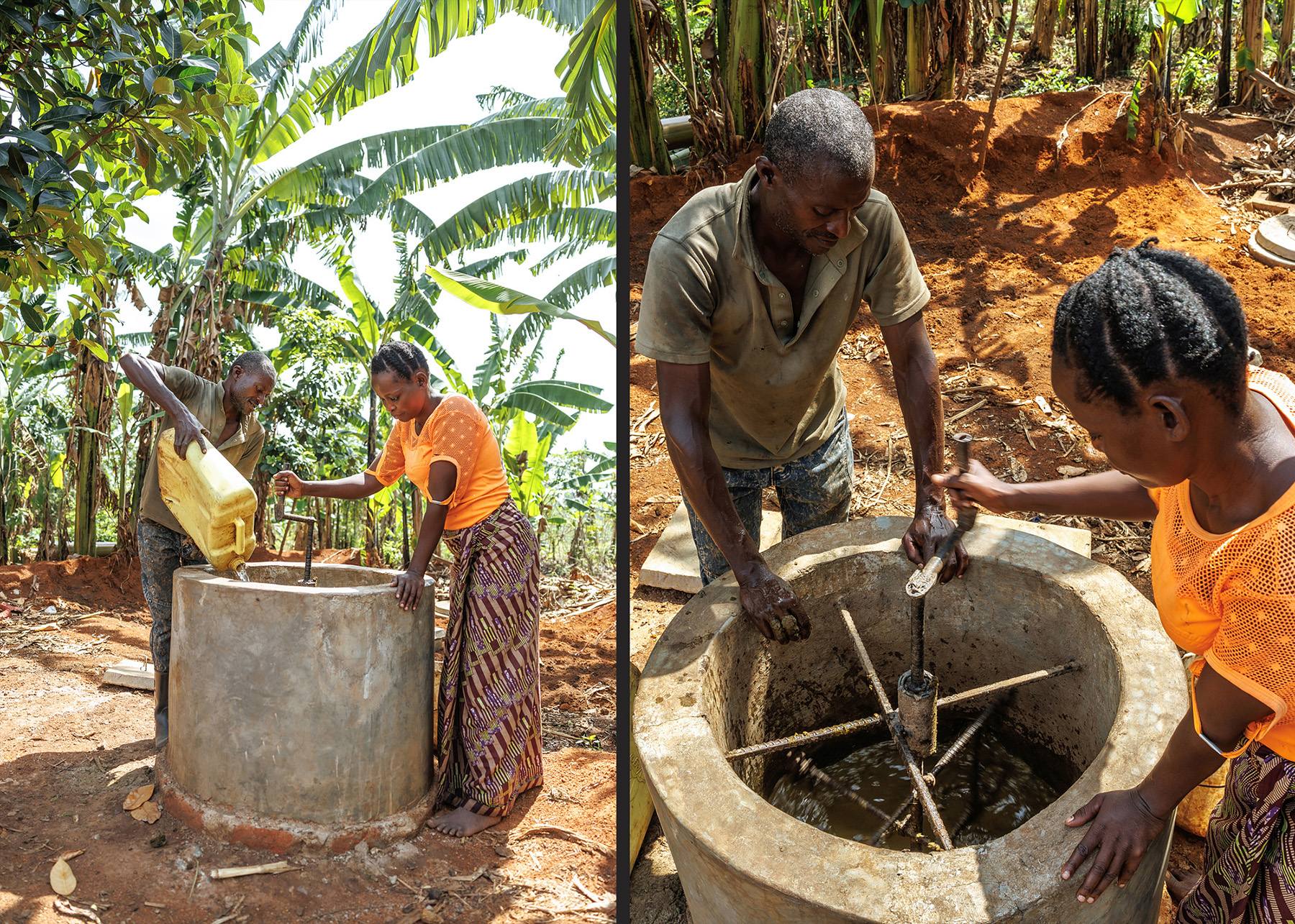
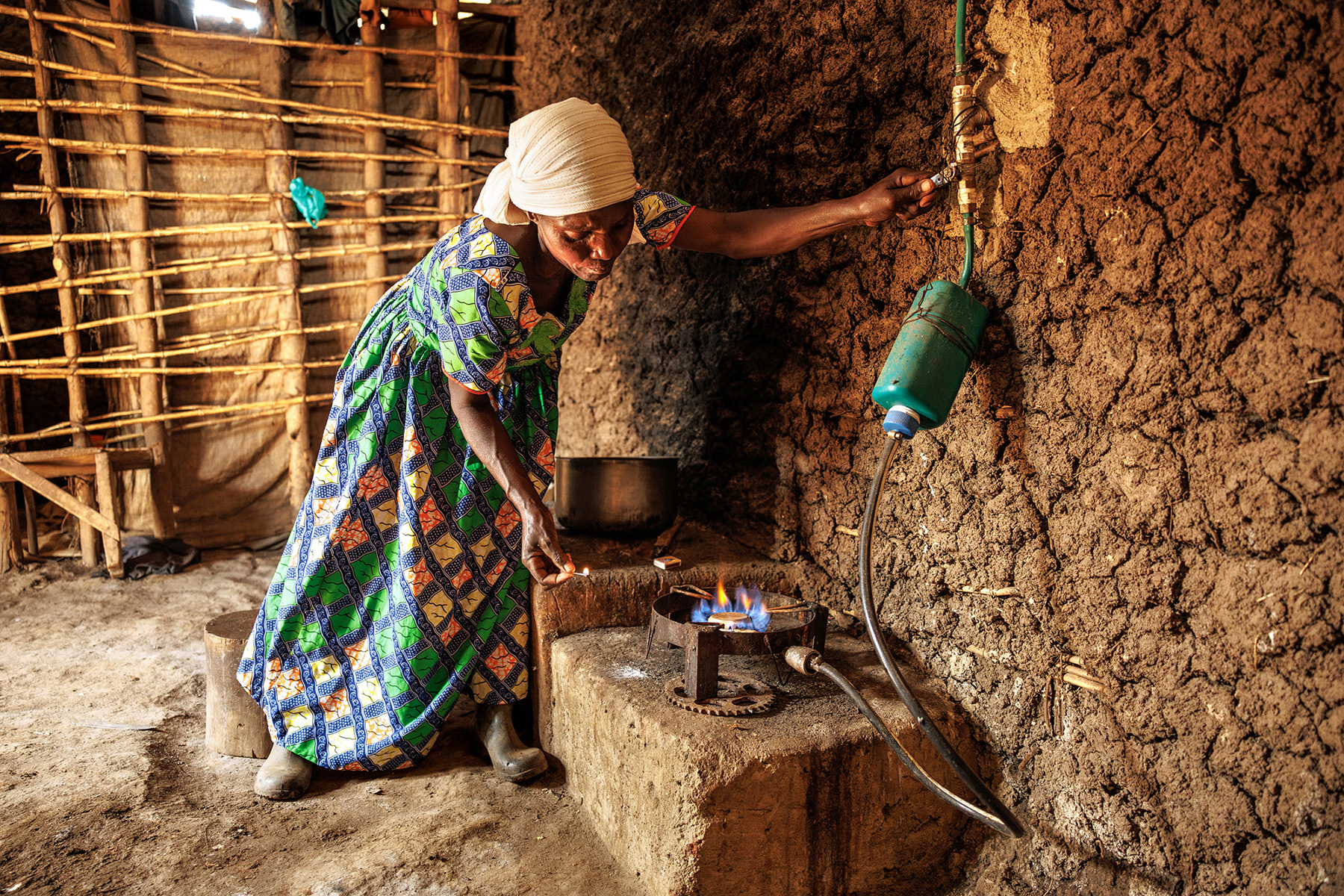
65 household Biodigester units have been set up in select families to help with the same problem.
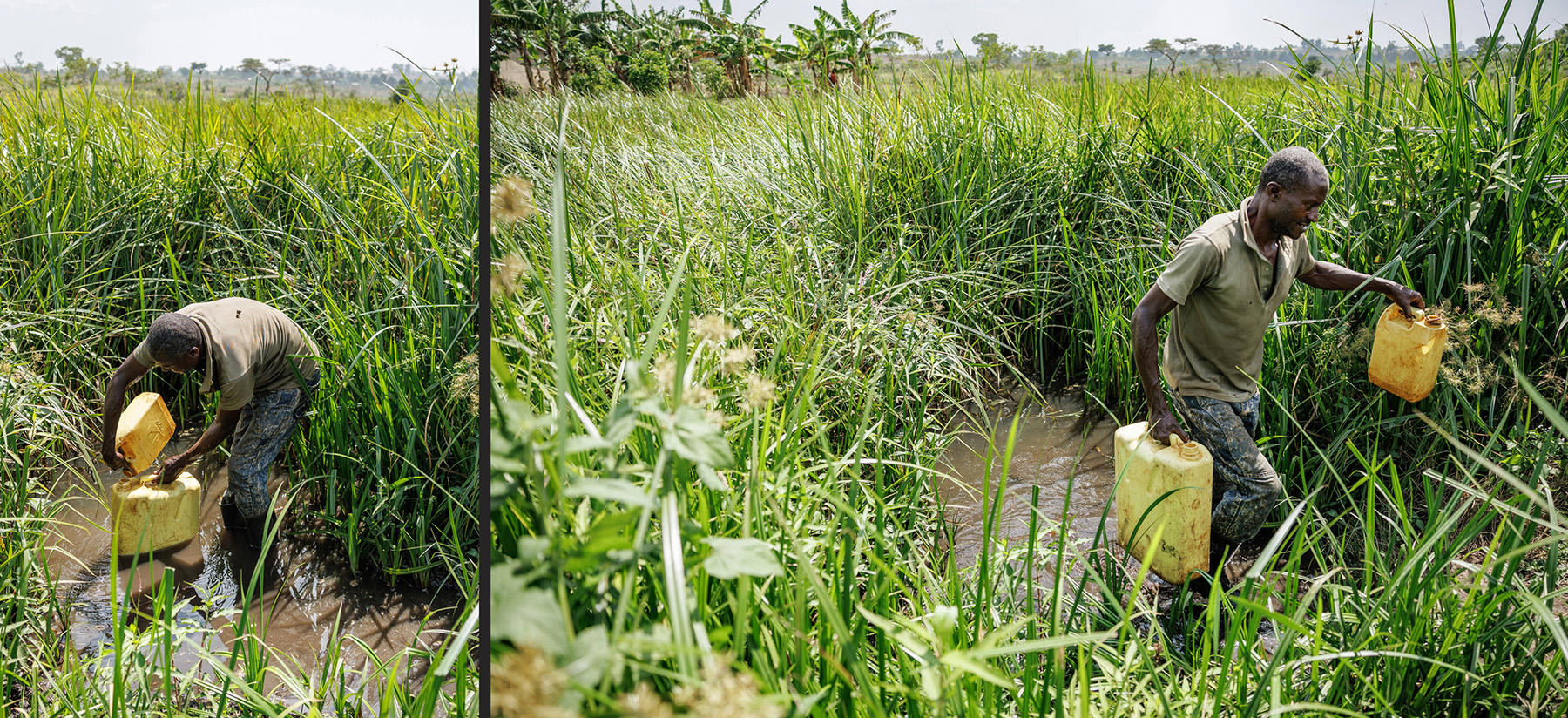
Biodigesters use cow dung to produce biogas through a process called anaerobic digestion. This process breaks down organic waste in the absence of oxygen to create methane, carbon dioxide, and water.
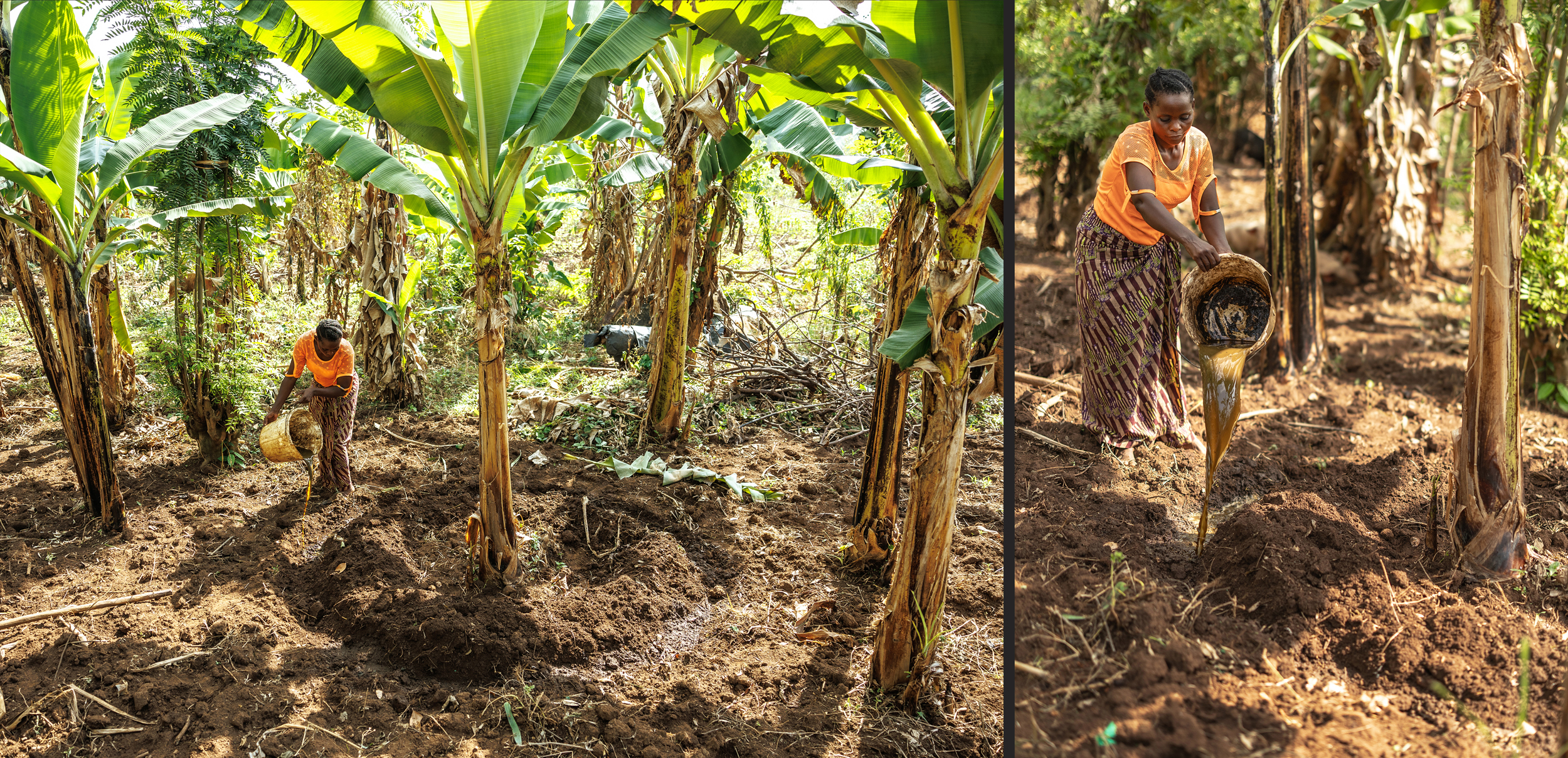
Biogas has many advantages, including being a renewable energy source, reducing pollution, and creating organic fertilizer.
© CARE / Jjumba Martin 2024.