projects Enter Energy Ethiopia
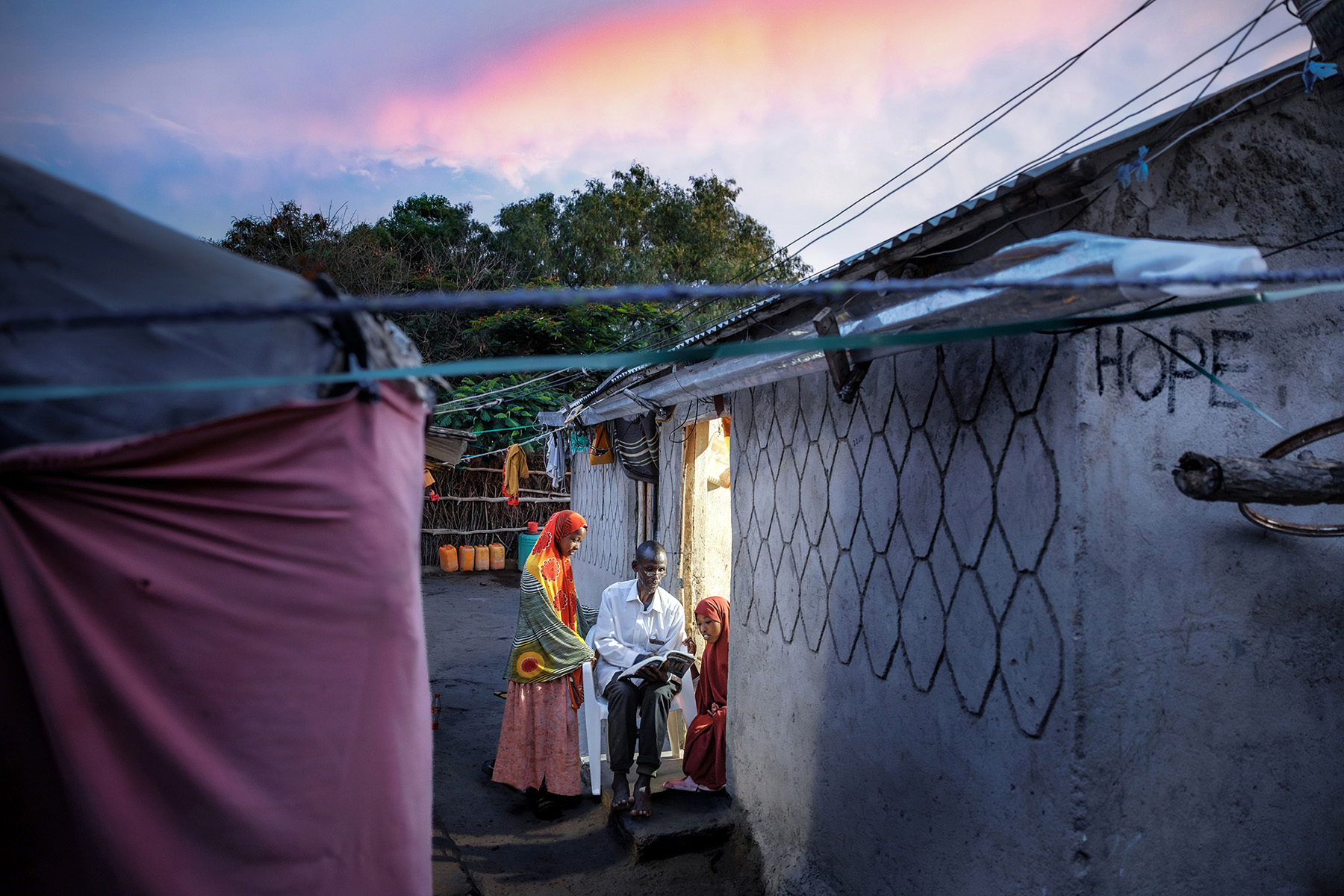
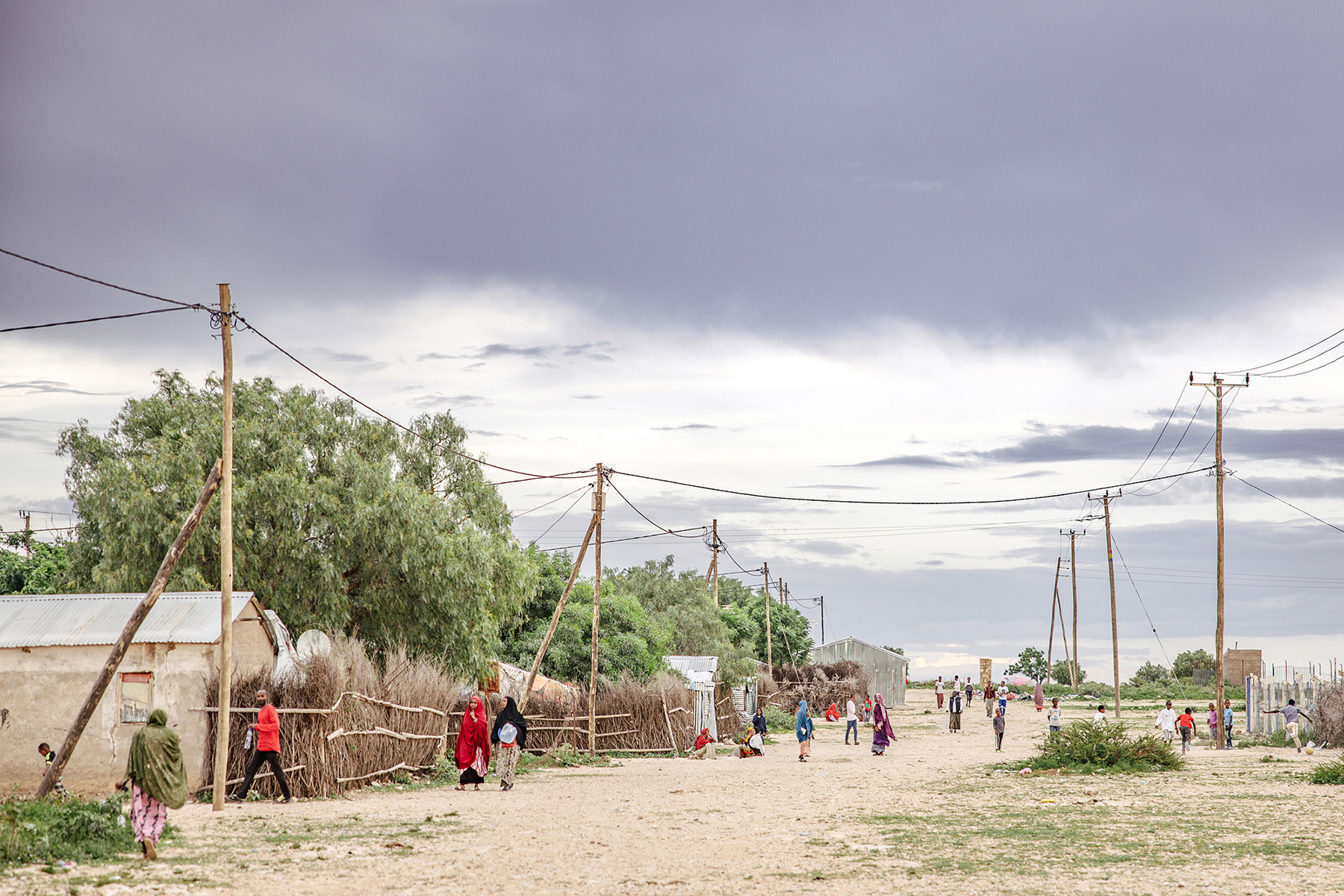
11.05.2024, Sheder refugee camp, Northeastern Fafan Zone in the Somali region of Ethiopia.
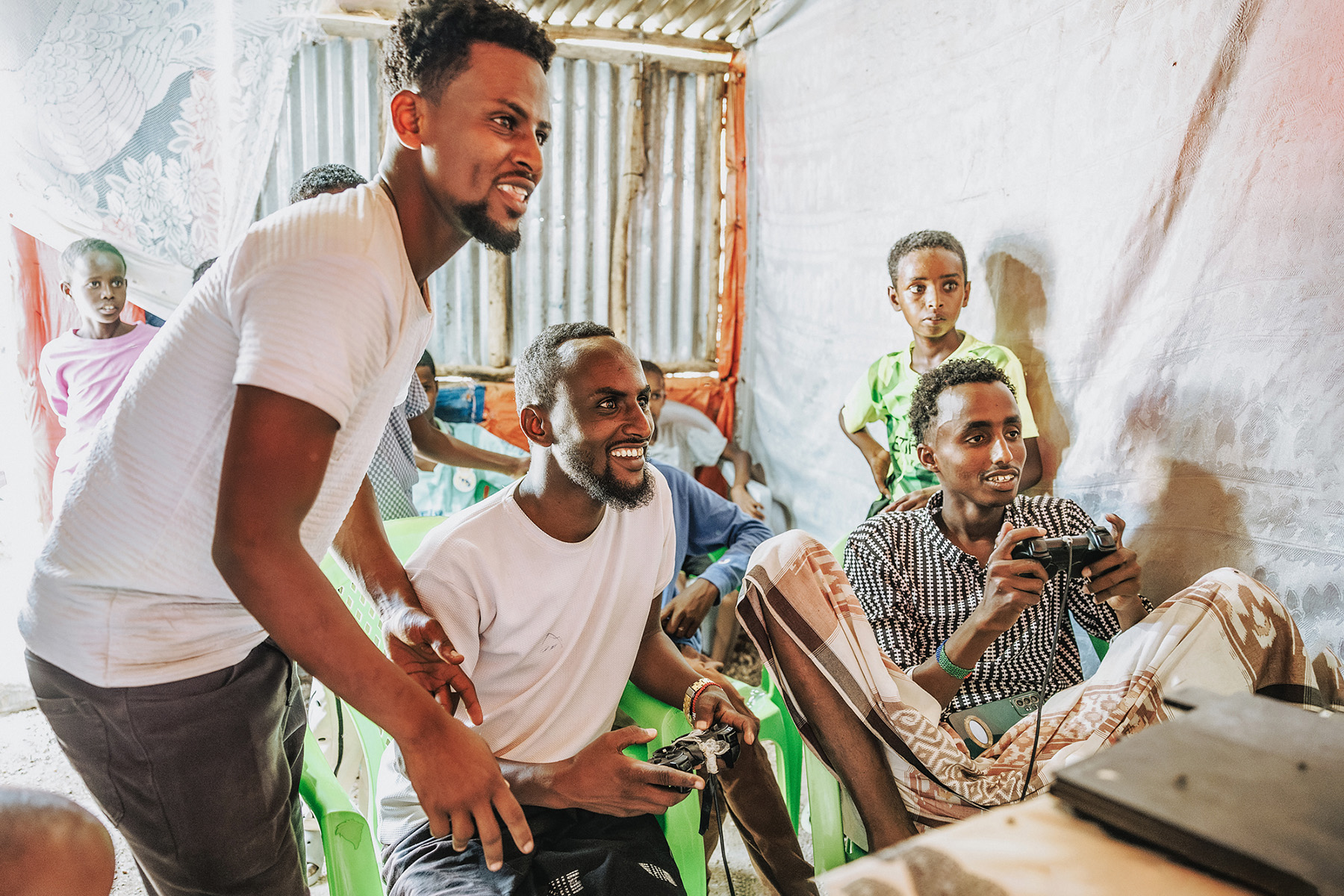
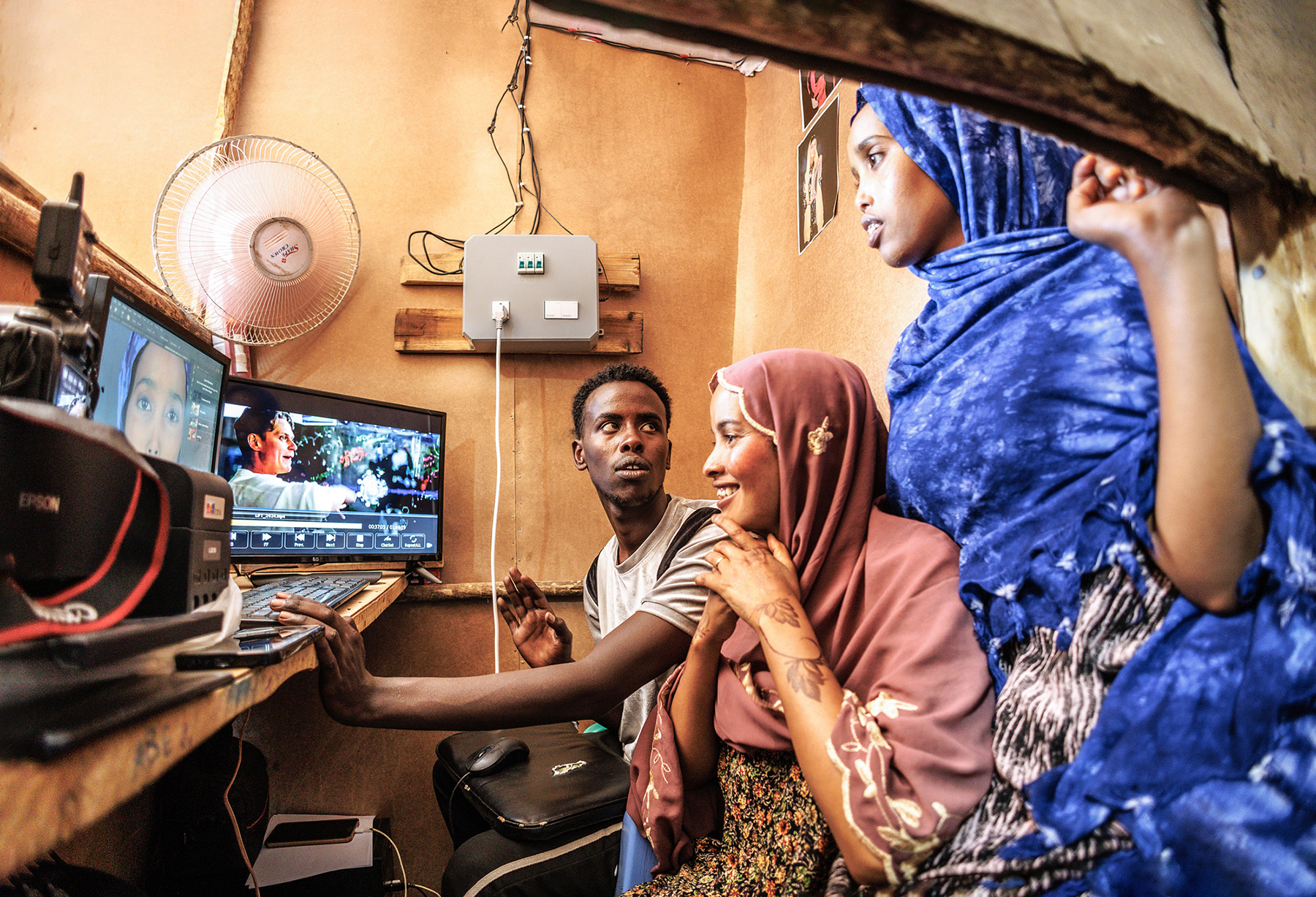
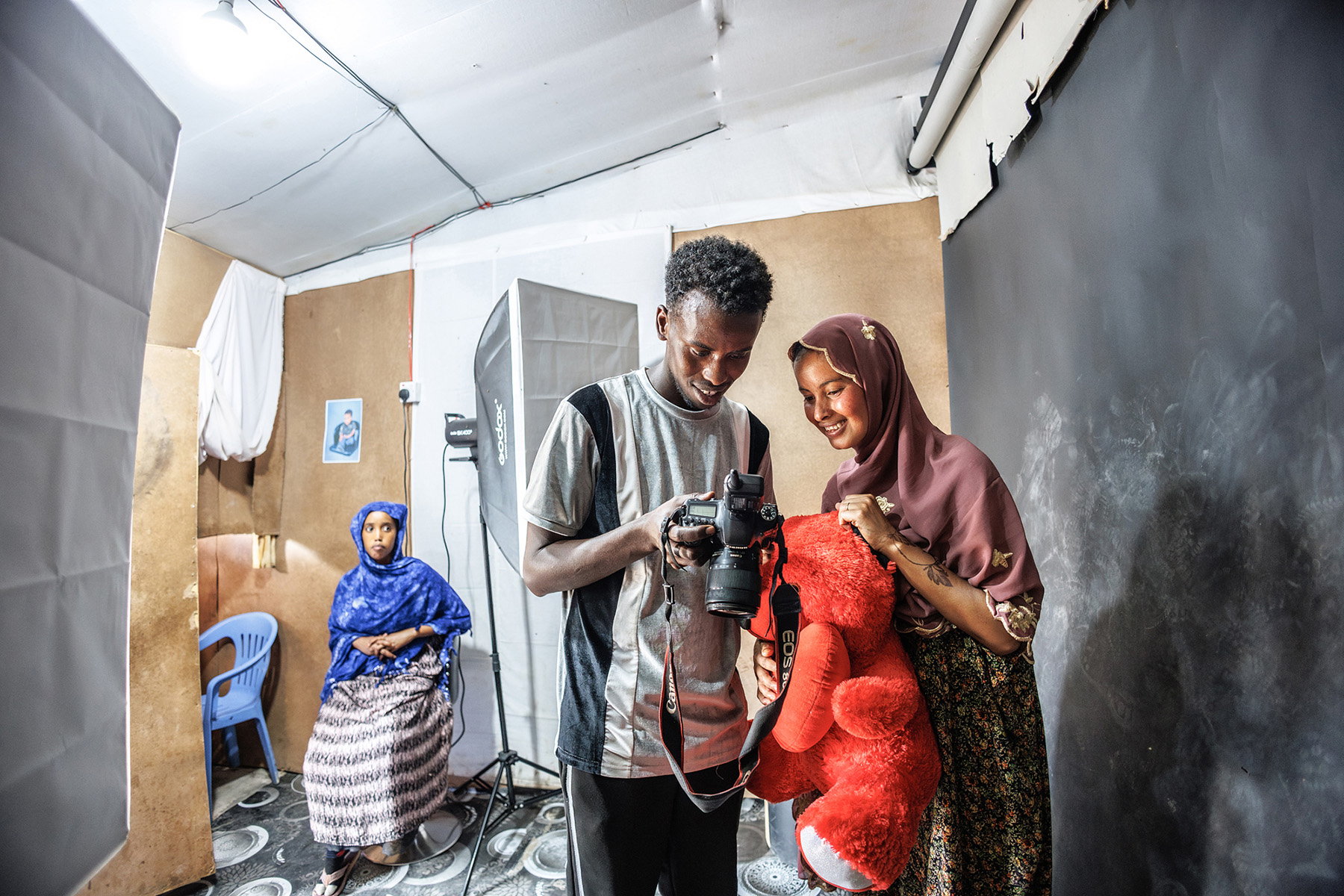
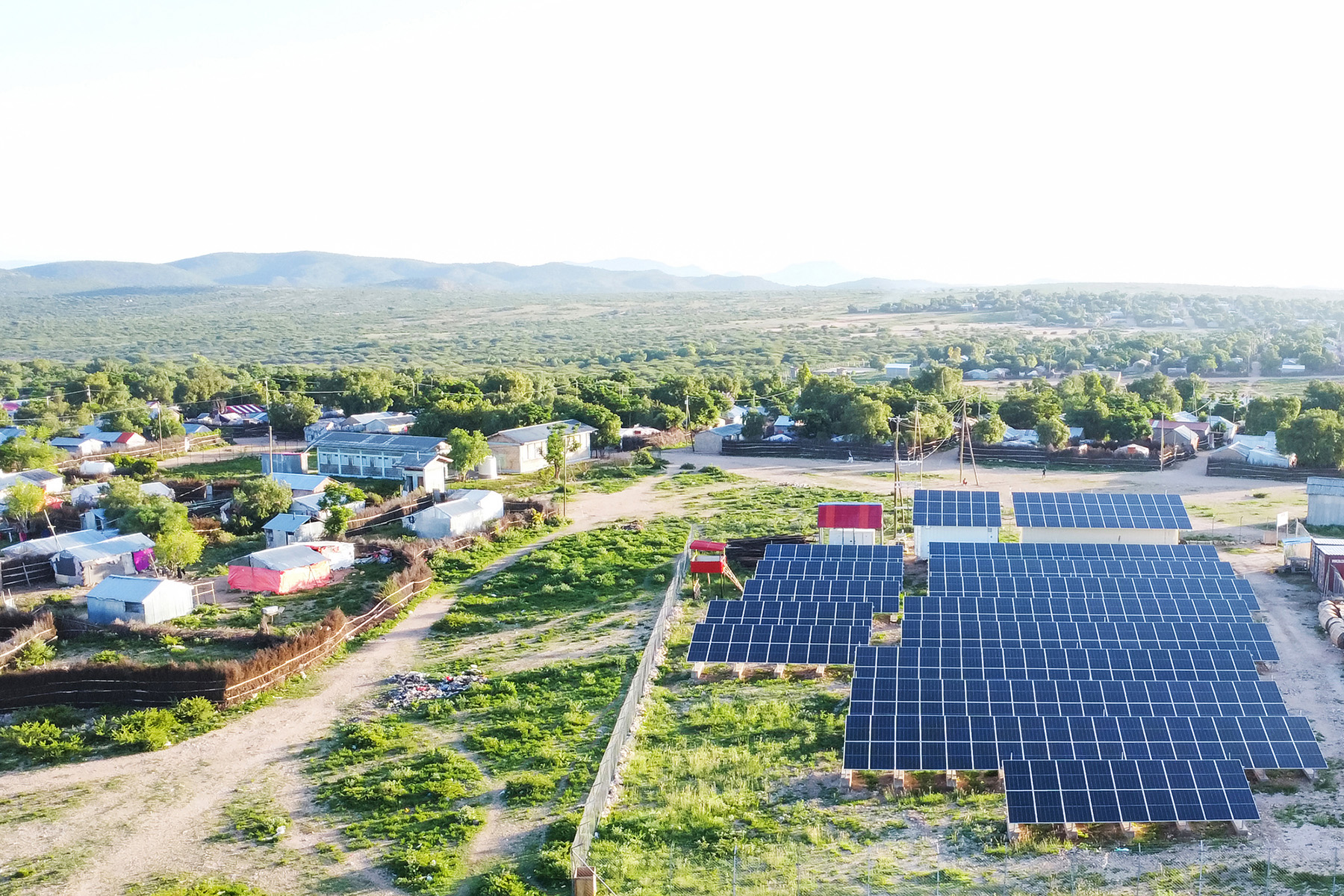
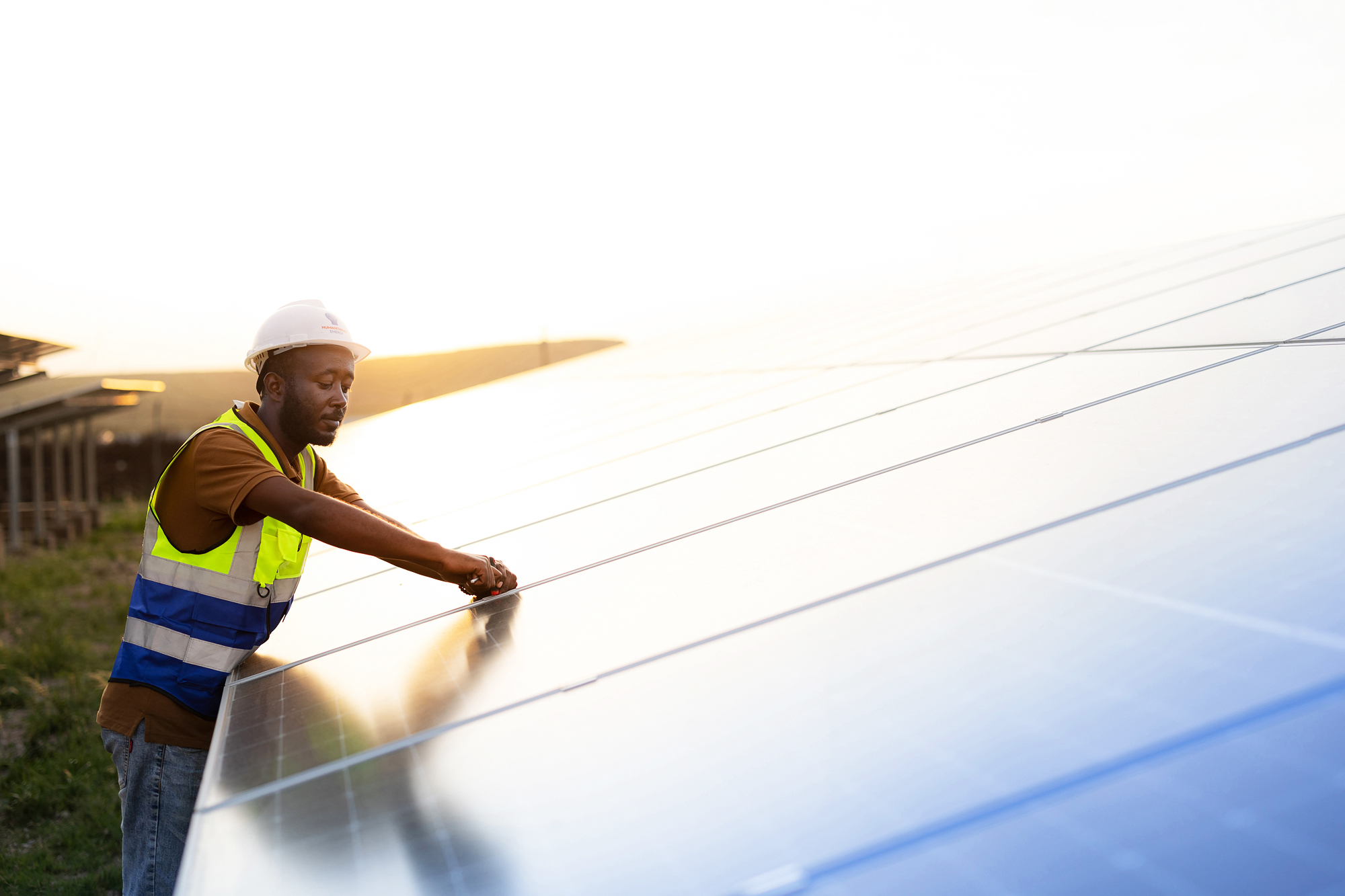
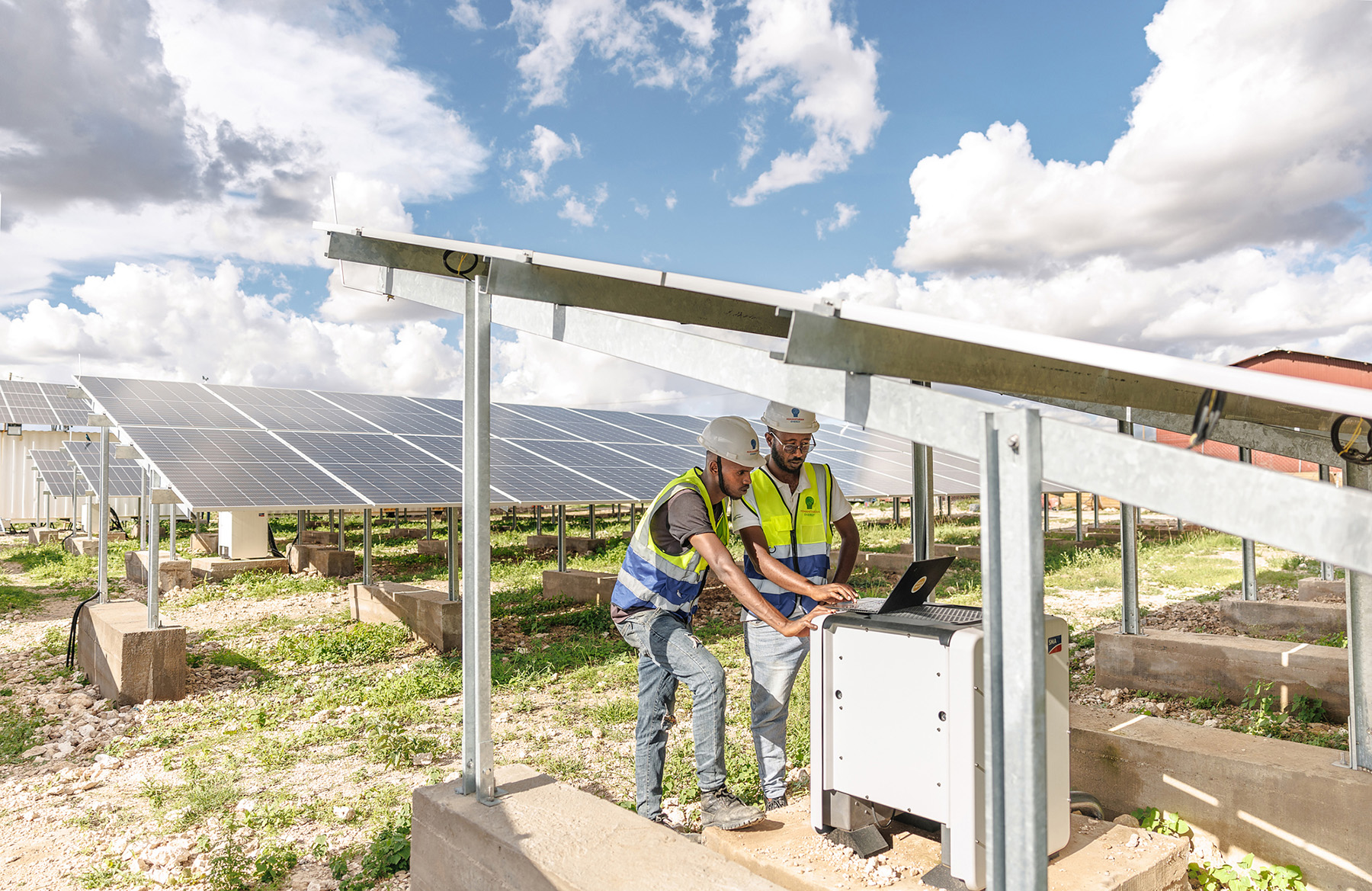
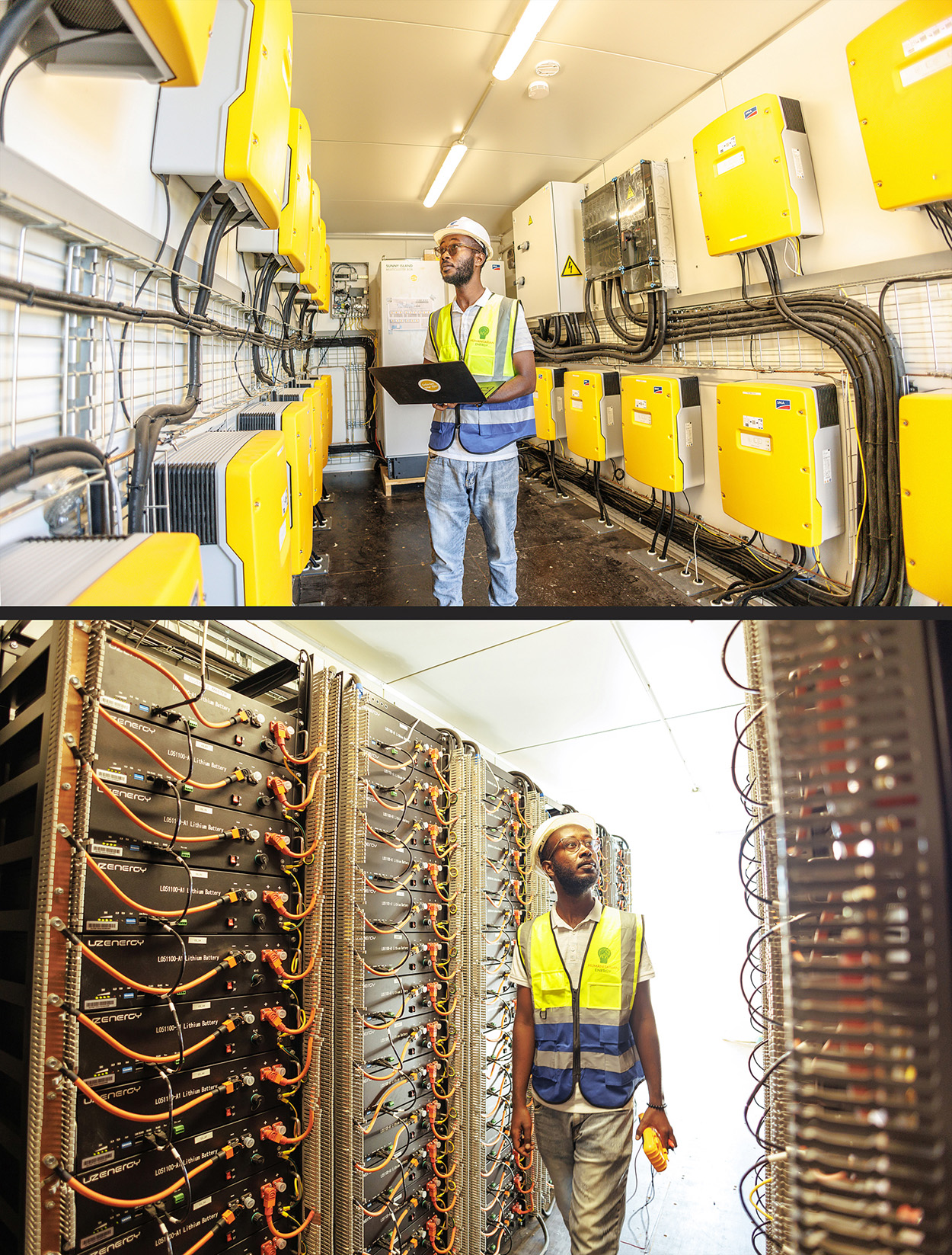
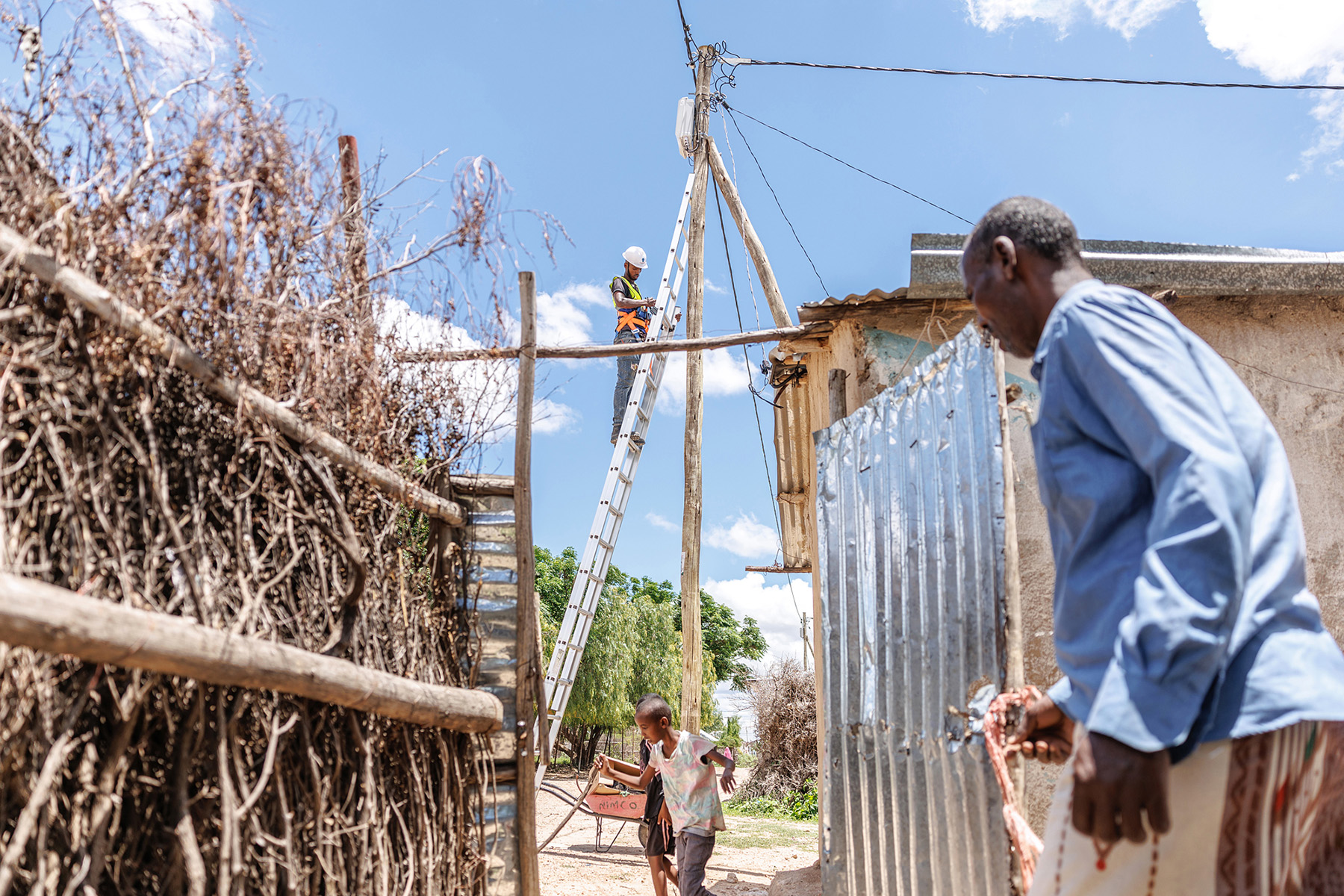
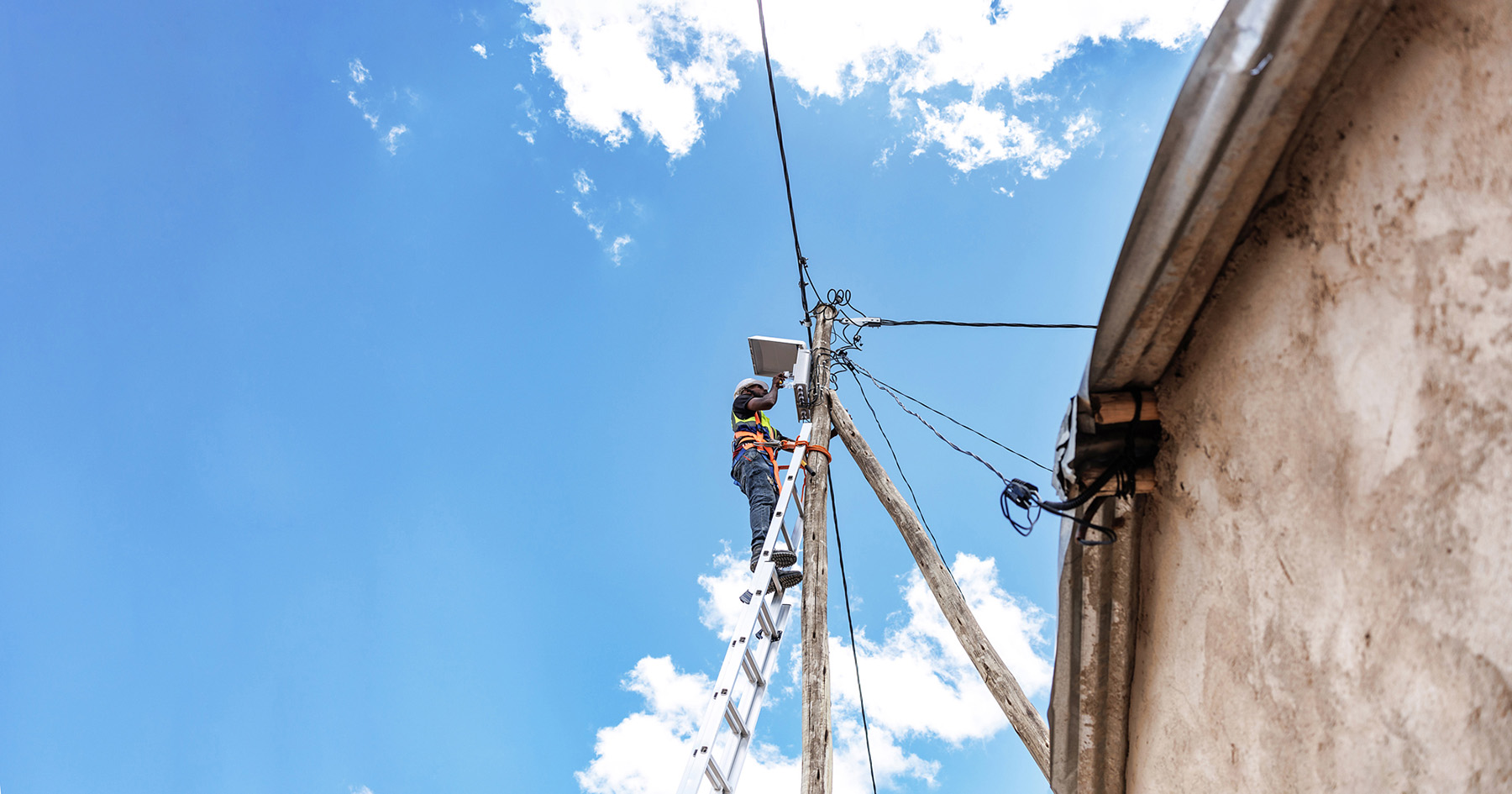
I had traveled here to document a 253 kW solar PV mini-grid, which was installed by Mercy Corps to provide a sustainable power solution to over 1000 households in the camp and the host community.
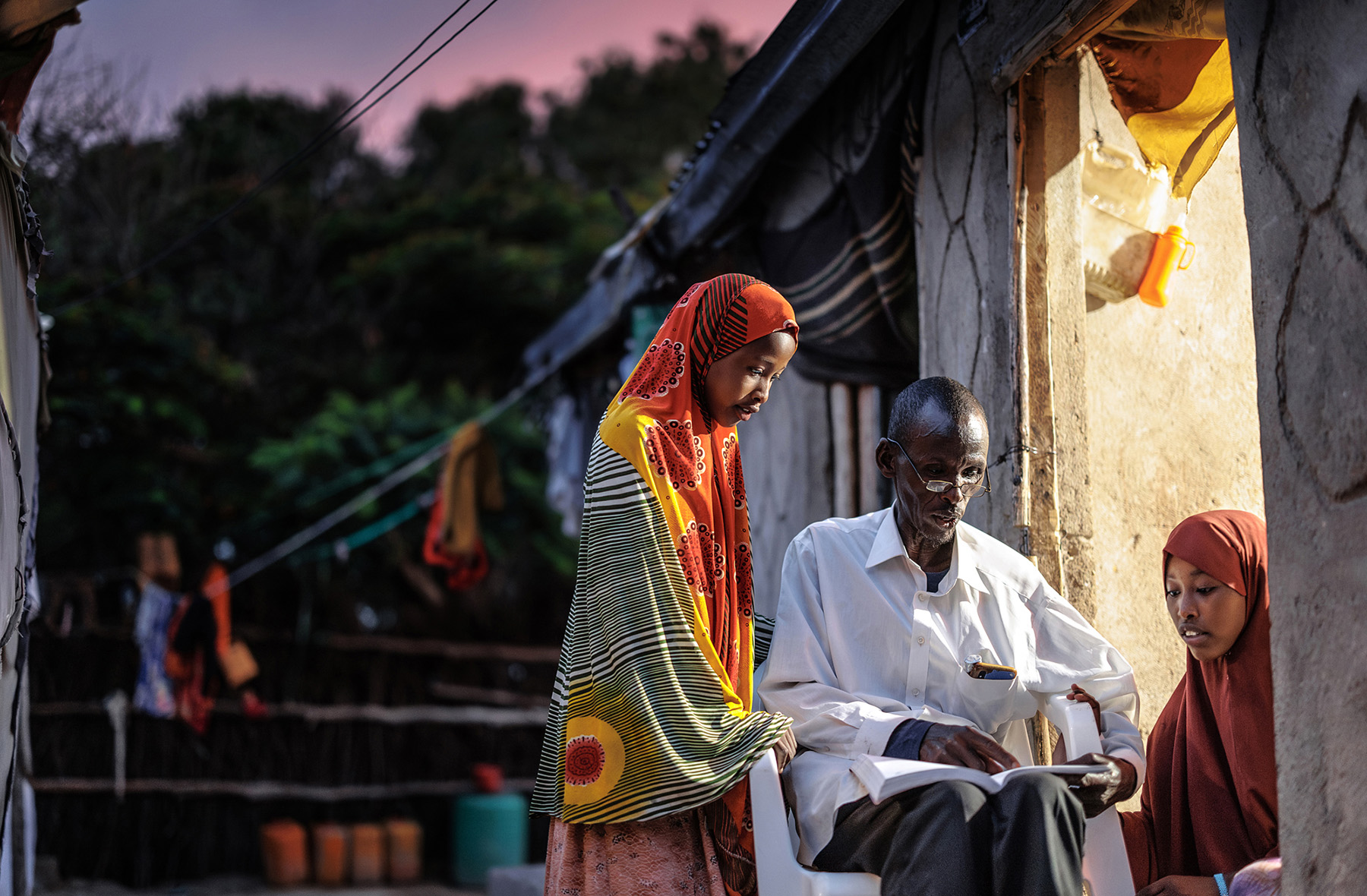
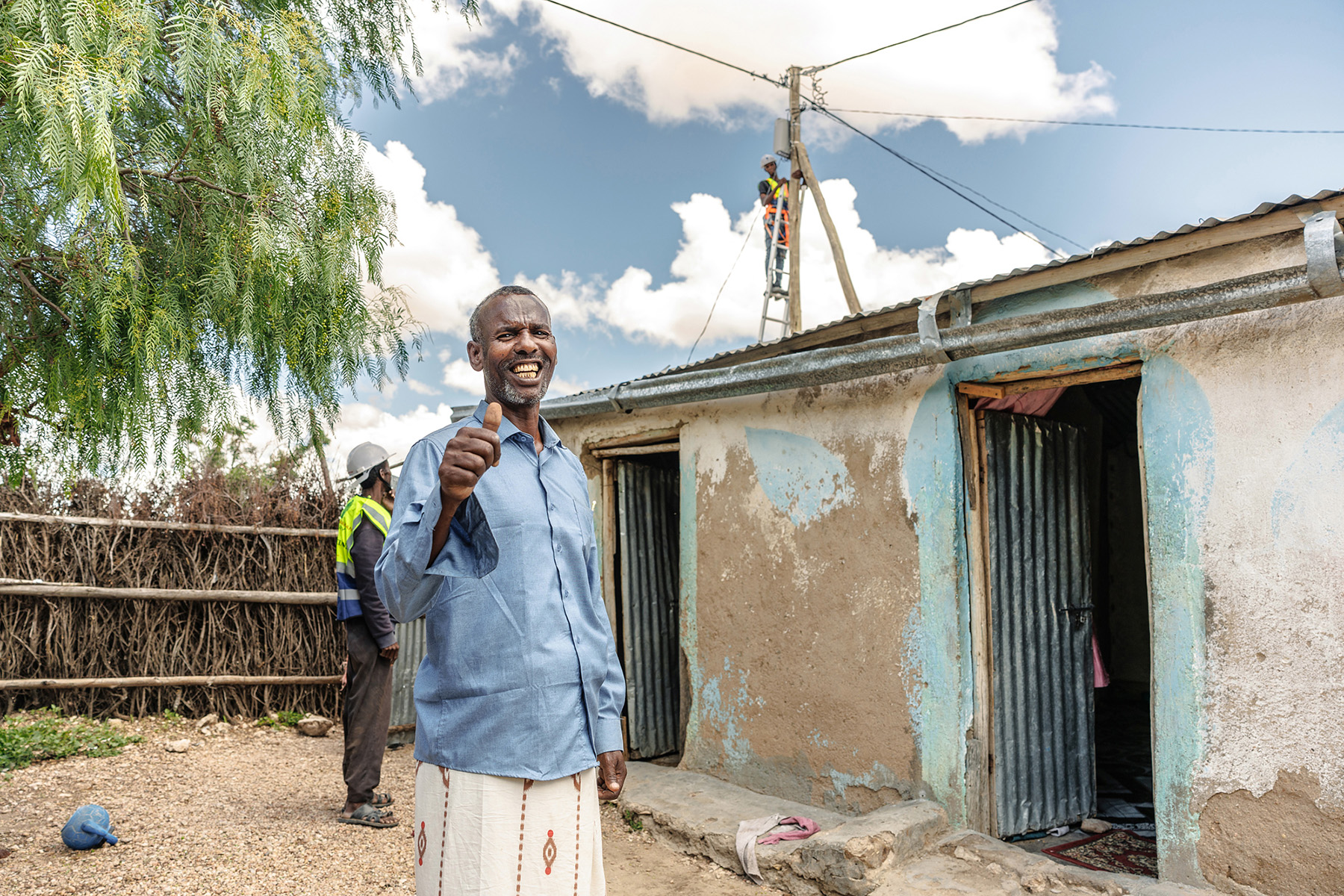
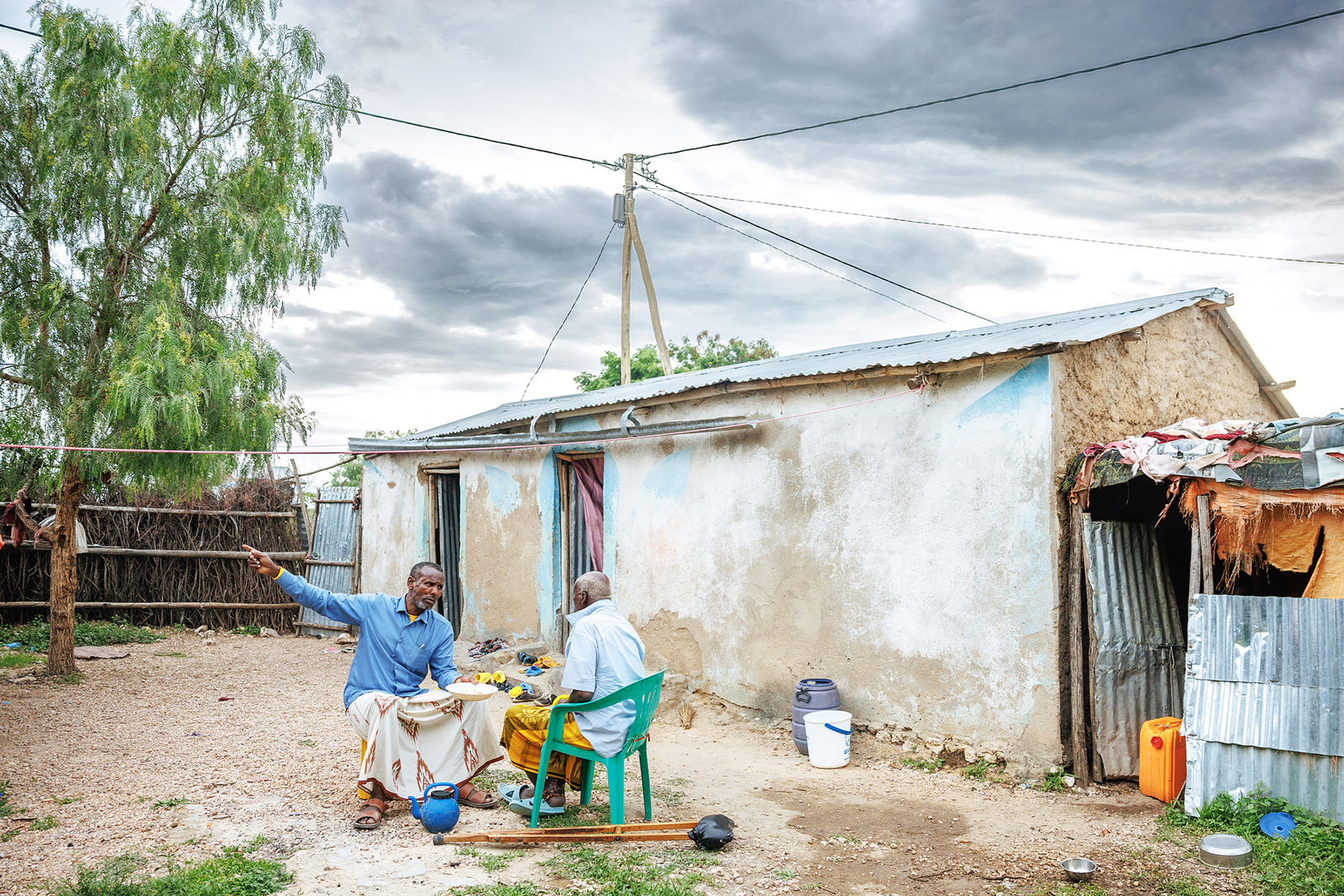
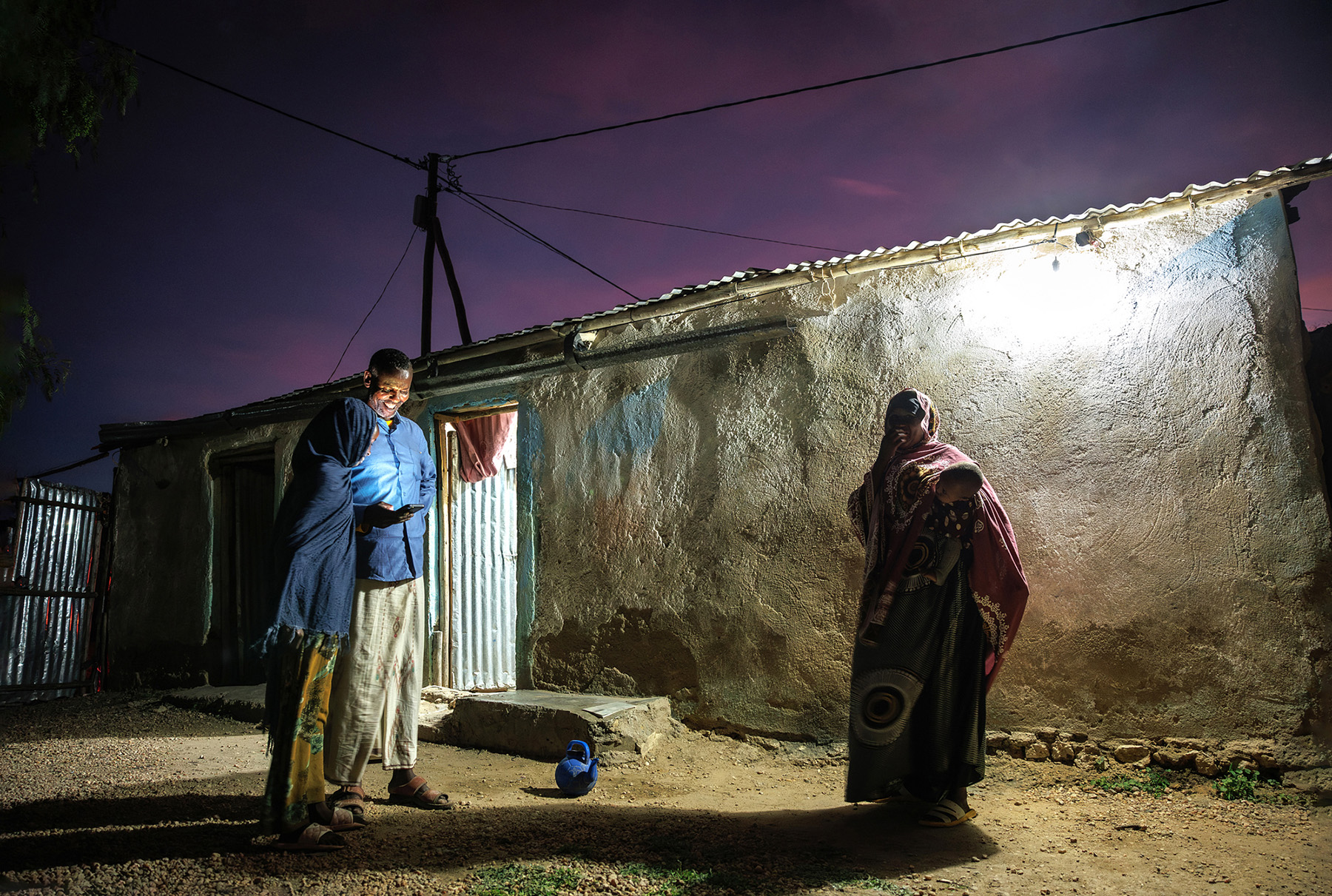
On the evening of the 4th day, I met 58-year-old Muse with one of his daughters at their compound, not far away from the solar plant. The family of 14 fled Somalia because of al-Shabaab and had lived here for more than 10 years.
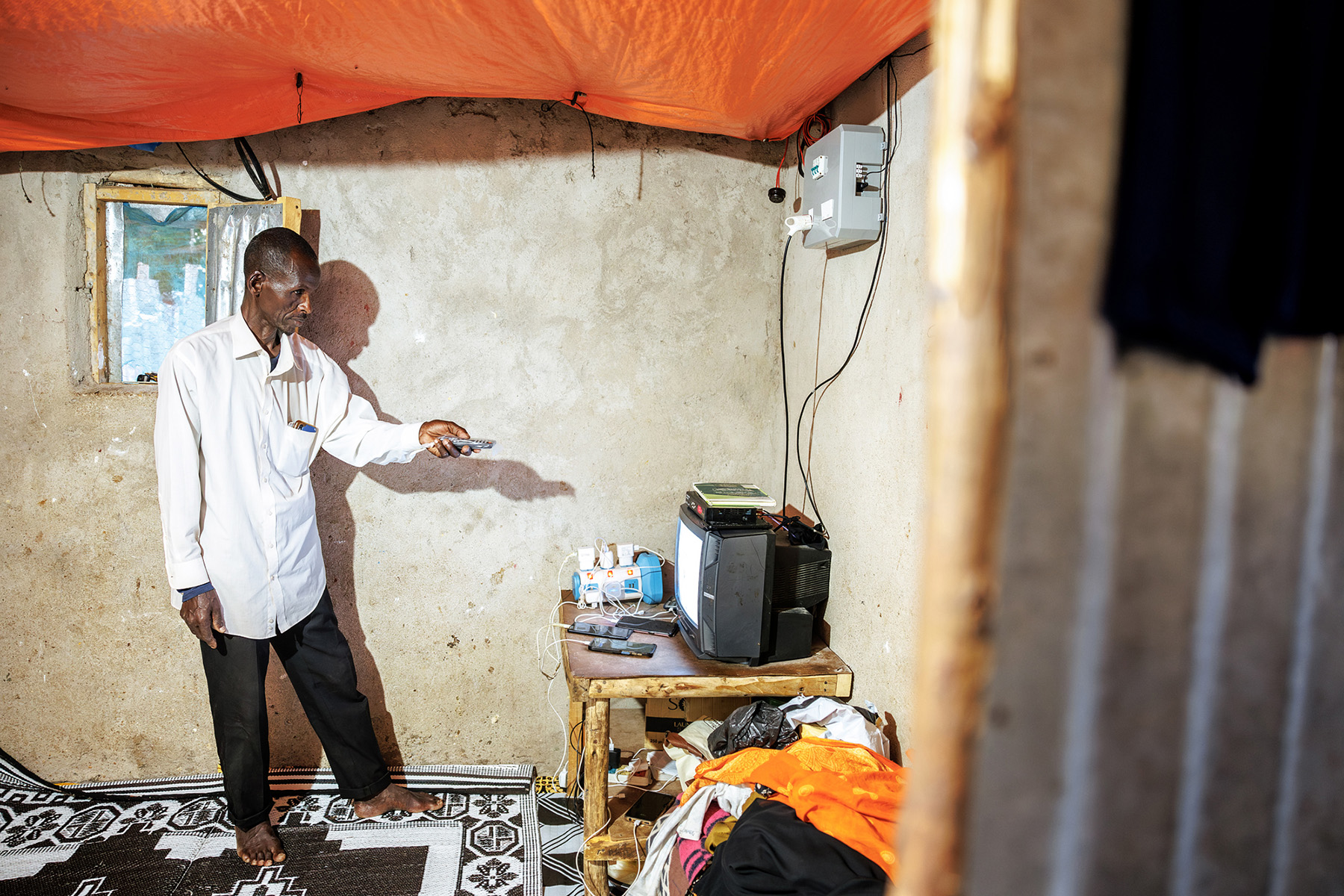
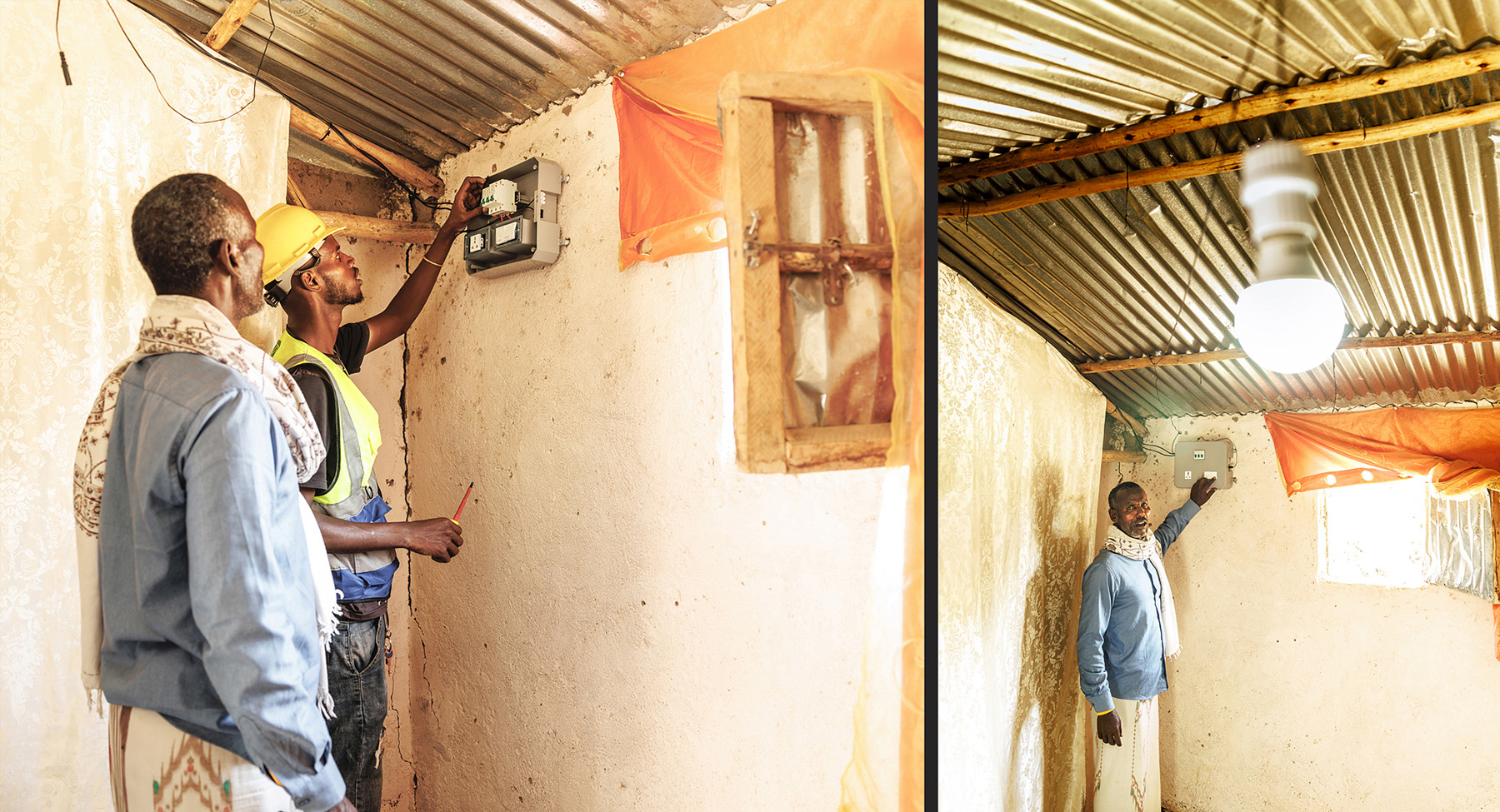
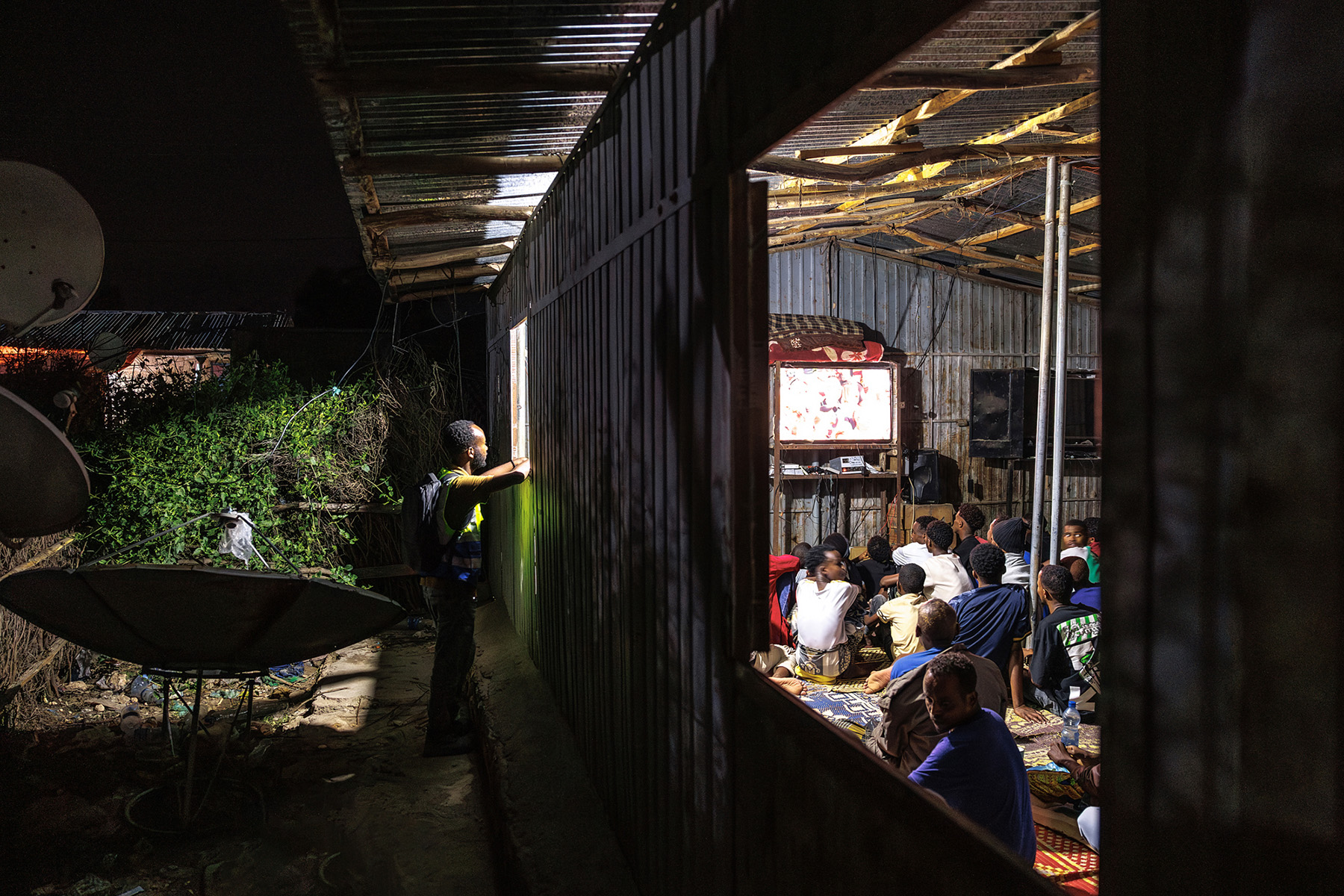
Muse enjoys watching TV for news and entertainment in the comfort of his home, something that was not possible just a few months ago when they relied on diesel generators that offered limited operational hours at even higher costs.
Muse’s situation in Sheder Refugee Camp highlighted challenges faced by displaced populations regarding access to reliable energy sources, especially in the context of long-term displacement. Now, he enjoys the convenience of charging his smartphone at his home.
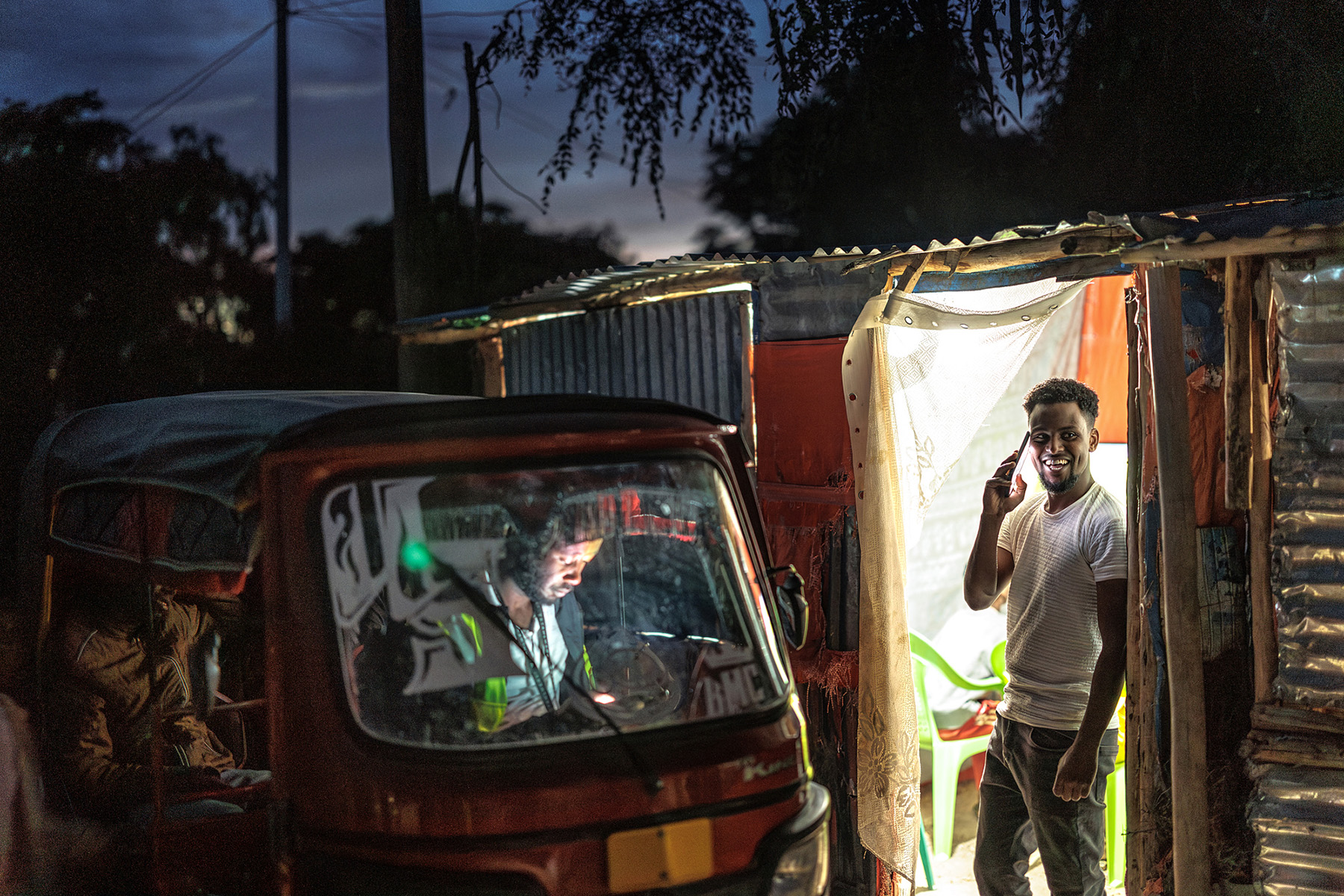
The situation in Sheder Refugee Camp highlights the significant challenges faced by displaced populations regarding access to reliable energy sources. The previous reliance on diesel generators not only caused economic strain and limited operational hours but also contributed to environmental pollution. This was detrimental to small businesses and overall quality of life.
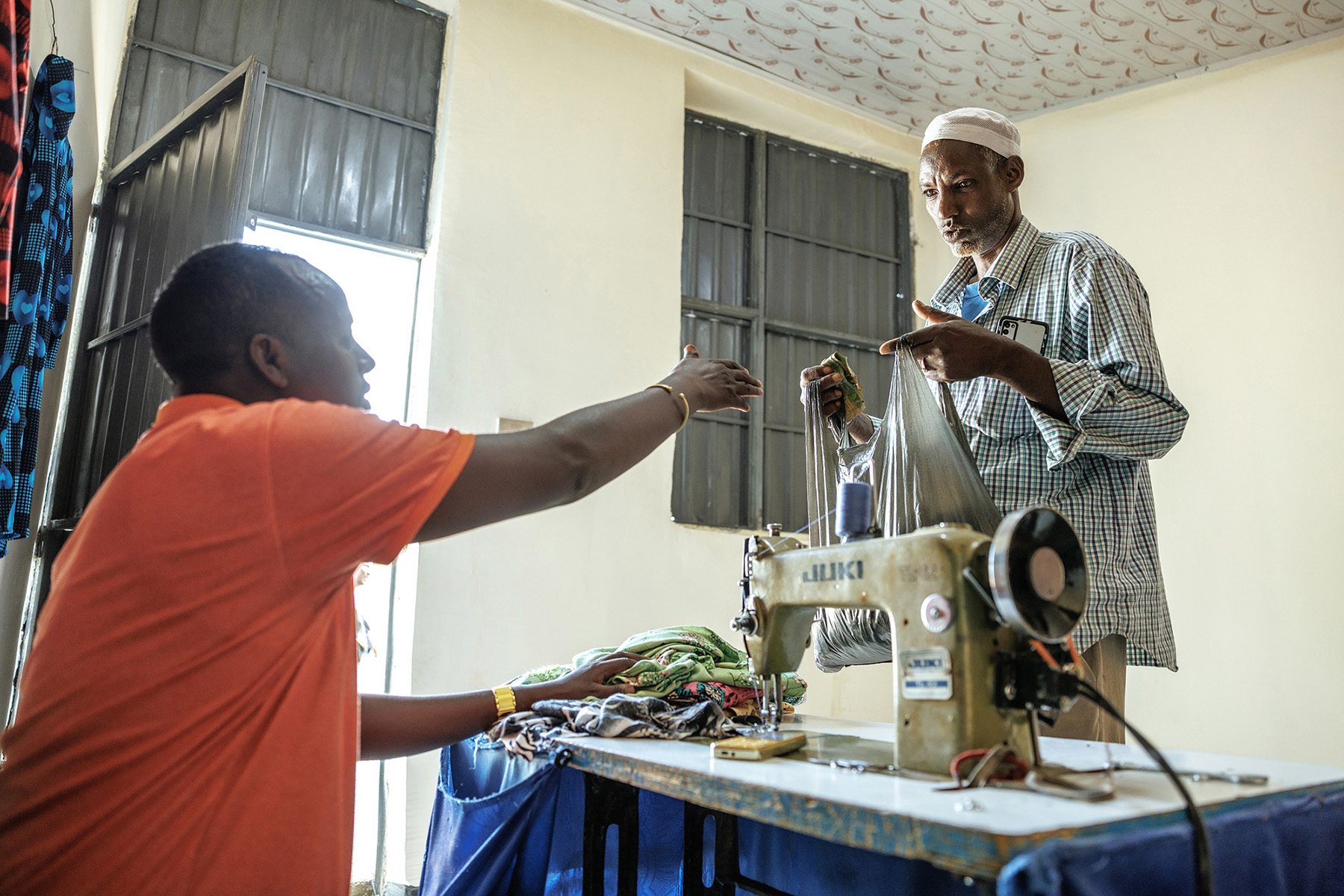
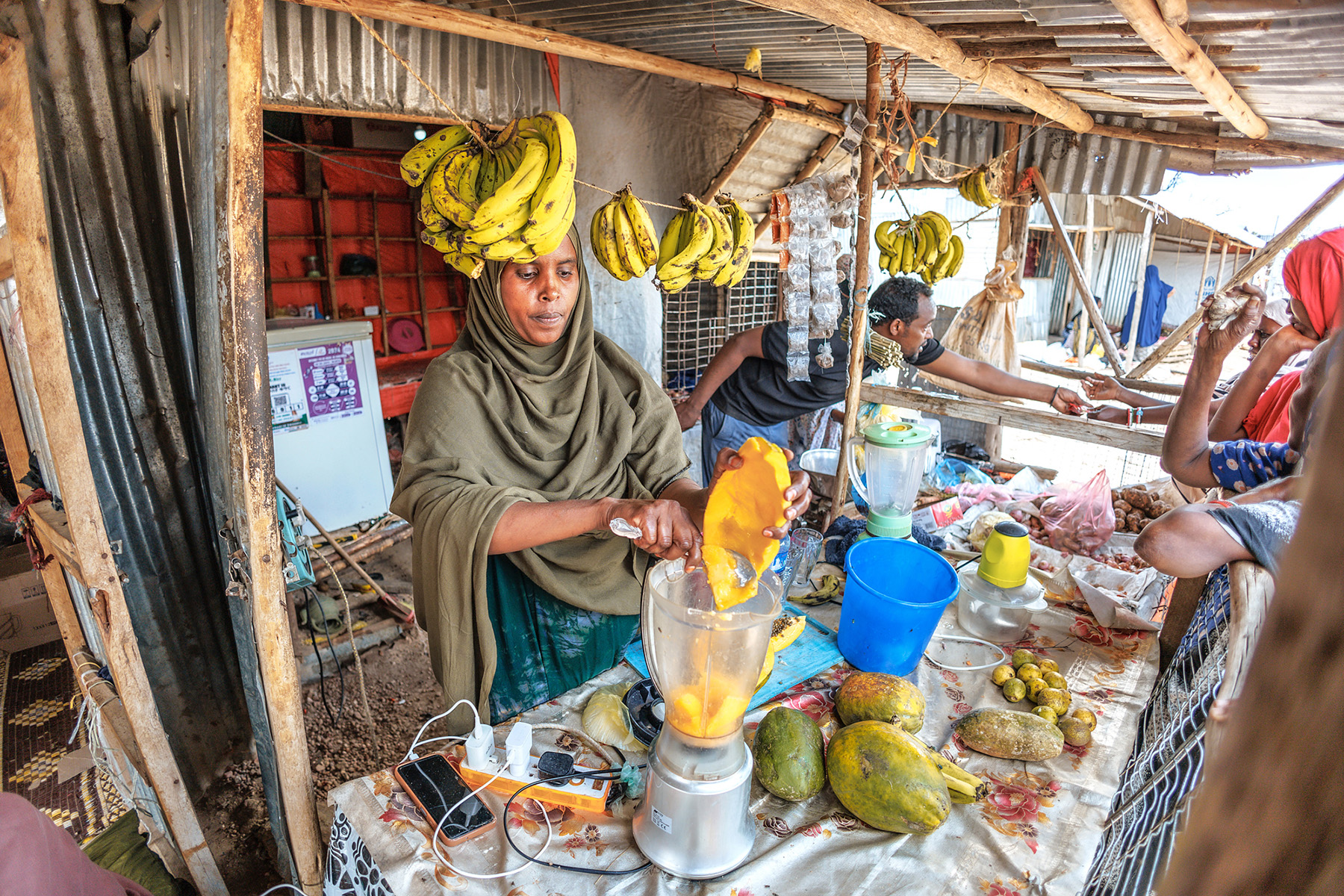
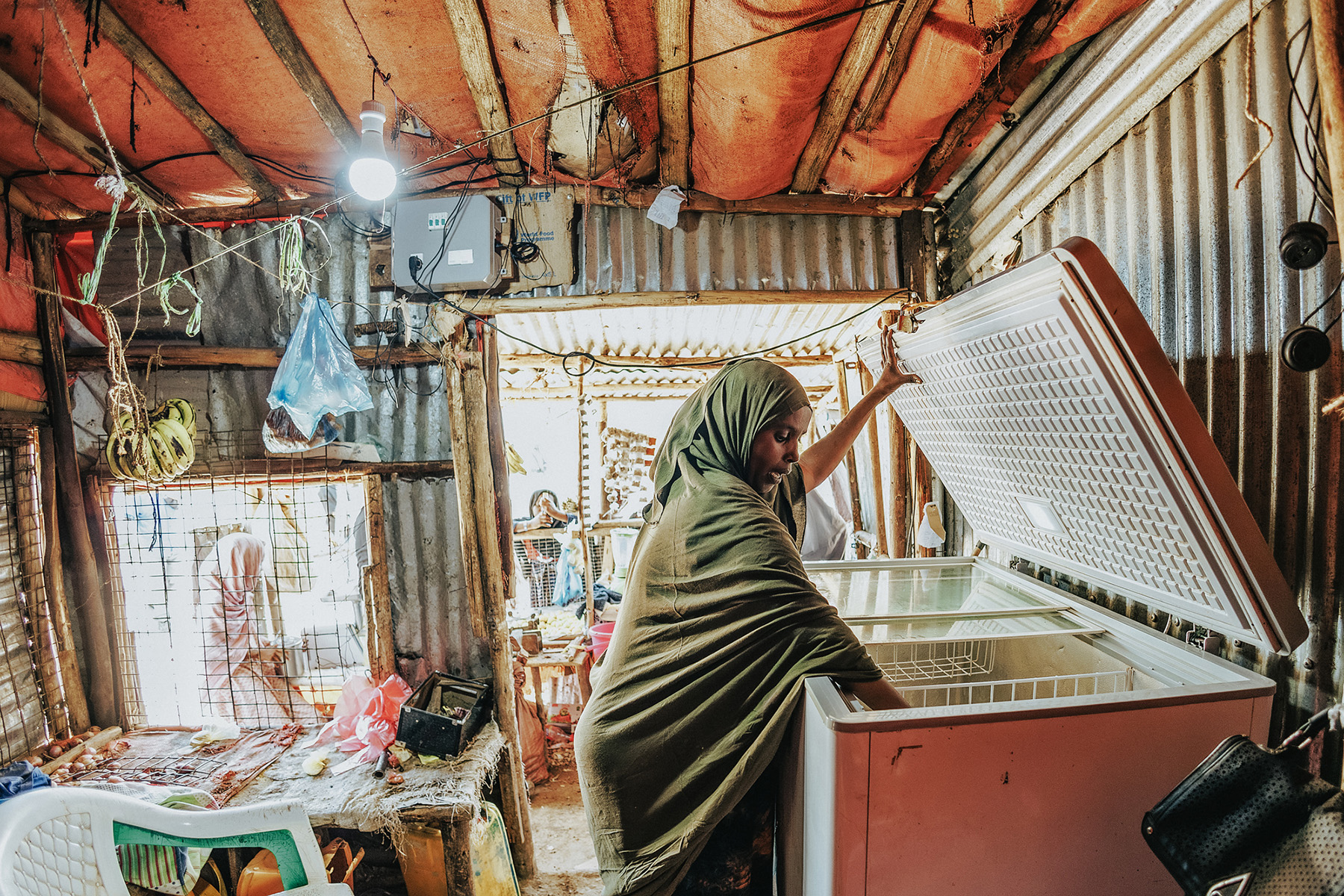
With Ethiopia being home to millions of displaced individuals and a lack of consistent access to energy, it’s clear that innovative solutions are needed urgently. The Enter Energy initiative by Mercy Corps, particularly through the establishment of Humanitarian Energy PLC, represents an important step toward addressing these challenges. By implementing a 253 kWp solar PV mini-grid, the initiative provides a sustainable solution that is both cost-effective and environmentally friendly, offering a continuous energy supply to over 1,000 households at half the cost of what they used to pay for two hours of diesel-powered electricity.
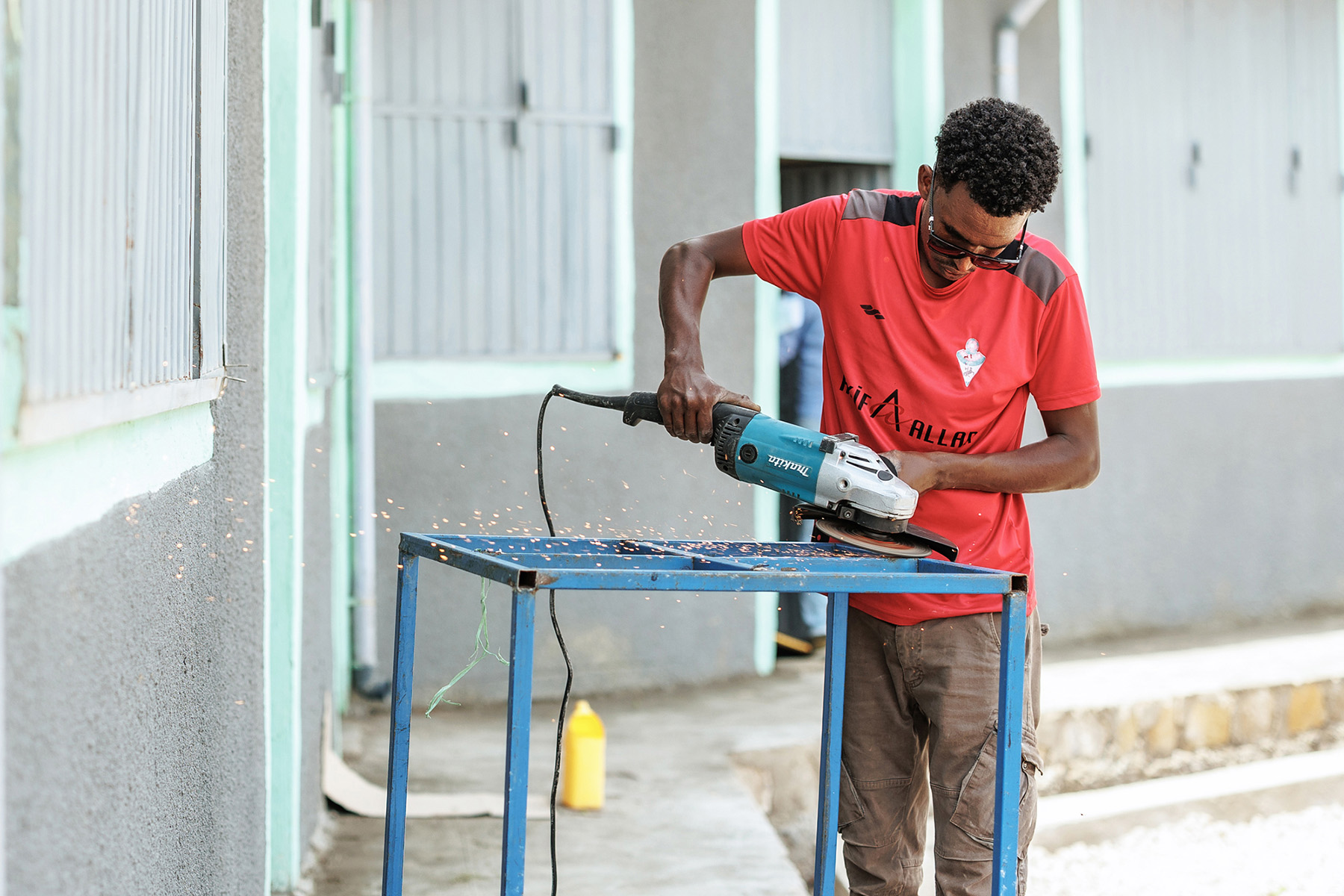
This model not only meets immediate energy needs but also bolsters economic opportunities for families and businesses, enhancing resilience in the context of long-term displacement. It also showcases how public-private partnerships can effectively address energy challenges in humanitarian settings, paving the way for similar initiatives in other regions facing comparable circumstances.