projects The Rendille of Korr
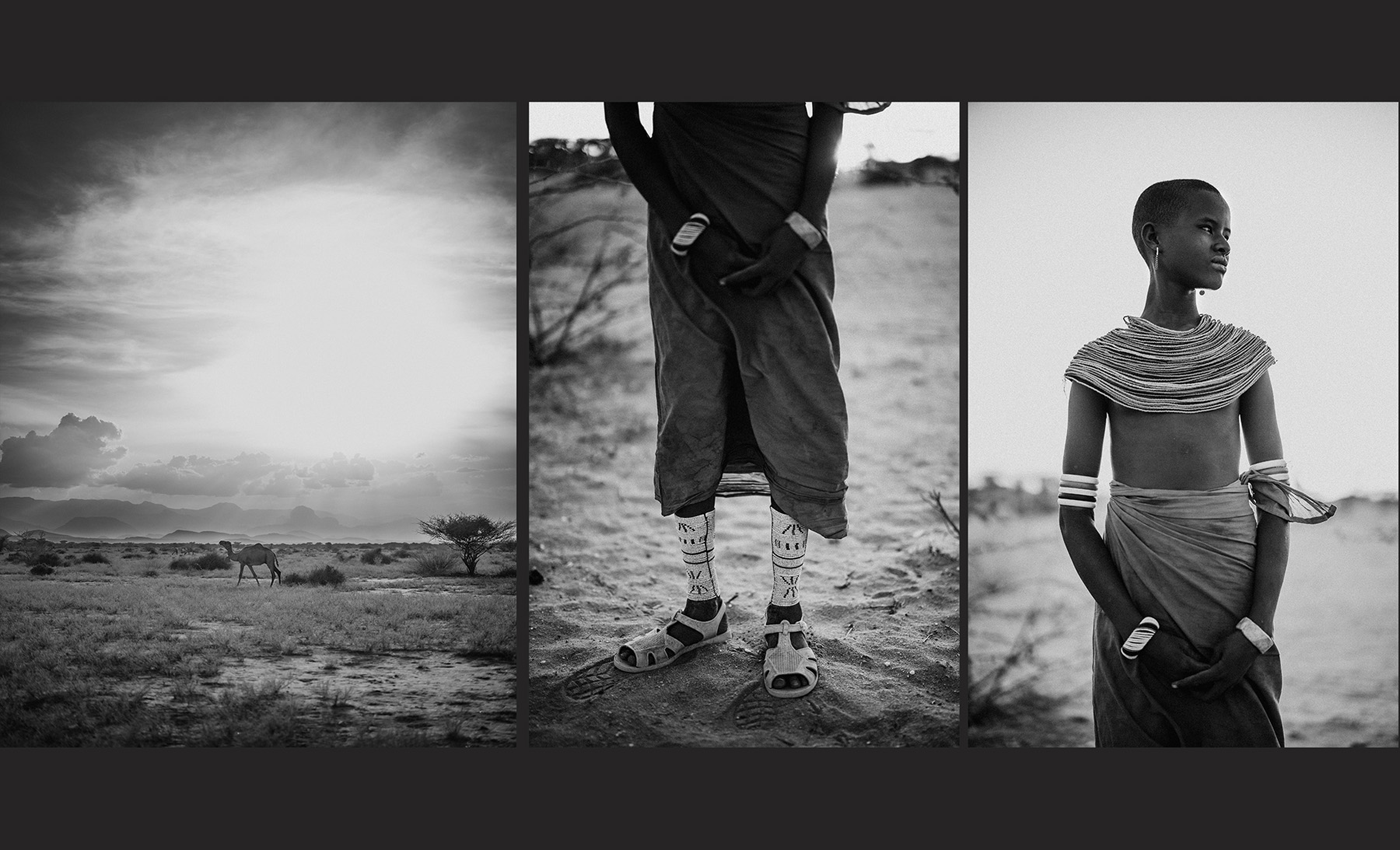
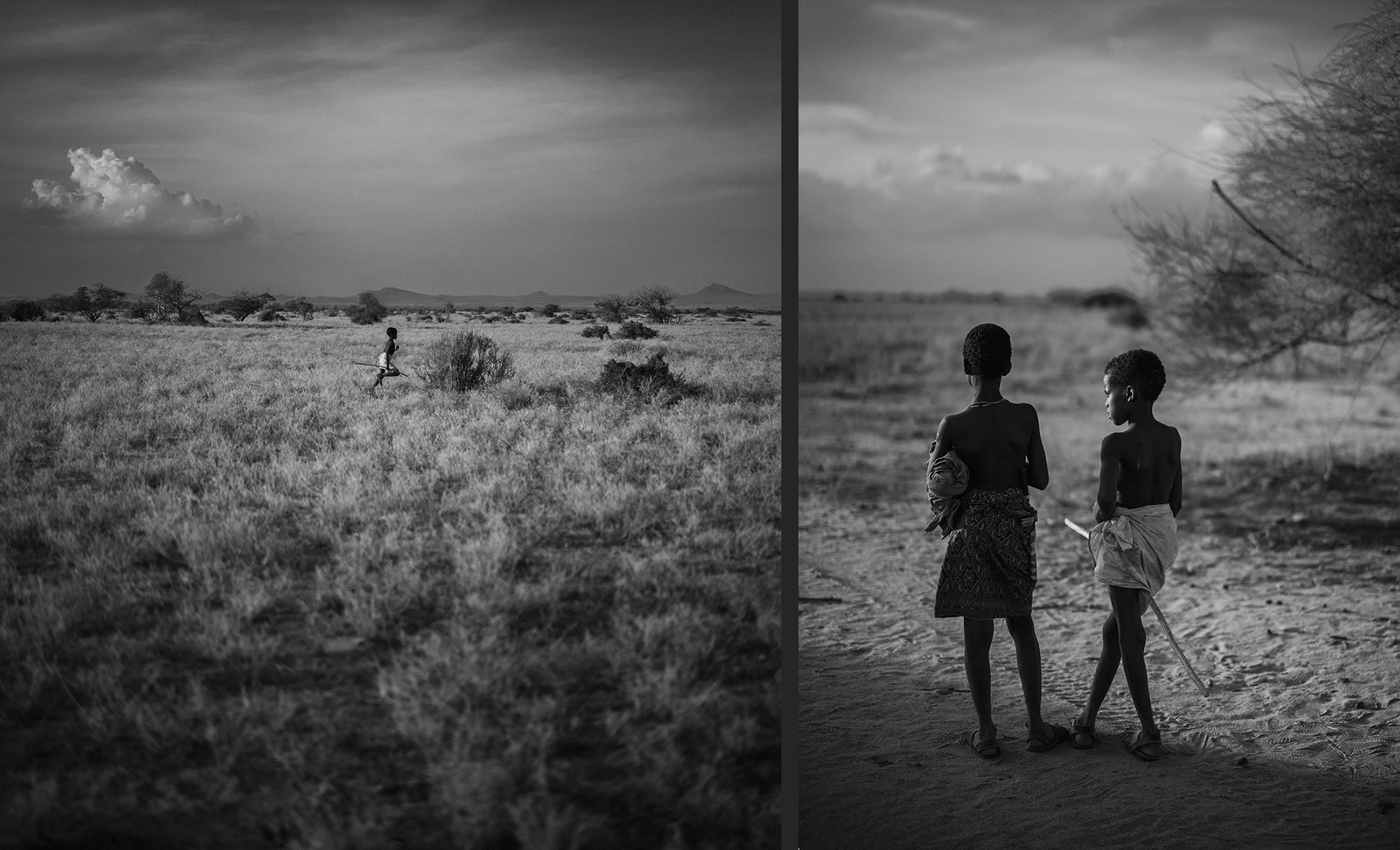
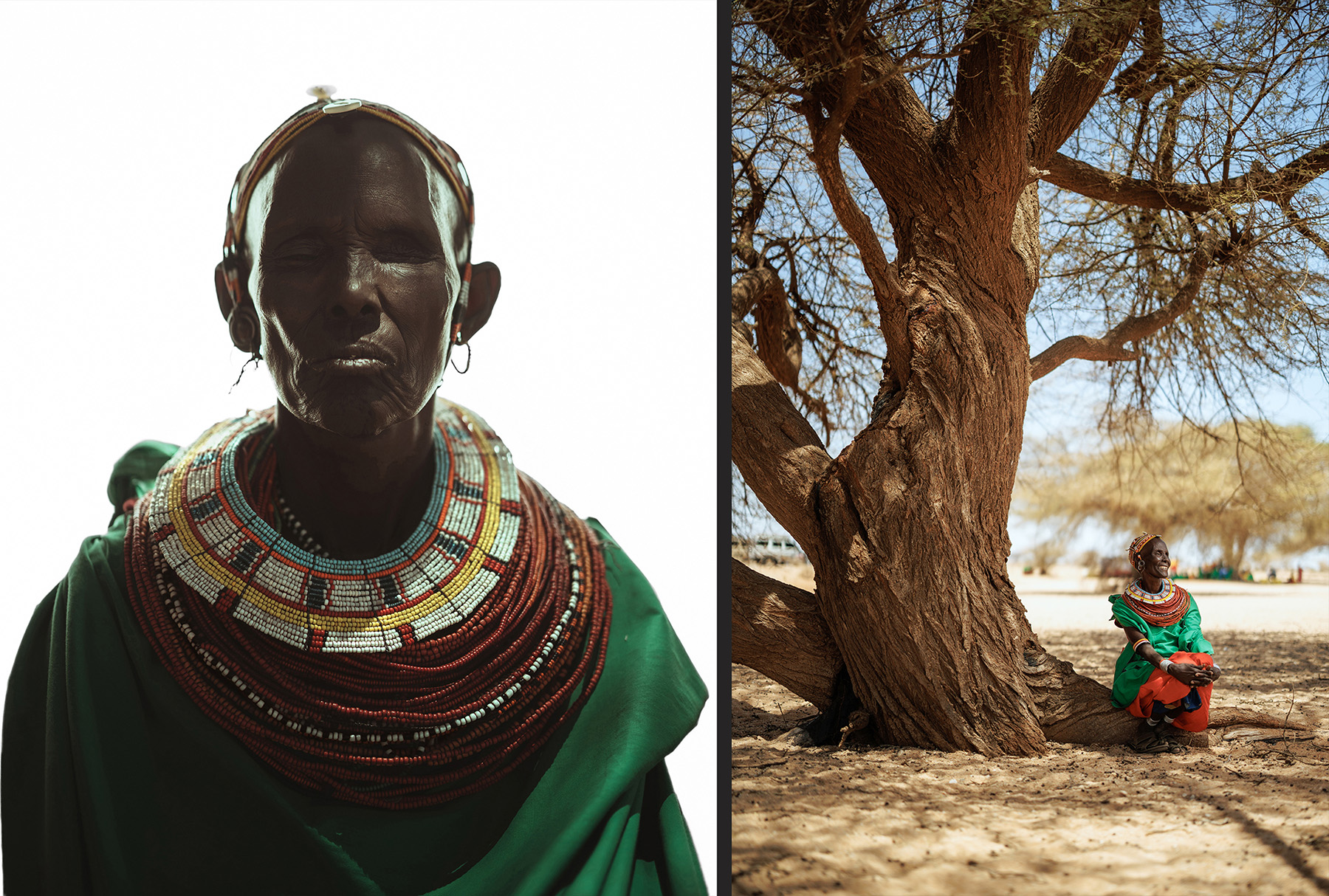
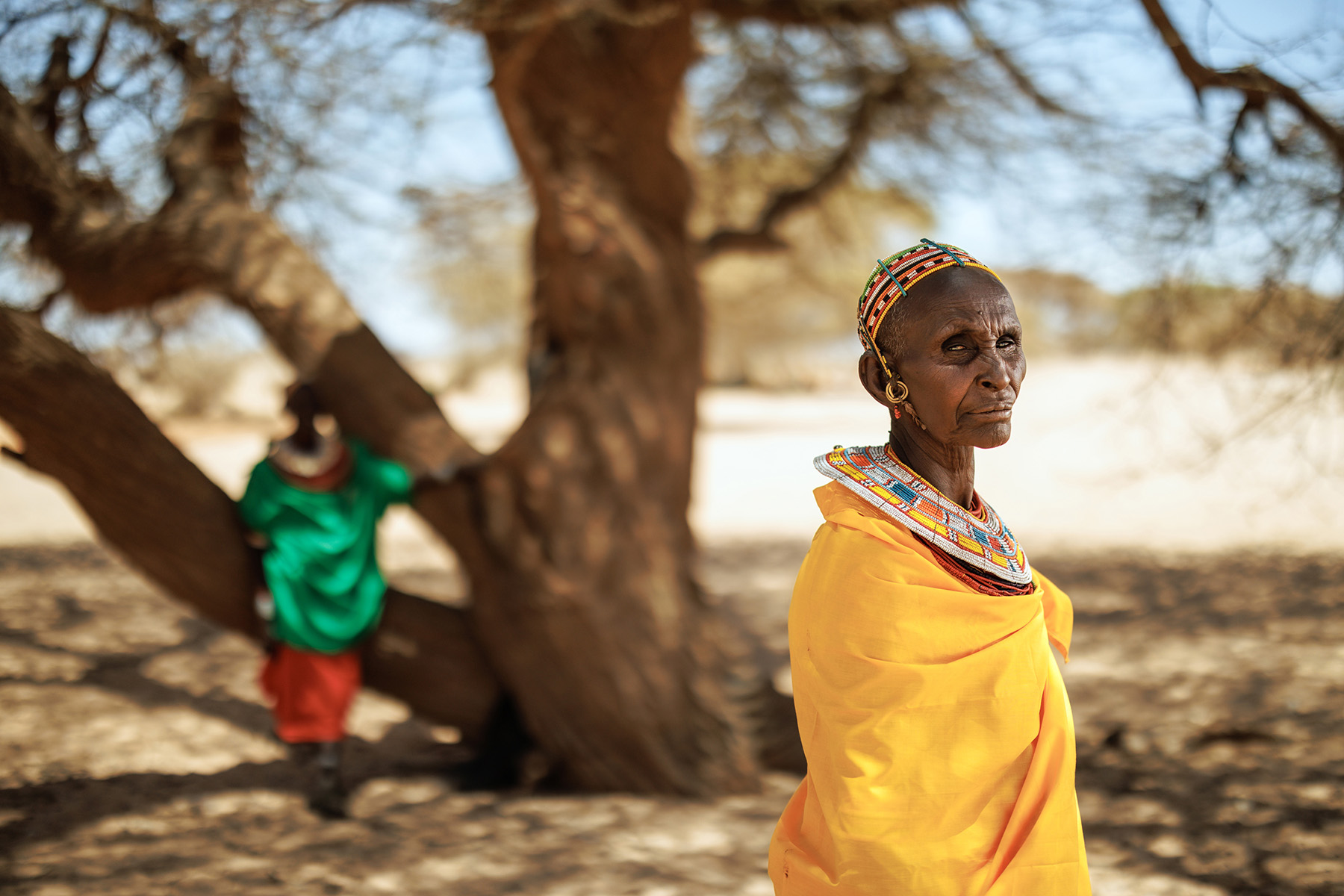
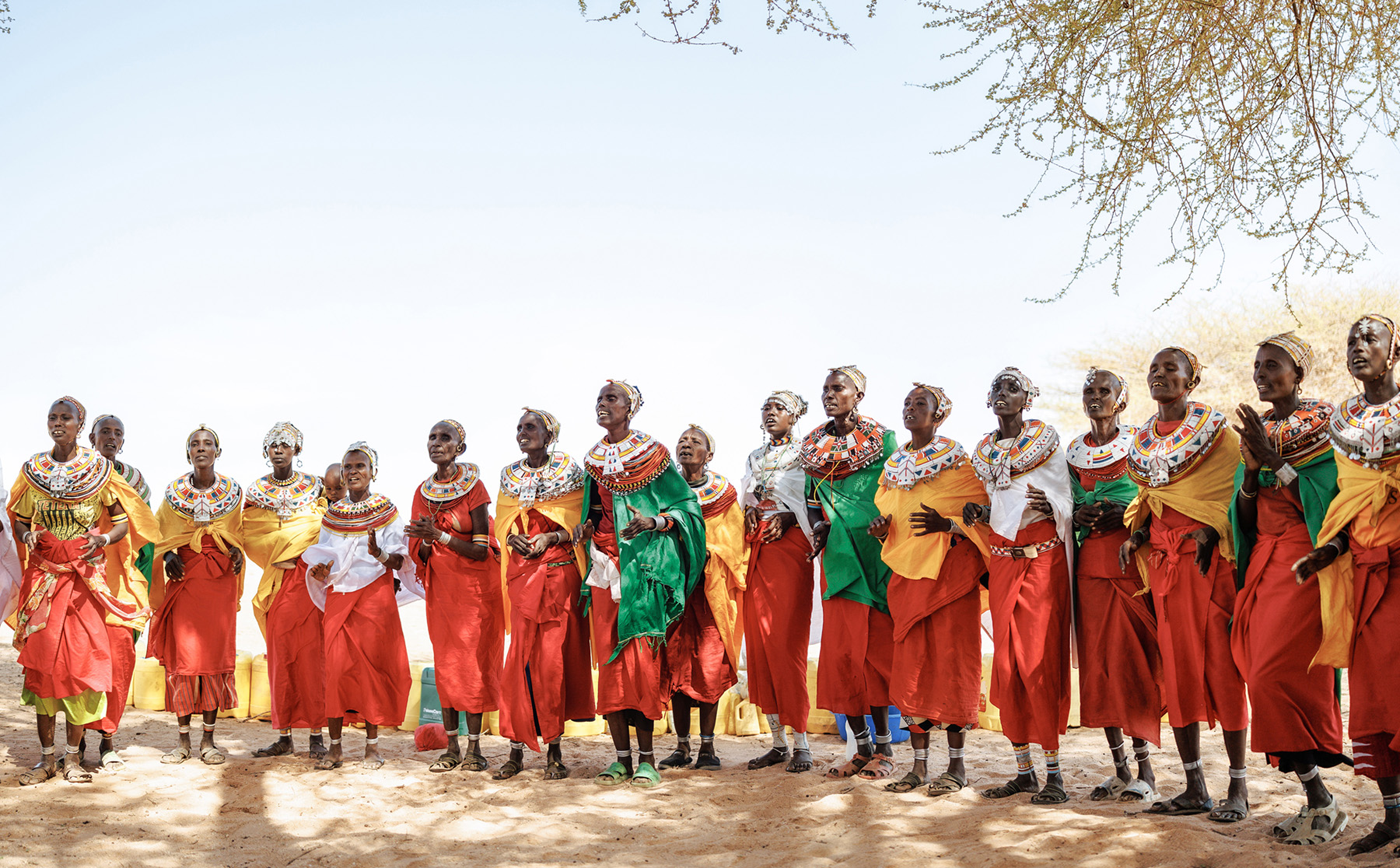
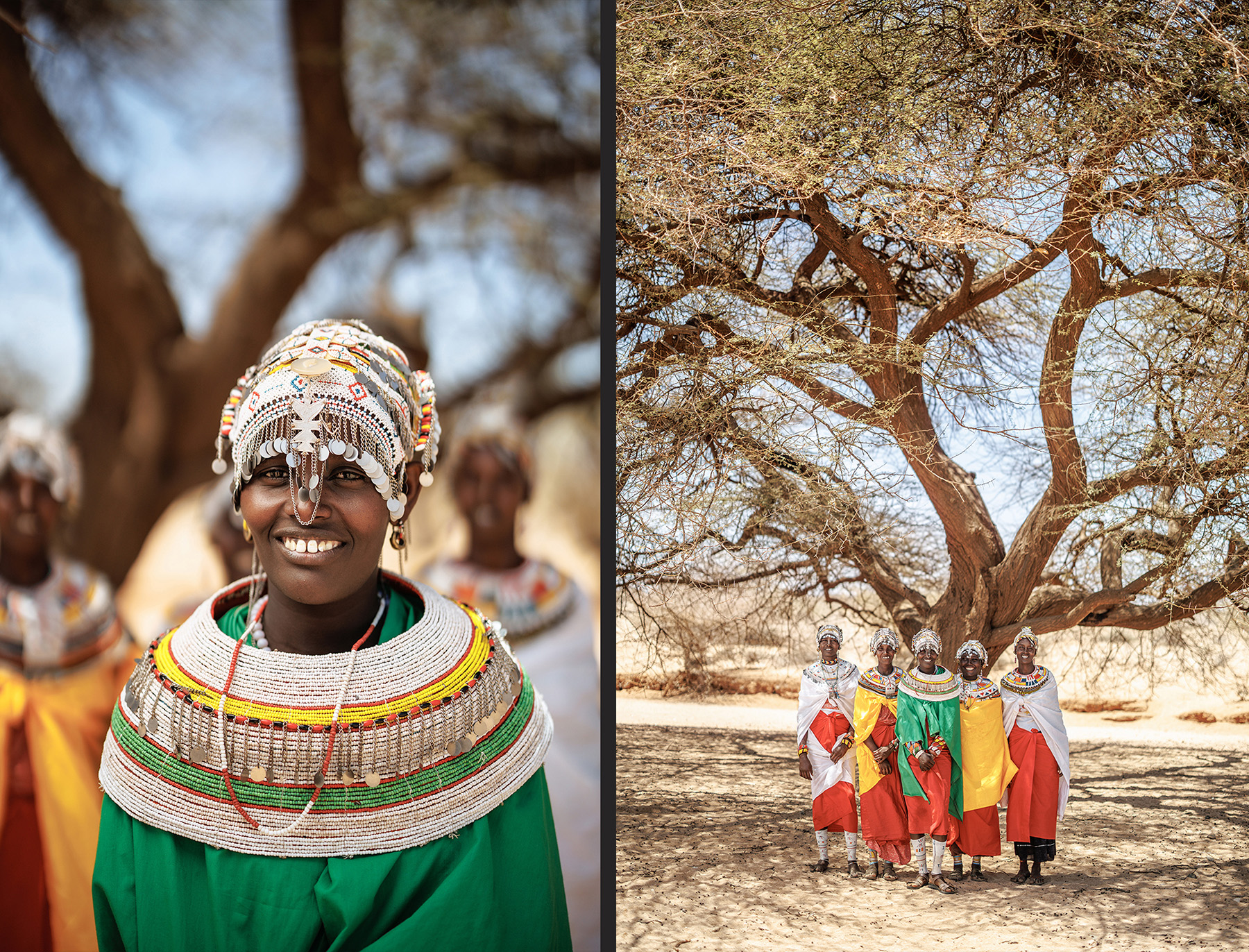
Postcards from the Rendille, in the Marsabit County of Kenya.
March 24 and 25, 2025, I was here on assignment for a local NGO, whose work focused on increasing the socio-economic resilience of households in extreme poverty.
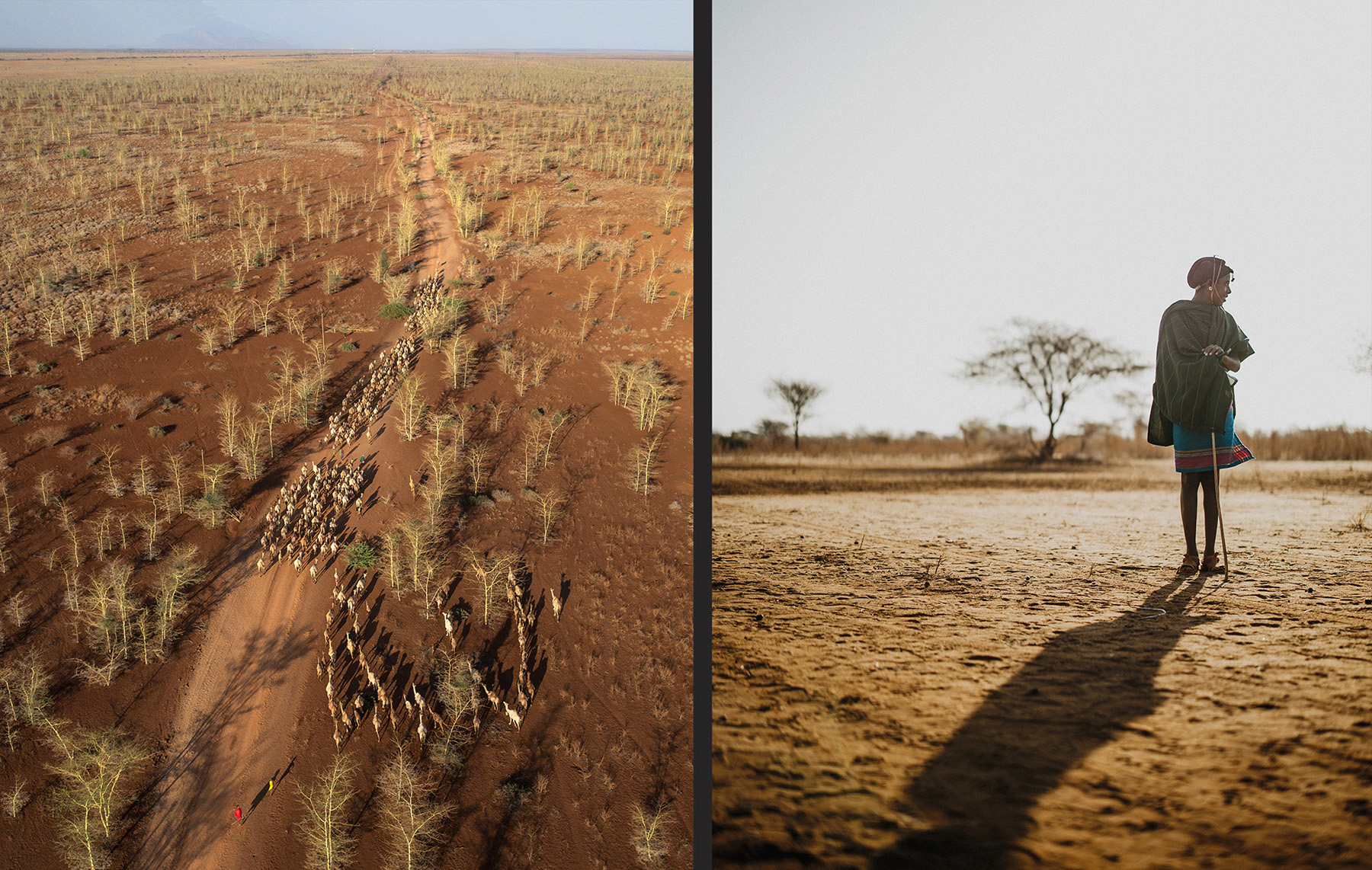
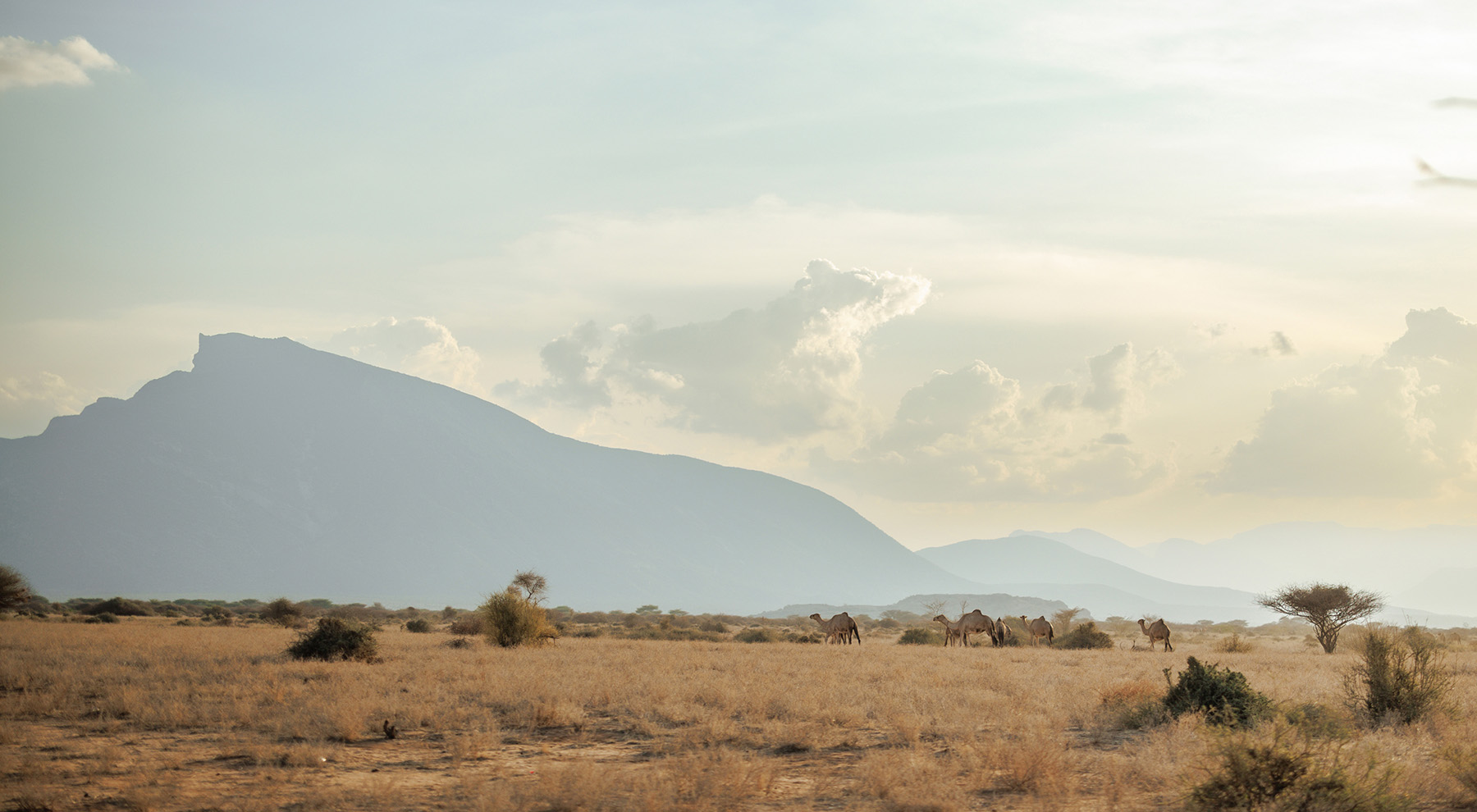
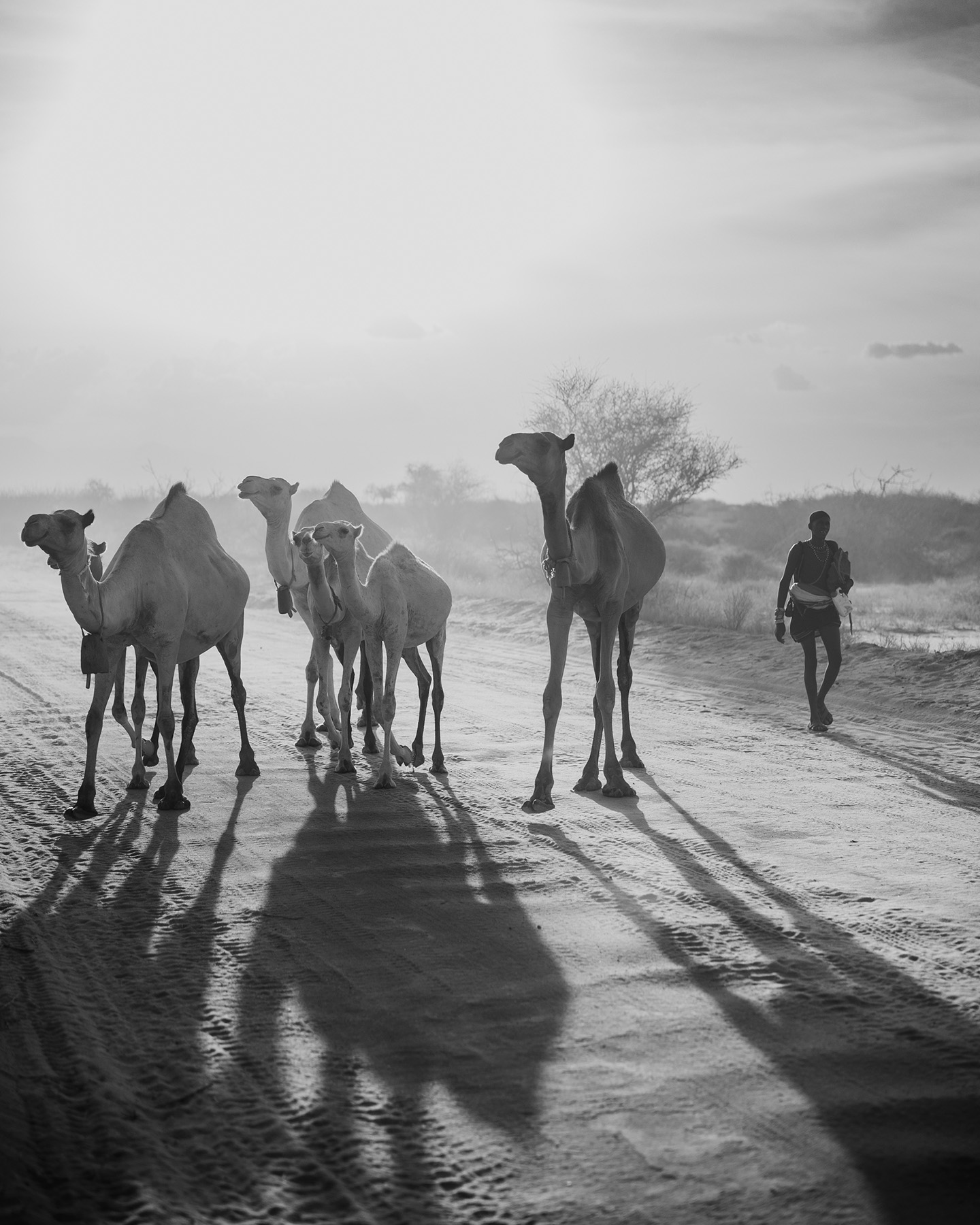
On a dirt road that took us a few hours, as we approached the Rendille community, we met caravans of camels, mostly led by young men who play a vital role in this pastoral society, as they are responsible for the camels’ well-being. Their staple food is meat, milk, and blood, and as such, the Rendille have a distinguished relationship with the camel. They are constantly moving their families and animals towards grass for their livestock to graze on.
The Rendille are a semi-nomadic, Cushitic-speaking pastoralist ethnic group in Kenya, recognized as a fortress of traditional culture, and for this reason, I had wanted to photograph them for a while.
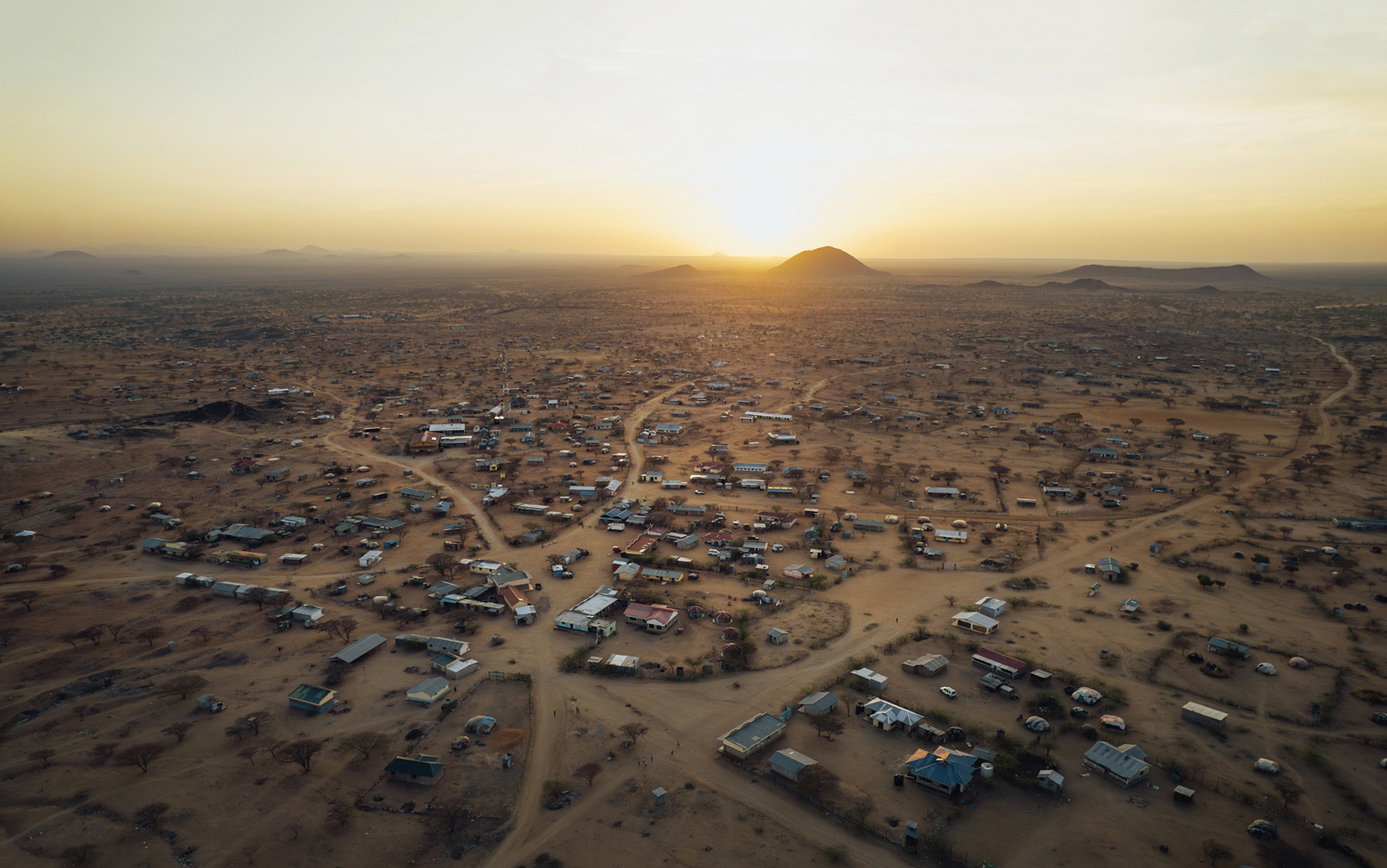
Here I was, interacting with them for two days, as we stayed at a home compound, converted to a hotel in a trading center.
When colonial rule came to Kenya, the British had no interest in overtaking their harsh desert home, which left Rendille’s nomadic way of life generally intact. It is recorded that they inhabit the harshest climatic regions of the country, with very minimal water and vegetation.
The Rendille community divides itself into homesteads of married men and their families.
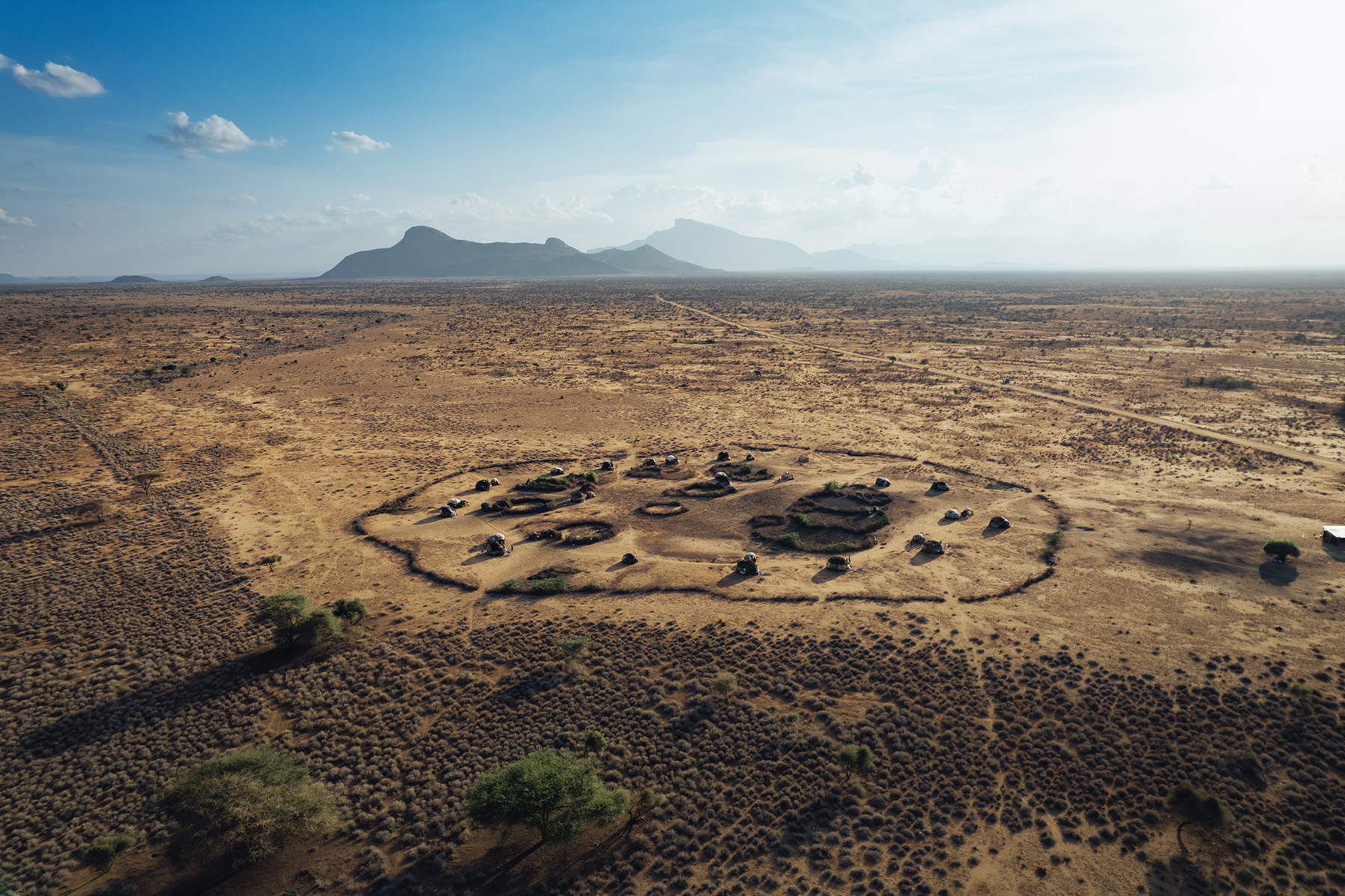
They then take turns to migrate and settle in different areas in search of water and food. When they find a suitable place, they set up camp and stay there until the resources are depleted and they move. They repeat this cycle at least 4 times a year to give the land time to rejuvenate.
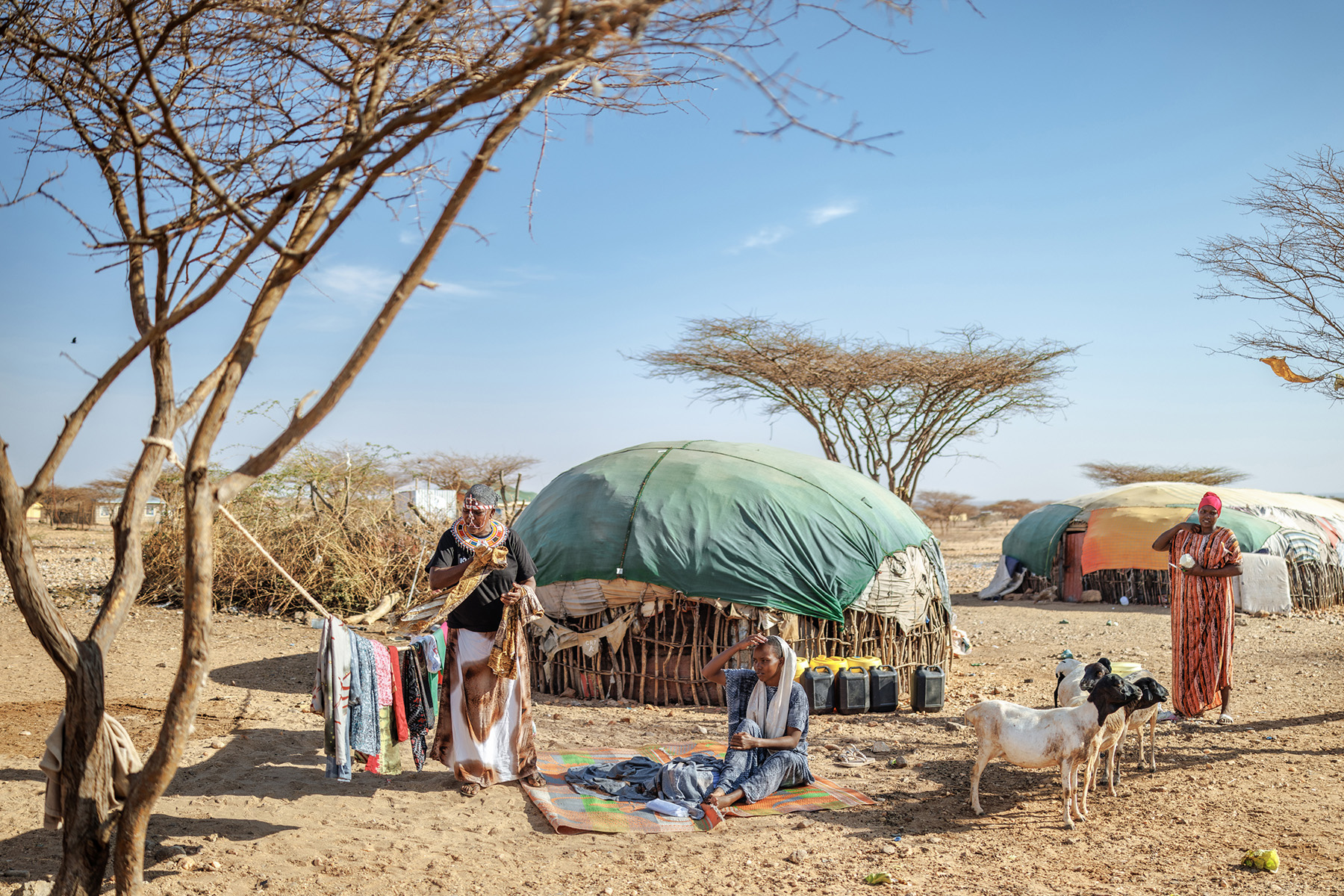
Their compounds are made of multiple semi-spherical huts, known as “Manyattas,” which can house about 120 people and are made of branches and covered with leather hide. Interestingly, it’s the women who are in charge of packing and rebuilding the houses.
While traditional practices remain strong, some Rendille communities are also adapting to more permanent settlements and incorporating elements of Western culture.
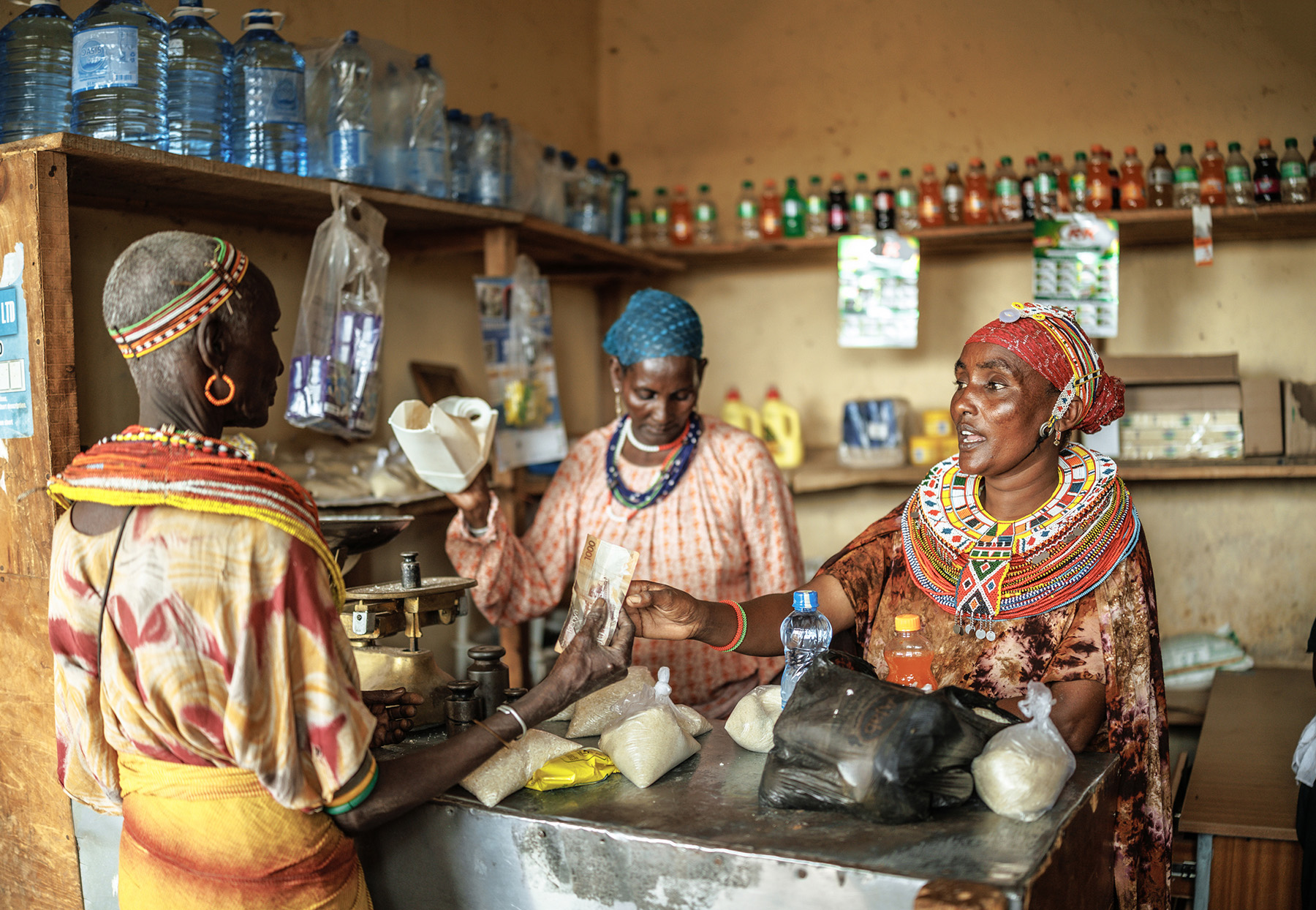
Now, you will see them engage in alternative economic activities like agriculture and general trading. Urbanisation is also driving young people to towns to pursue education and search for jobs, and hence, many have set up modern permanent houses in trading centres.
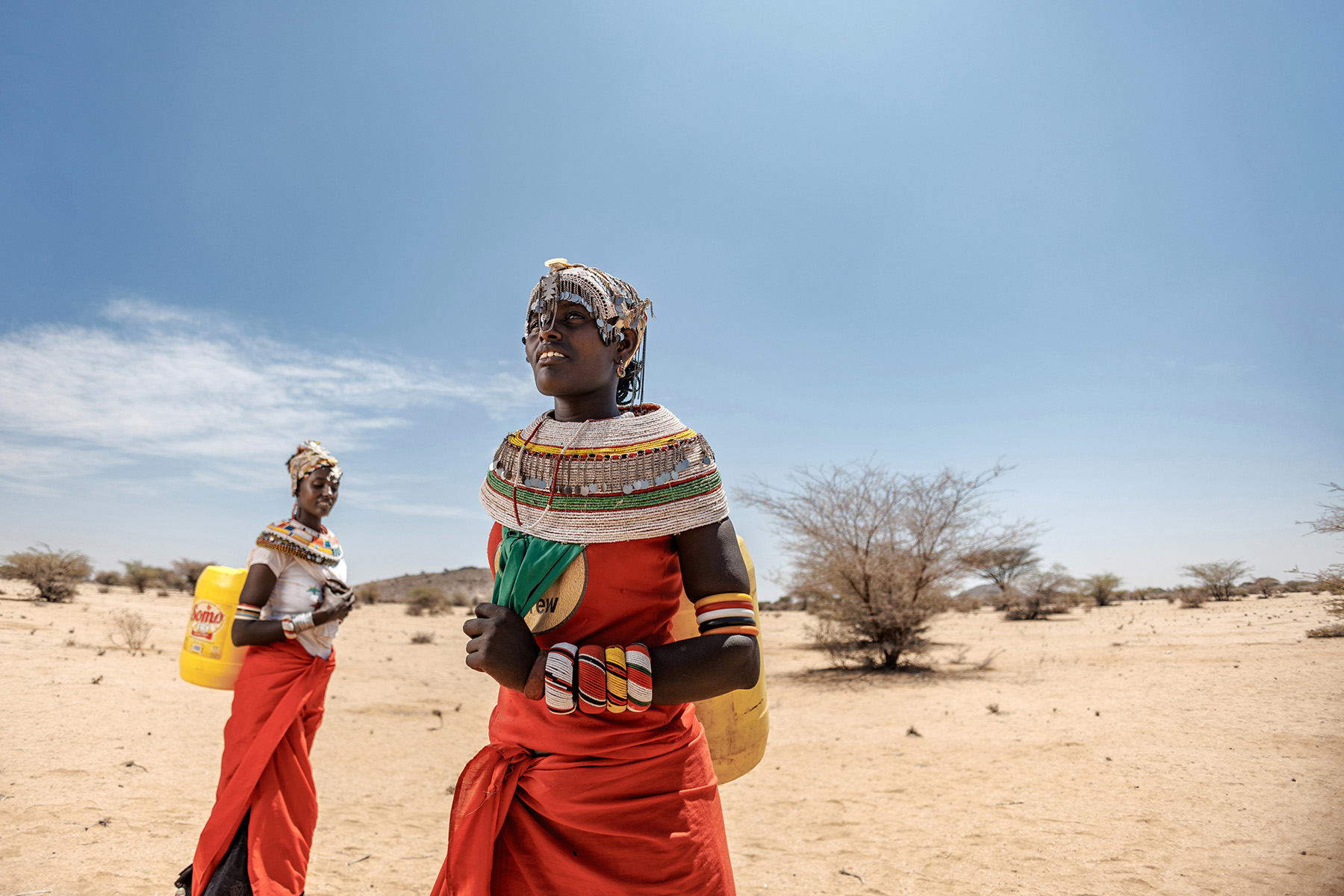
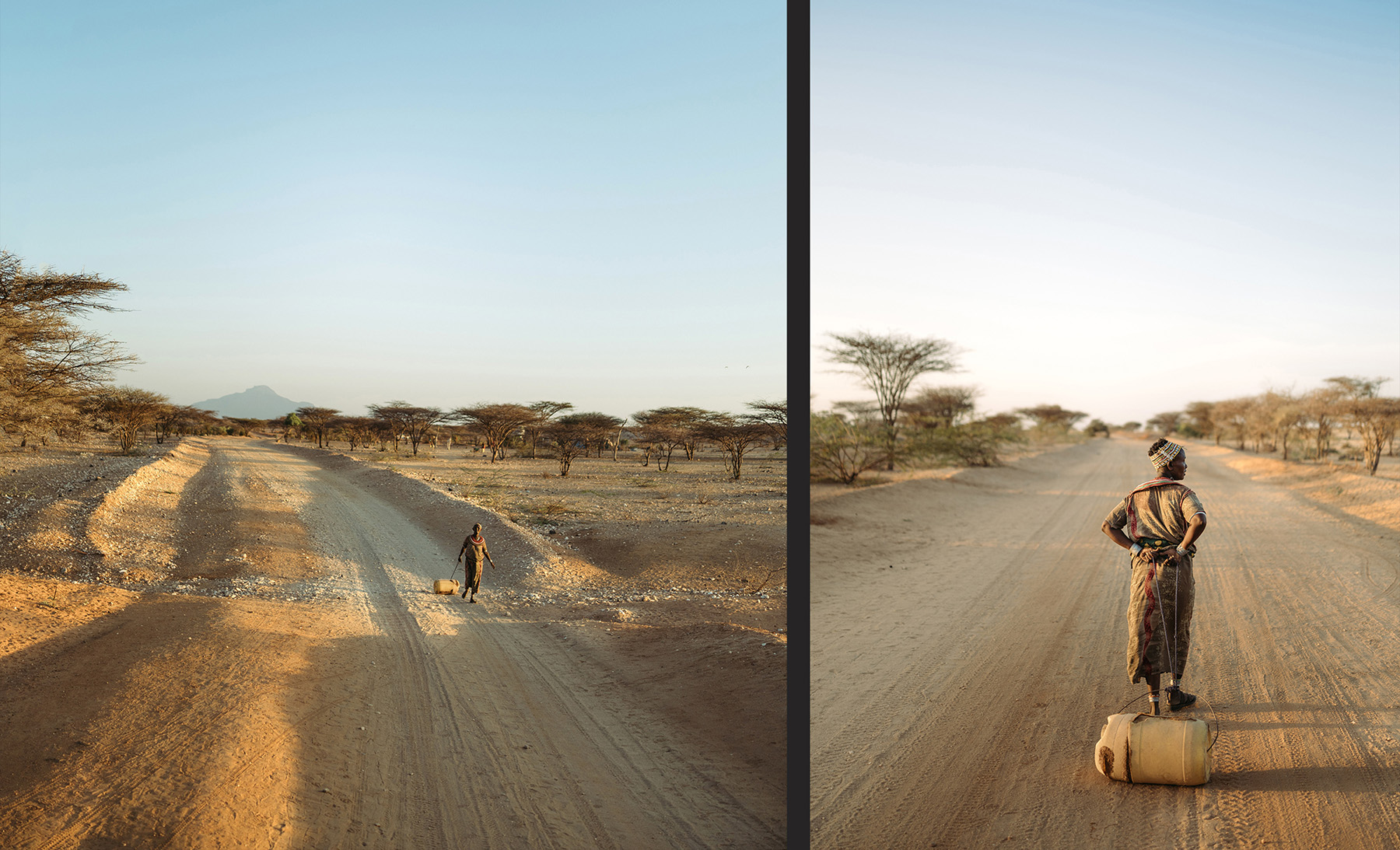
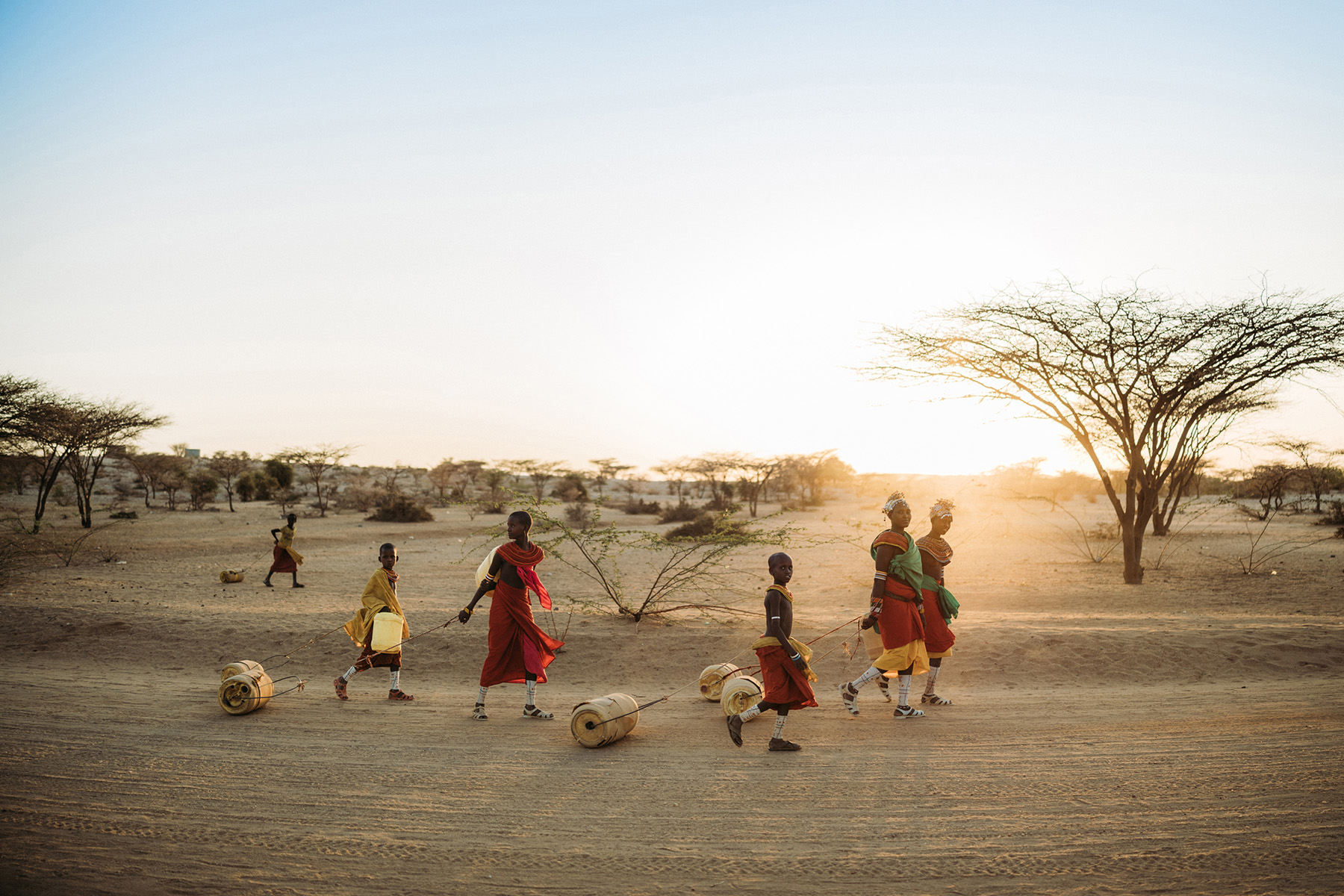
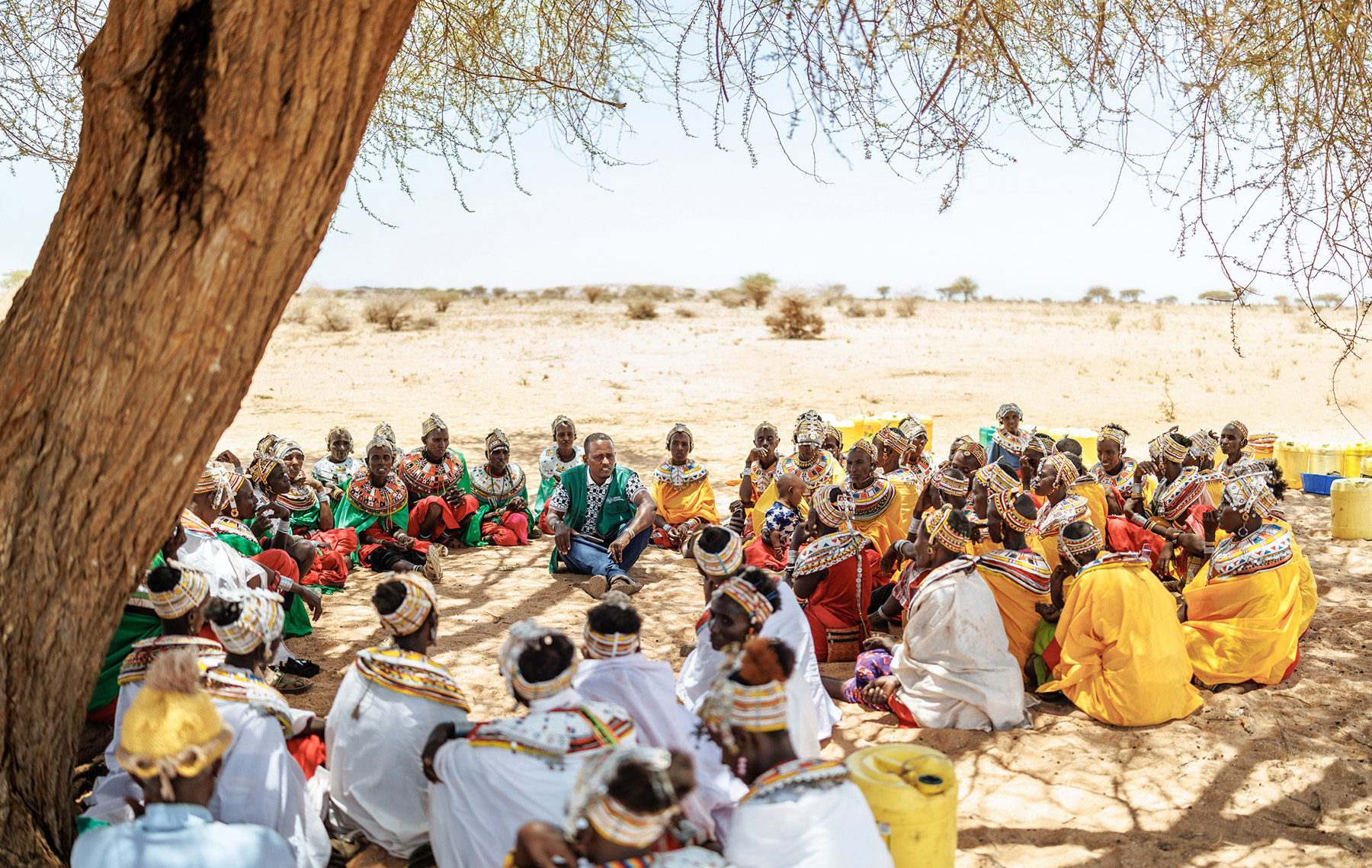
Water scarcity is a significant problem in Korr. Communities, especially women and children, face daily challenges in finding and accessing safe water sources, often trekking long distances to reach wells and other water points. The way they roll jerrycans on the ground is quite a scene.