projects UMOJA Wildlife conservancies
UGANDA, May 2023.
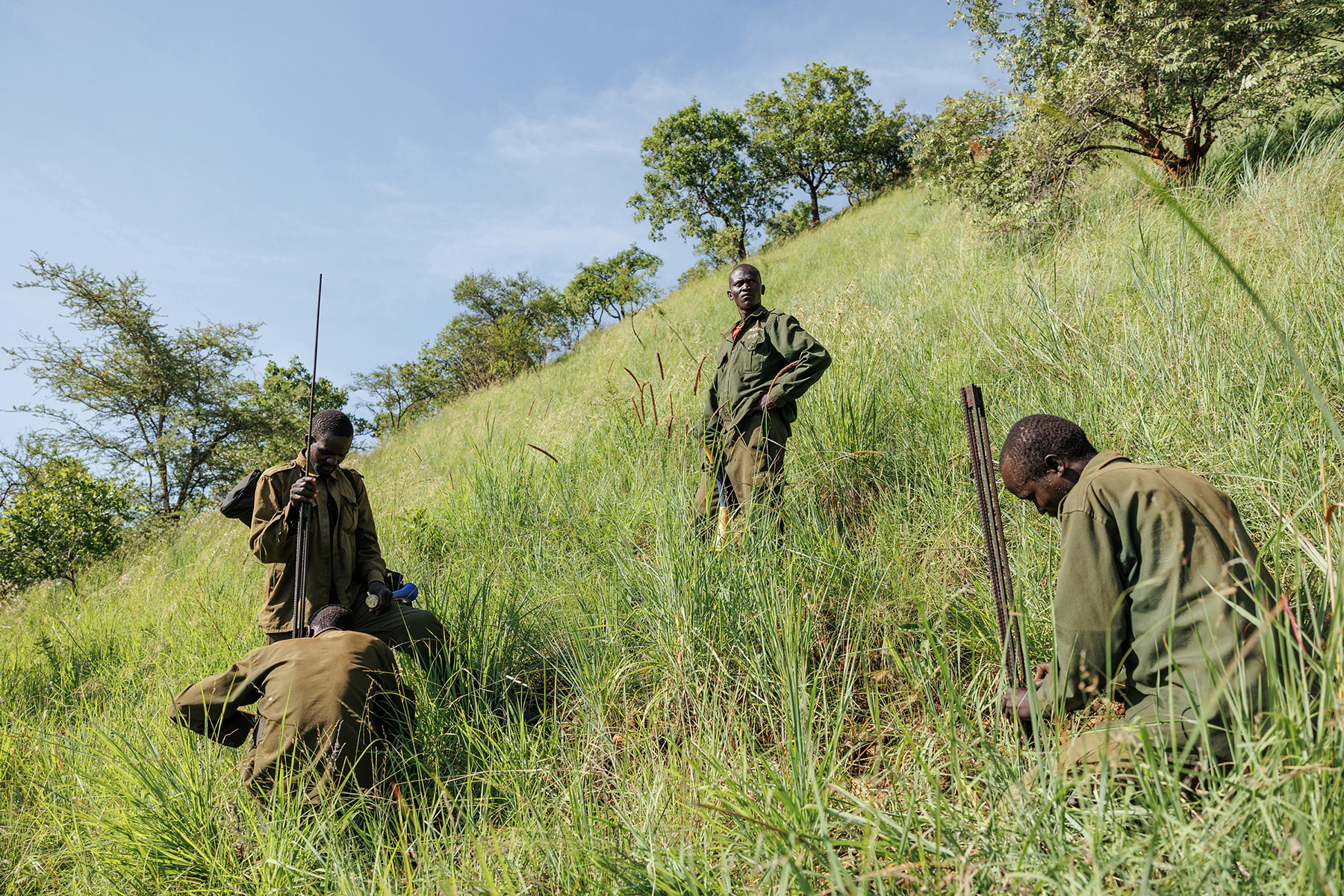
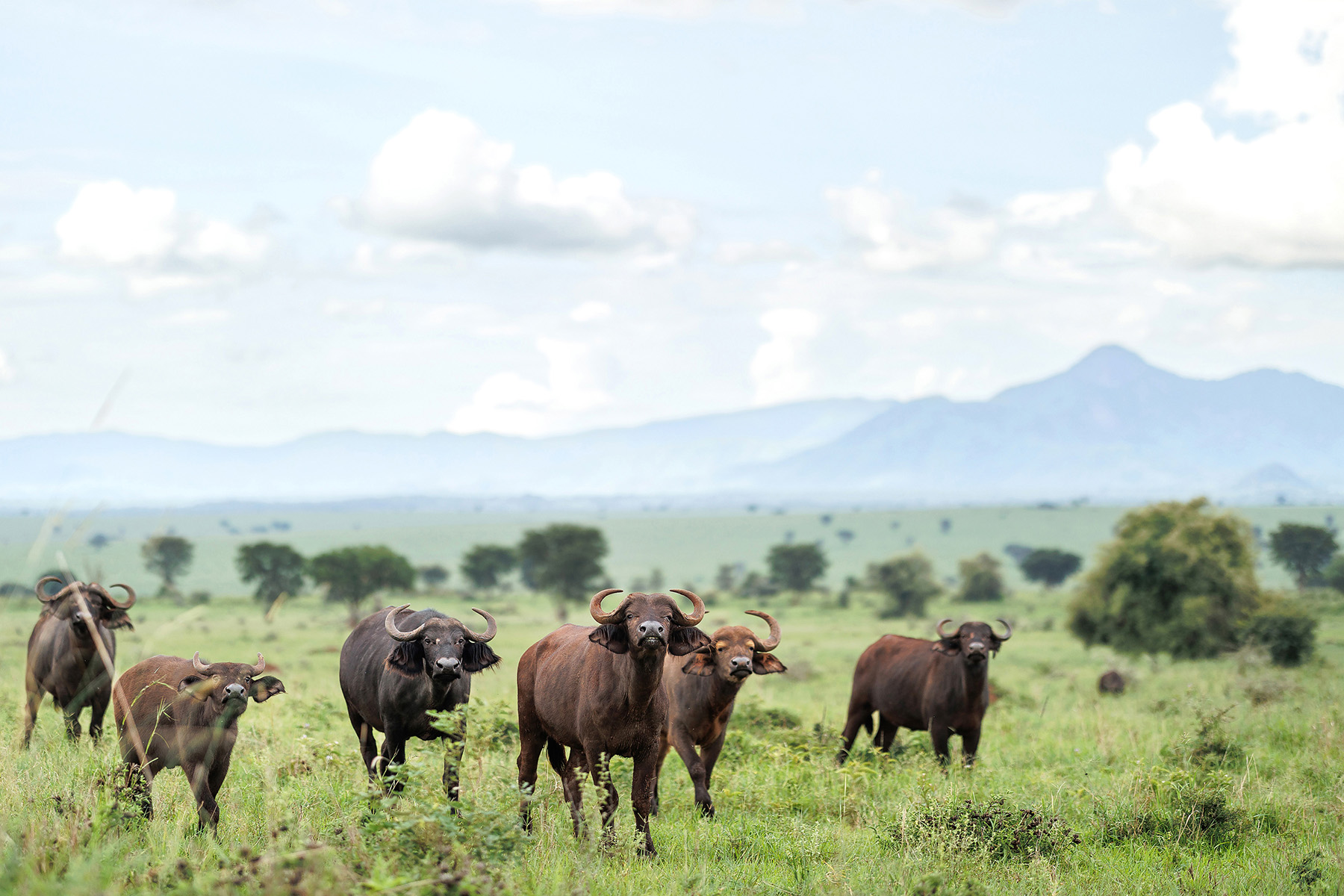
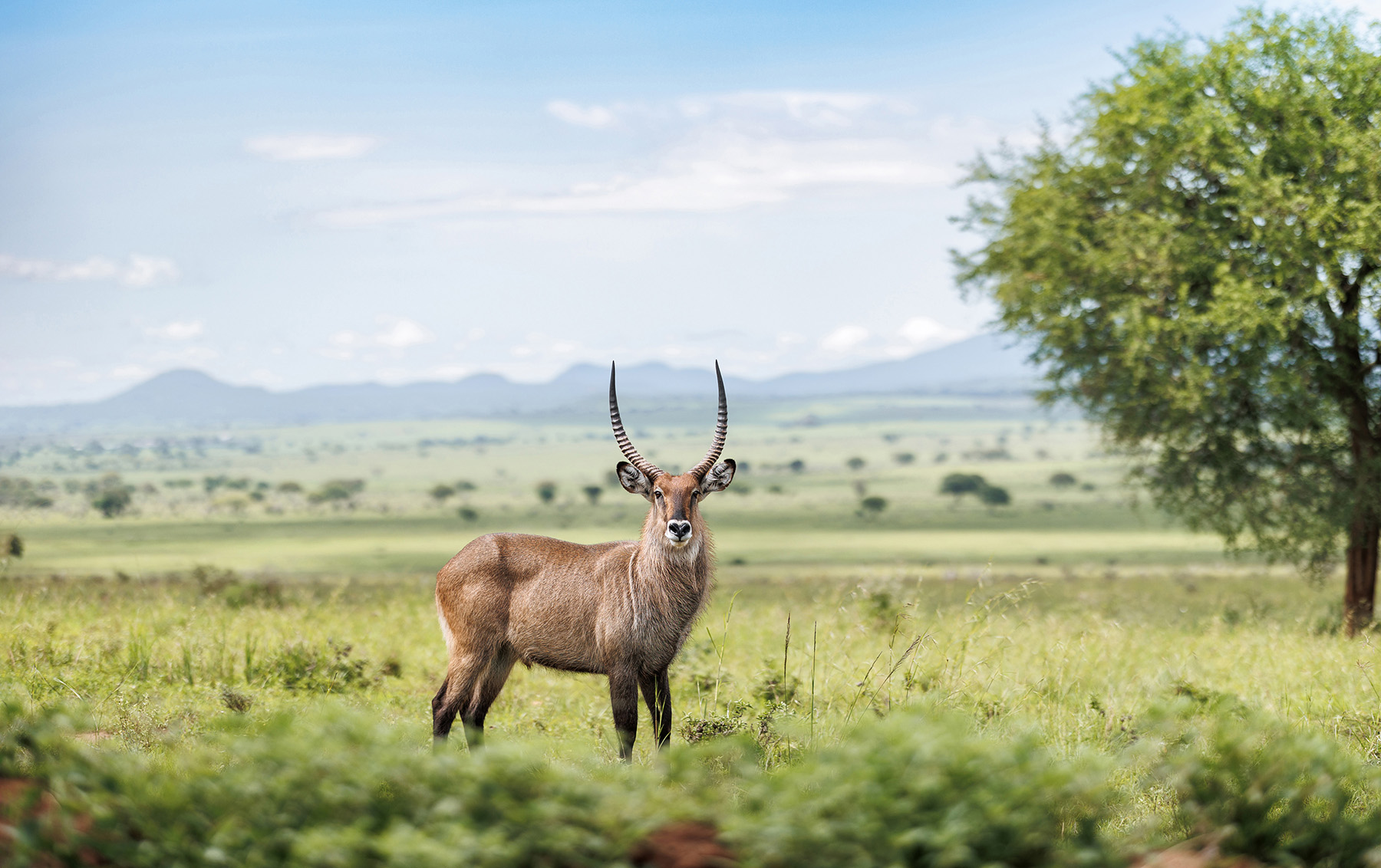
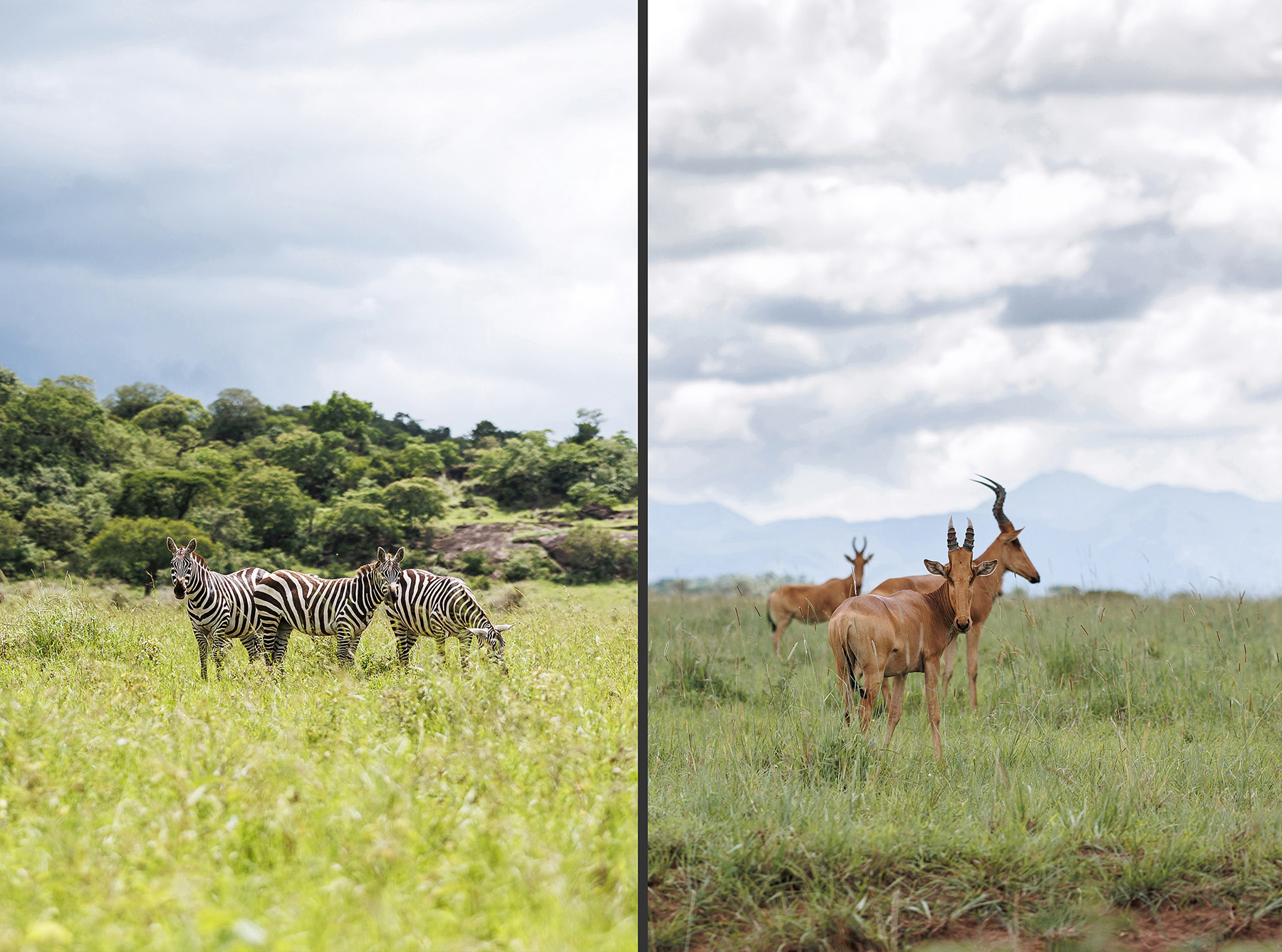
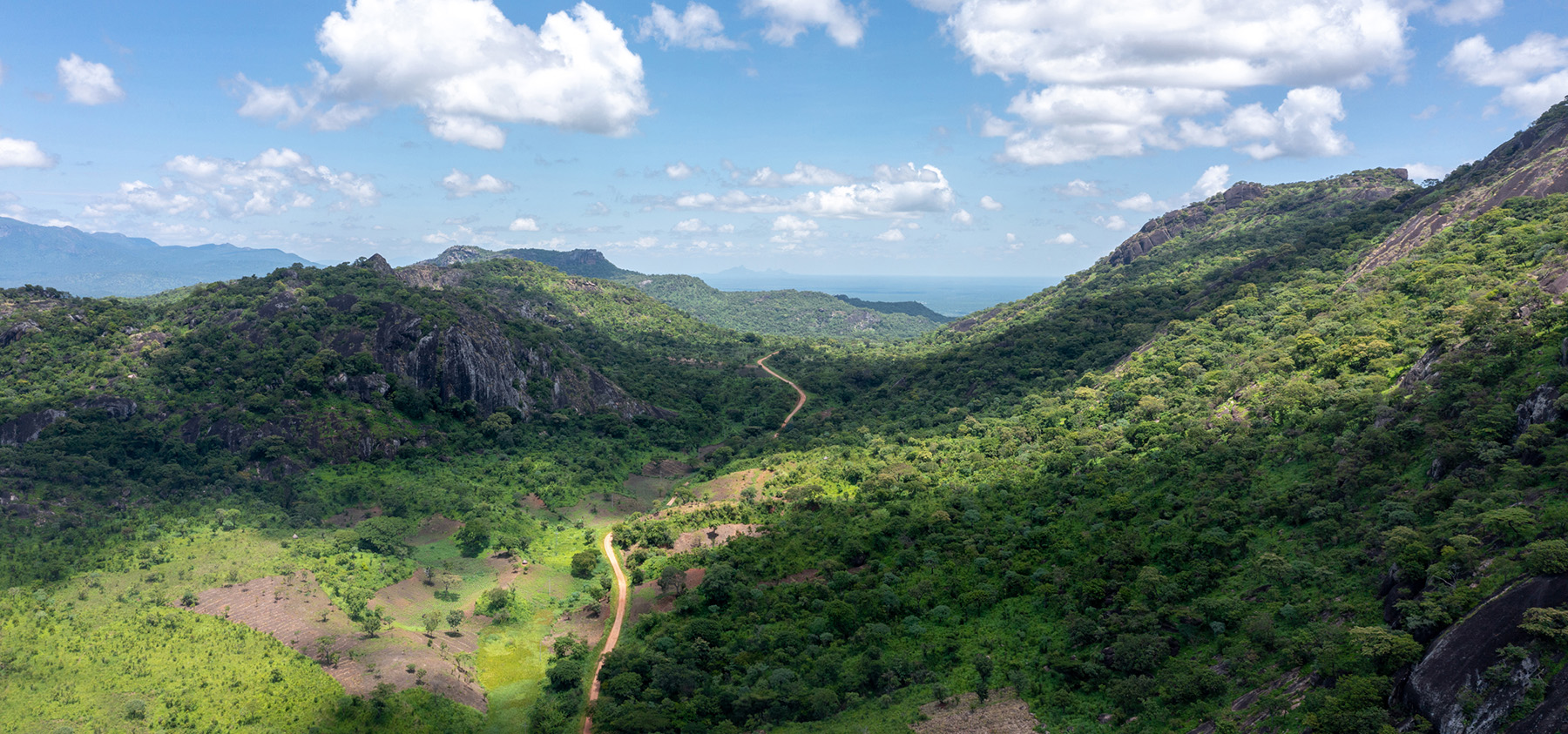
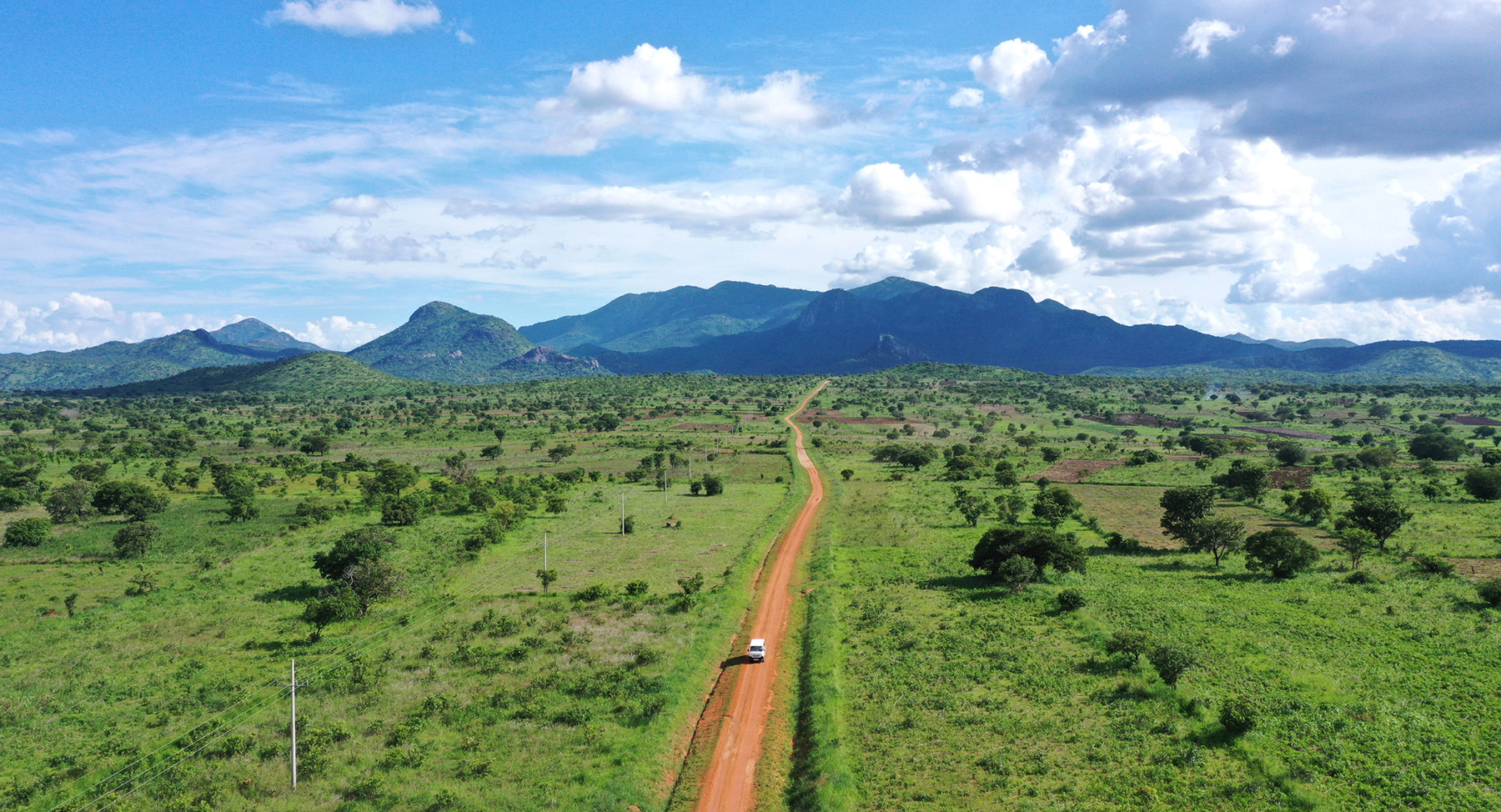
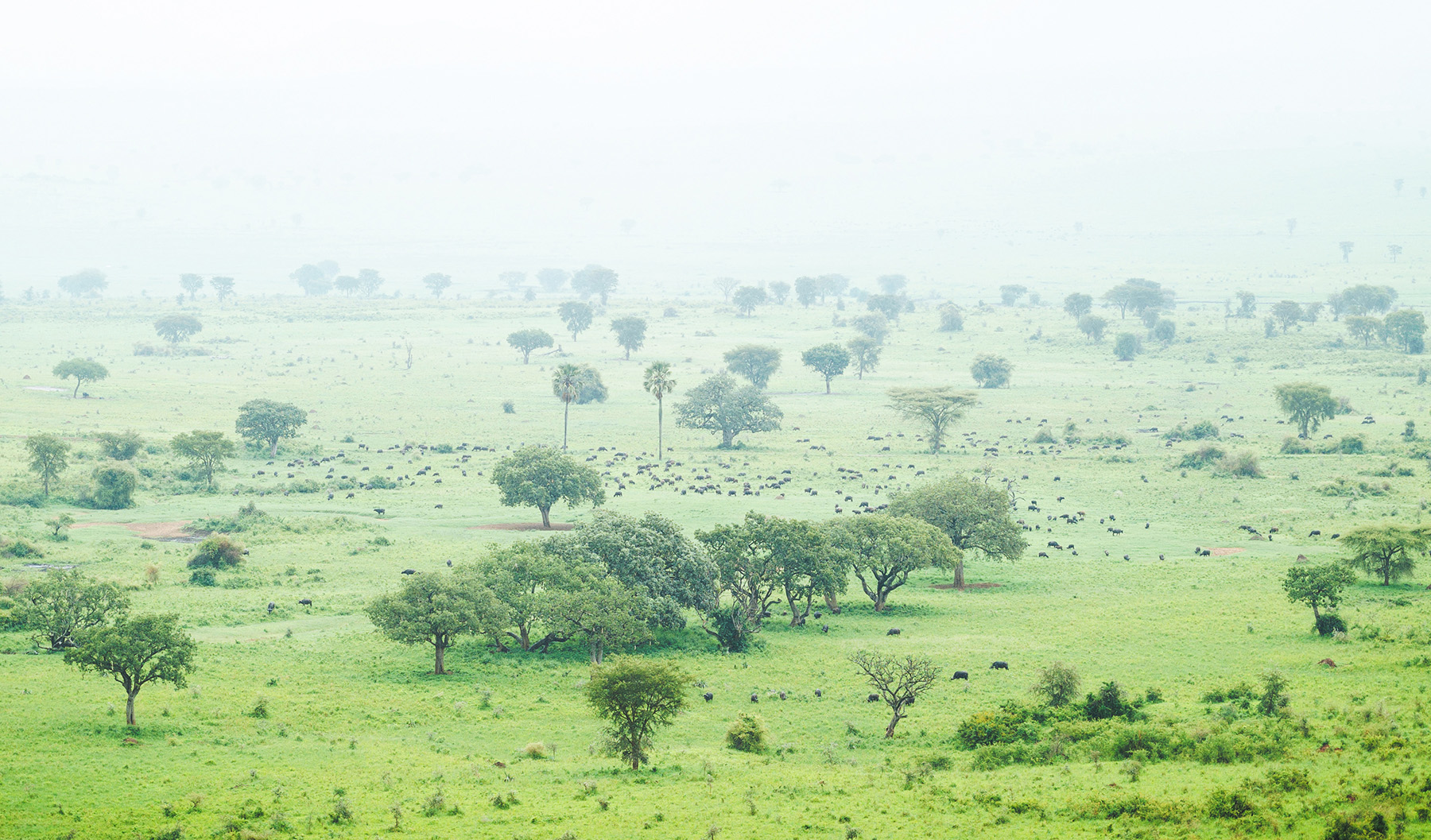
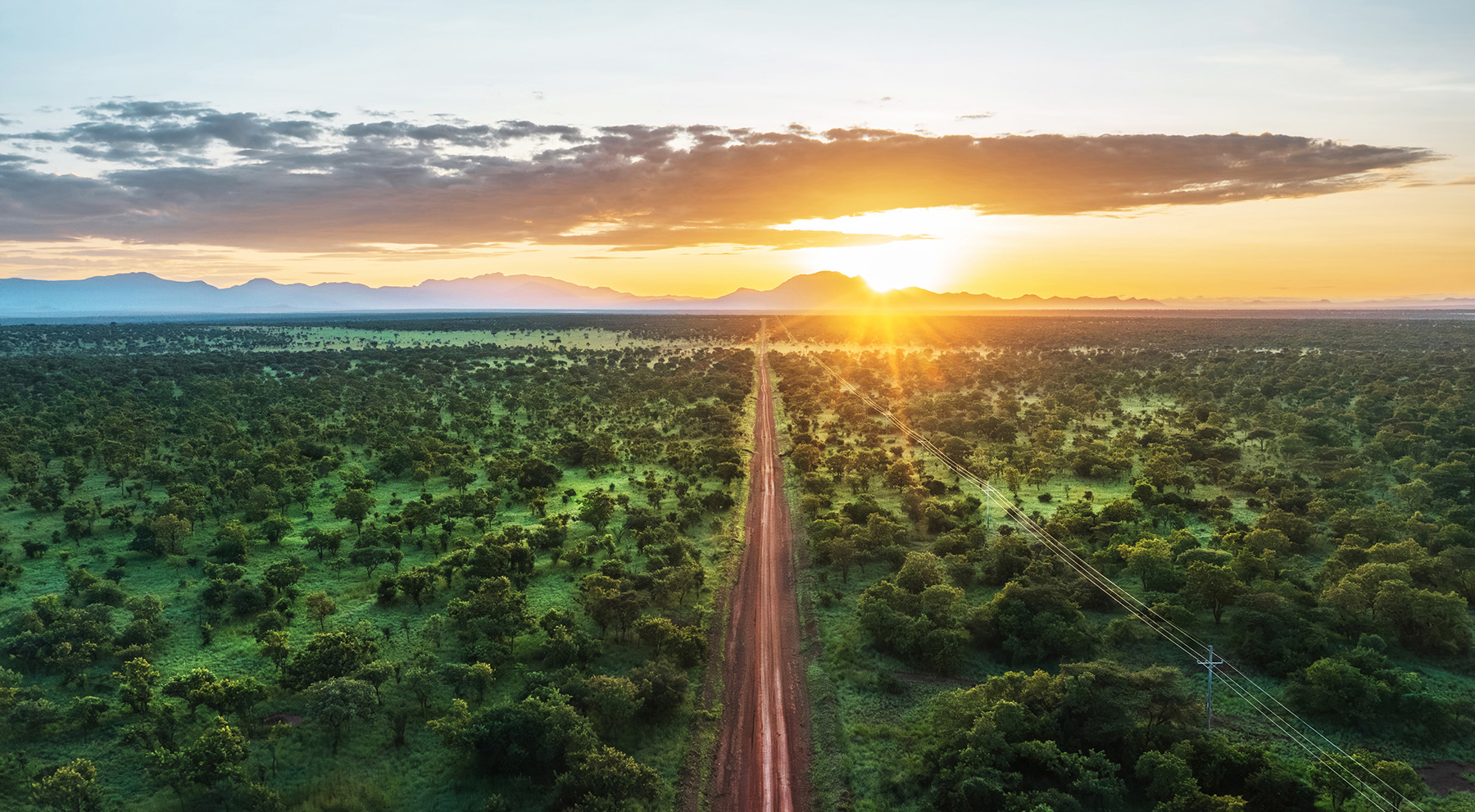
I took a week-long assignment with Umoja Wildlife Conservancies of Uganda.
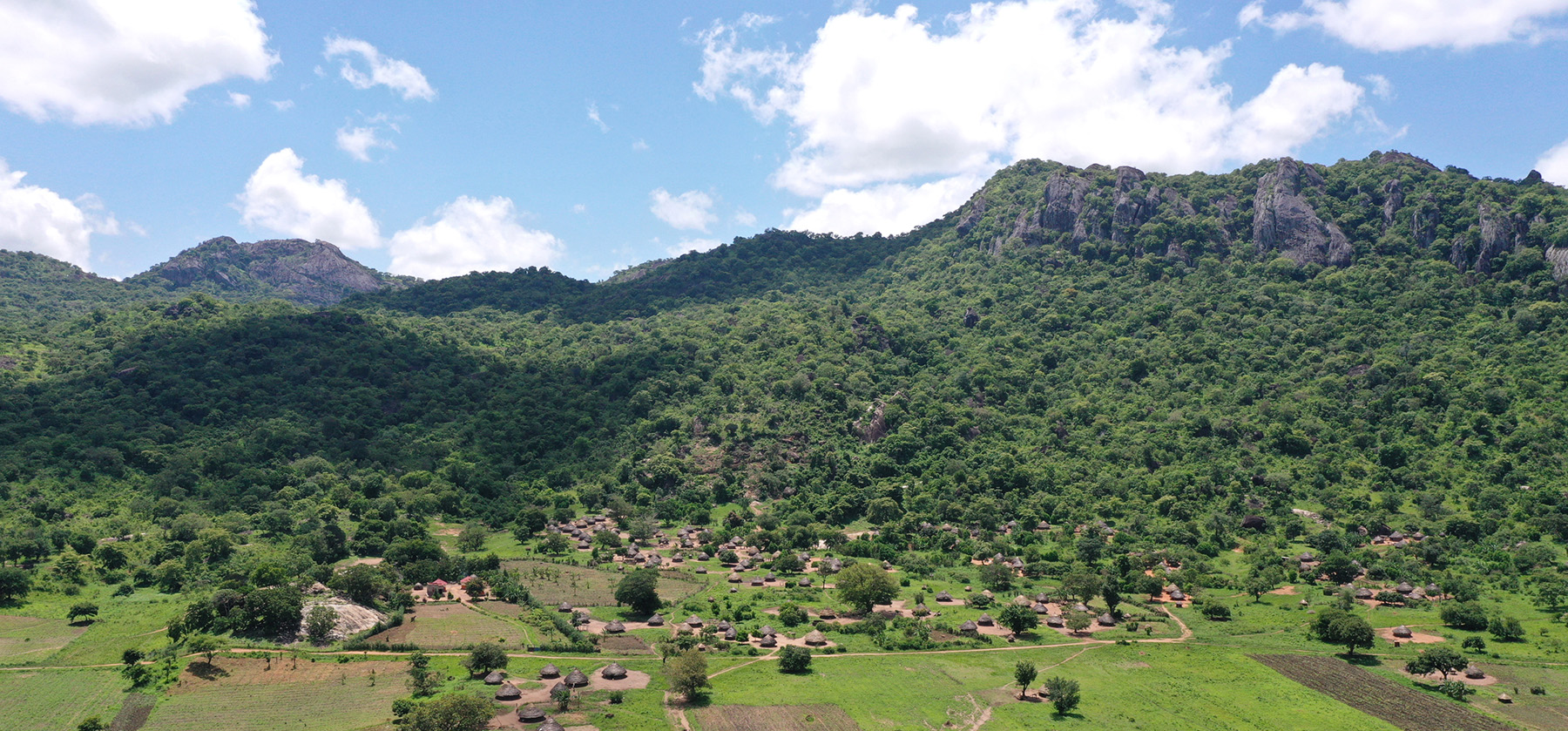
When most people think of conservancies, they think of wildlife conservation. Though this is certainly a key objective, conservancies are about much more than wildlife. They serve various economic, ecological and social roles in communities. In order to conserve natural resources, people need to benefit from them. This is why benefit distribution is important so that people become more interested in conservation.
Umoja Wildlife Conservancies is a non-profit working to strengthen community participation in managing wildlife outside protected areas by developing strong community structures towards conservation and demonstrating tangible benefits of wildlife to these neighboring communities and landowners.
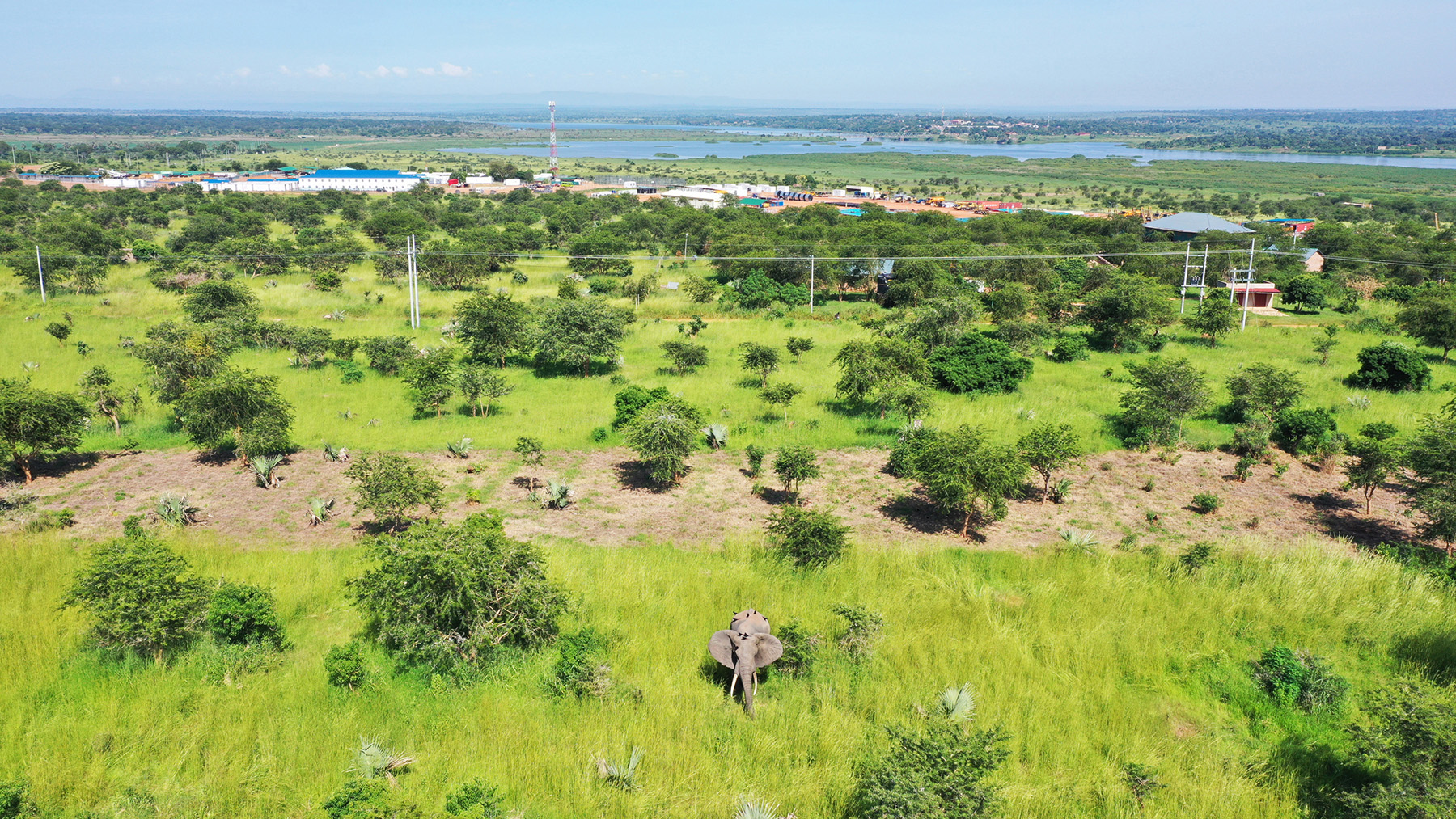
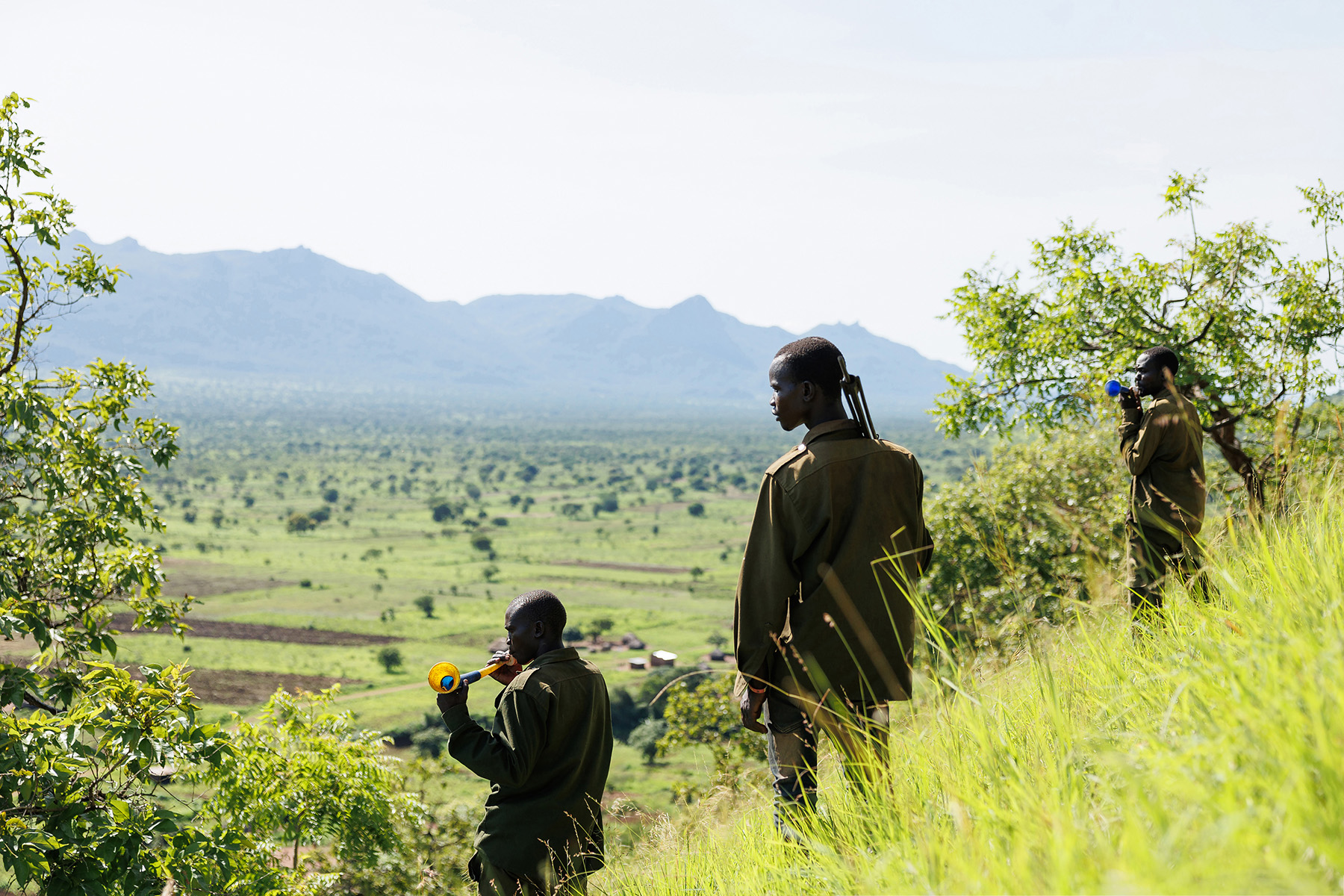
By promoting a community-based human-wildlife conflict mitigation approach, Umoja empowers communities to address the conflicts on their own, thus encouraging coexistence between people and wildlife amidst escalating human-wildlife conflict as visible all over the world.
Umoja acts as an umbrella body for all conservancies in Uganda and they engage with government and other stakeholders on behalf of its members to ensure conservancies adhere to standards and promote best practices and learning.
If communities are to live together with wildlife, to offset losses from crop raiders such as elephants and predators, including lions, they need to receive benefits in return. These come from tourism and associated income, including crafts, and from conservation hunting.
Conservancies serve to promote healthy ecosystems that support wildlife, livestock and human needs. They also improve the conditions of degraded areas and minimize invasive species; to ensure adequate supply of water for wildlife, people and livestock. Conservancies are tasked with the vital role of ensuring proper management of land and the resources upon which wildlife and people depend on.
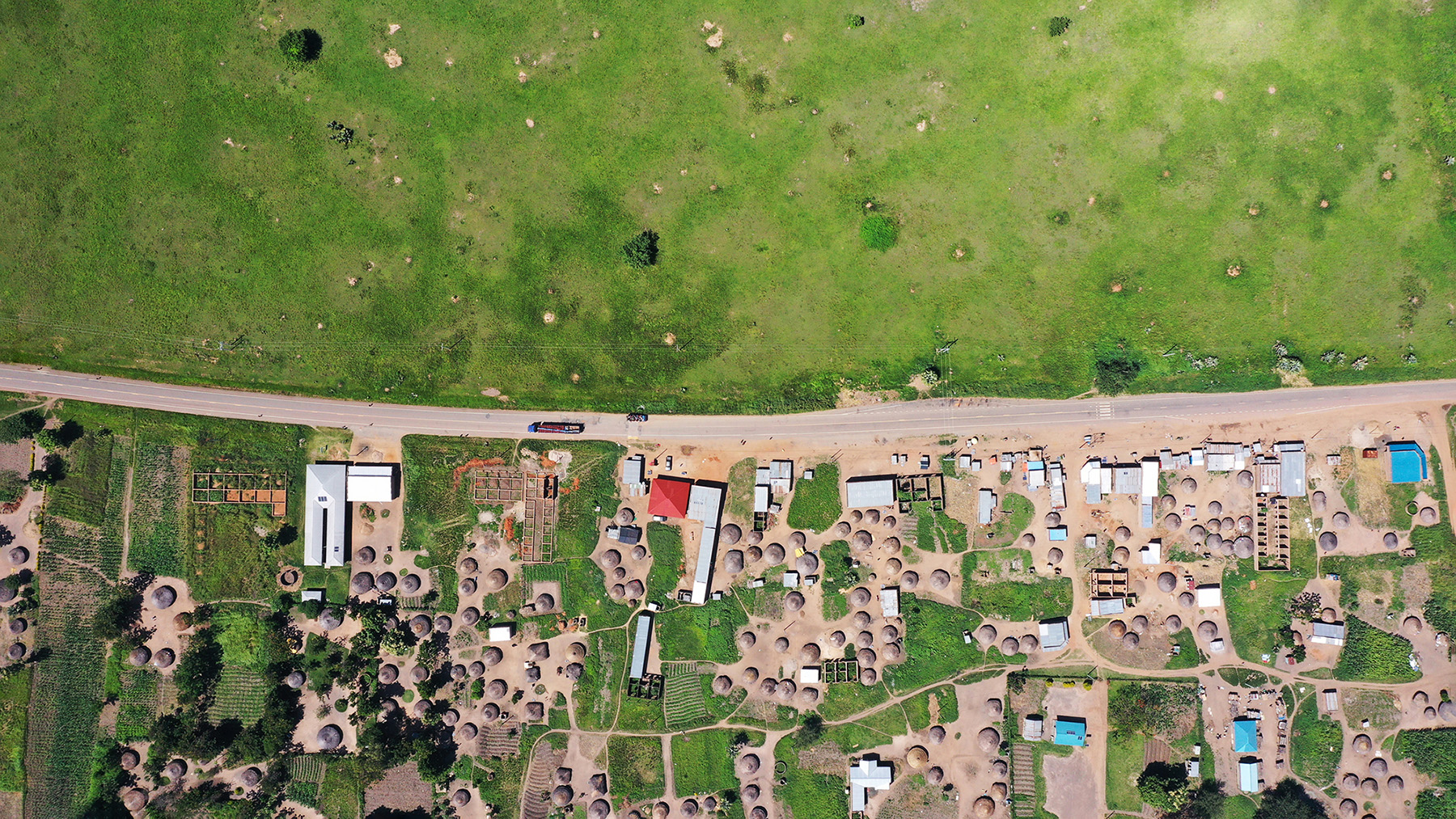
Conservancies endorse community support for conservation and participation in decision making to ensure equitable sharing of benefits and improve community access to services such as health, water and education, while supplementing government services. It is imperative to leverage the support from the community so as to create tangible benefits from conservation and to change attitudes and behavior of communities towards wildlife.