NGO Photography
NGO Photography in Uganda and East Africa
NGO photography supports organisations working in development, advocacy, public health, education, environmental initiatives, and humanitarian response.
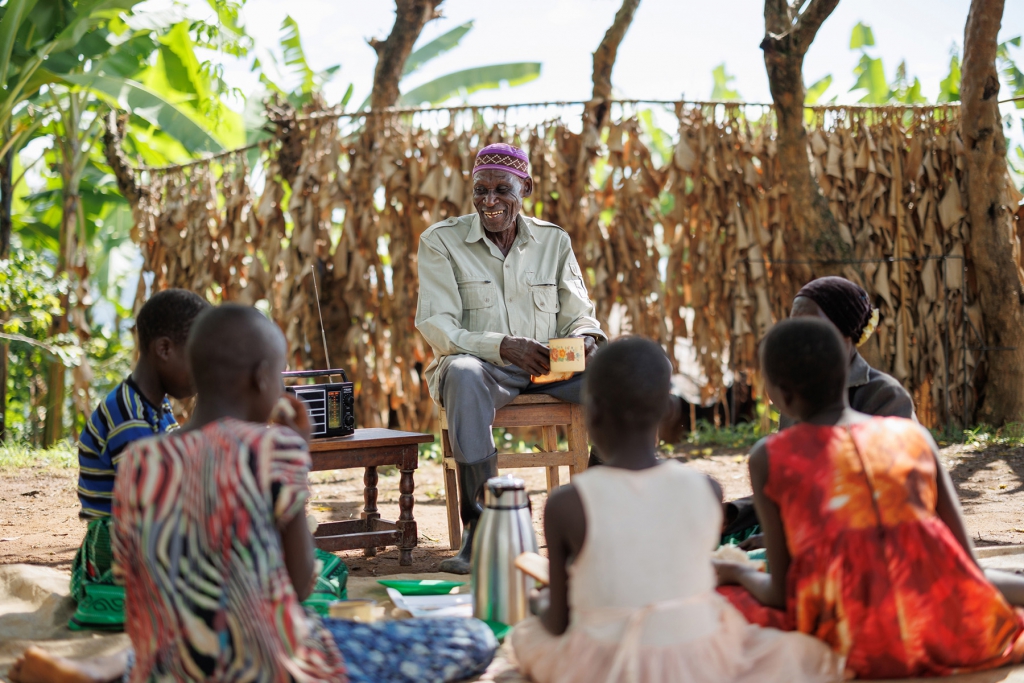
Jjumba Martin collaborates with NGOs across Uganda and East Africa to produce visual documentation that communicates impact, context, and human experience with clarity and ethical awareness.
His work integrates documentary principles with organisational objectives — ensuring that imagery serves both narrative depth and strategic communication needs.
What NGO Photography Requires
NGO photography differs from general commercial photography. It must:
- Communicate program impact
- Support donor reporting
- Strengthen advocacy messaging
- Provide assets for campaigns
- Respect participant dignity
- Align with safeguarding policies
Visual communication for NGOs is not simply aesthetic — it is functional, accountable, and often tied to funding and institutional credibility.
Visual Content for Reports, Campaigns, and Advocacy
NGO photography often supports:
Annual Reports and Impact Reports
Clear visual documentation of programs, beneficiaries, staff, and operational environments.
Advocacy Campaigns
Imagery that strengthens policy messaging while preserving nuance and ethical framing.
Donor Communications
Photographs that demonstrate measurable impact without reducing individuals to statistics.
Grant Proposals
Authentic visuals that contextualise funding needs and program environments.
Digital and Social Campaigns
Narrative-driven content adaptable for websites, newsletters, and outreach materials.
Approach to NGO Photography
Documentary-Based Method
Rather than staging scenes, Martin works through observational and participatory approaches. This ensures images reflect real program conditions and lived realities.
Ethical Engagement
NGO environments often involve vulnerable communities. Ethical standards include:
- Informed consent
- Cultural sensitivity
- Child safeguarding compliance (where applicable)
- Context-aware framing
Ethical alignment is especially critical for organisations accountable to international donors.
Strategic Understanding
Before photography begins, assignments are structured around:
- Program objectives
- Key messaging priorities
- Deliverable formats
- Usage scope (print, web, donor reports, media)
This ensures visual content aligns with organisational communication strategy.
Who This Service Is For
NGO photography is particularly suited for:
- Local NGOs operating in Uganda
- International NGOs (INGOs) working in East Africa
- Development agencies
- Health and education initiatives
- Advocacy organisations
- Environmental and conservation programs
Organisations seeking ethically grounded and context-aware documentation benefit from a documentary-led approach.
NGO Photography vs. Commercial Photography
Many photographers in Uganda provide event or commercial services. NGO photography, however, requires:
- Sensitivity to power dynamics
- Awareness of development narratives
- Understanding of impact measurement
- Alignment with institutional standards
Martin’s background in documentary and social impact photography positions him to navigate these complexities responsibly.
To explore adjacent services, visit:
Regional Context
Operating from Uganda while working across East Africa allows for contextual familiarity and long-term engagement within the region.
This proximity strengthens:
- Trust-building
- Cultural fluency
- Narrative depth
- Logistical efficiency
For NGOs operating across borders, regional understanding reduces misrepresentation risks often associated with short-term external documentation.
Deliverables and Output
Typical NGO photography assignments may include:
- Edited high-resolution image sets
- Thematic image collections for campaigns
- Caption documentation for reporting accuracy
- Structured photo essays
- Visual assets aligned with brand guidelines
Deliverables are tailored to each organisation’s reporting and communication needs.
Enquiries
Organisations seeking NGO photography in Uganda or East Africa can initiate discussions to define scope, timeline, objectives, and deliverables.
For broader humanitarian-focused documentation, visit Humanitarian Photography.