Humanitarian Photography
Humanitarian Photography in East Africa
Humanitarian photography documents people and communities within contexts of development, displacement, crisis response, recovery, and long-term social change.
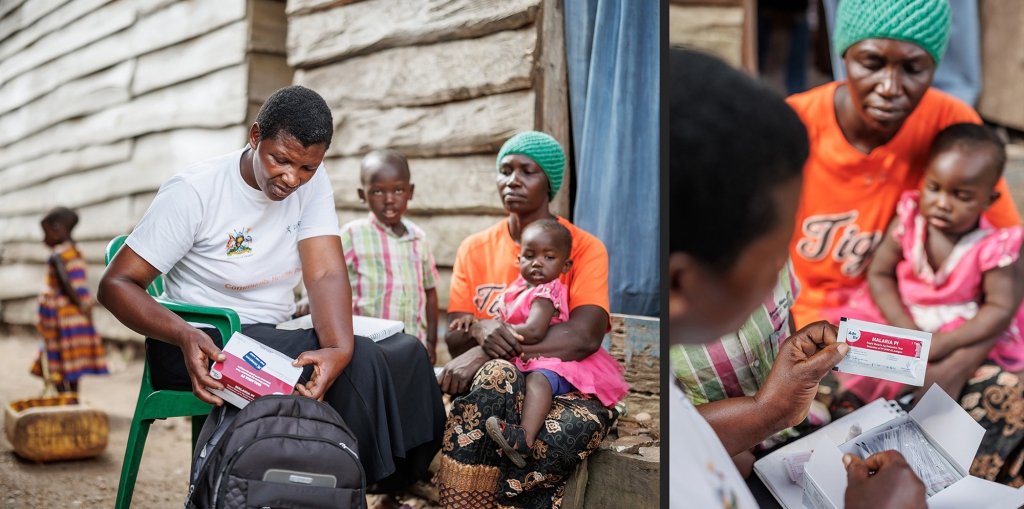
Jjumba Martin’s humanitarian photography focuses on dignity, agency, and context rather than shock-driven imagery. His work prioritises human complexity over visual simplification, particularly within development and aid environments across Uganda and East Africa.
Rather than isolating moments of vulnerability, his approach situates individuals within their broader social, cultural, and environmental realities.
What Defines Humanitarian Photography?
Humanitarian photography operates at the intersection of storytelling and responsibility. It must:
- Communicate urgency without exploitation
- Demonstrate impact without reducing people to symbols
- Support advocacy while preserving dignity
- Inform audiences without reinforcing stereotypes
This balance requires more than technical skill. It requires ethical clarity and cultural awareness.
Ethical Framework
Ethics are central to humanitarian image-making.
Jjumba Martin’s approach is guided by:
Informed and Ongoing Consent
Consent is not a one-time formality. Subjects are informed about the purpose of the photography, potential usage, and distribution context.
Context Over Shock
Rather than relying on extreme imagery to provoke reaction, his work emphasises narrative depth and social context.
Long-Term Engagement
Whenever possible, projects prioritise extended presence over rapid visual extraction. Trust produces more responsible storytelling.
This ethical orientation aligns closely with his broader practice in Documentary Photography.
Working with NGOs and Development Organisations
Humanitarian photography often supports organisations that need credible visual communication for:
- Reports
- Impact documentation
- Donor communications
- Advocacy campaigns
- Program visibility
- Grant proposals
- Editorial publications
Martin collaborates with local NGOs, international NGOs (INGOs), and development institutions to produce imagery that communicates impact without compromising integrity.
For organisations seeking mission-aligned visual work, explore:
Who This Work Is For
This work is particularly suited for:
Long-Term Engagement
Organisations operating within Uganda and East Africa that require contextually sensitive documentation.
International NGOs (INGOs)
Institutions seeking regional expertise combined with documentary methodology.
Donor Agencies
Foundations and funding bodies that require responsible visual representation of supported programs.
Multilateral Institutions
Development agencies, humanitarian actors, and policy institutions operating within the region.
Social Enterprises and Community Initiatives
Groups seeking to document their impact while maintaining ethical storytelling standards.
Humanitarian Photography in Uganda and East Africa
Operating from Uganda while working across East Africa provides proximity to the social realities being documented.
Regional familiarity allows for:
- Cultural nuance
- Language awareness (where applicable)
- Sensitivity to political and social context
- Reduced risk of outsider misrepresentation
Humanitarian photography in this region requires careful engagement with histories of external representation. Working from within the region strengthens narrative authenticity.
Approach to Commissioned Humanitarian Work
Every assignment begins with:
- Context briefing
- Stakeholder understanding
- Ethical risk assessment
- Clear usage expectations
Visual storytelling is aligned with organisational goals while maintaining independence of narrative integrity.
This approach integrates principles from Visual Storytelling and documentary practice to ensure work is cohesive and impact-oriented.
Beyond Crisis Imagery
Humanitarian contexts are often visually framed through emergency alone. However, social change includes resilience, leadership, innovation, and community strength.
Martin’s humanitarian photography documents:
- Local leadership
- Youth empowerment
- Education initiatives
- Health systems
- Community resilience
- Long-term development outcomes
This broader framing allows organisations to communicate sustainable impact rather than episodic crisis.
Enquiries and Collaborations
Organisations seeking humanitarian photography grounded in ethical practice and documentary depth can initiate discussions regarding project scope, timelines, and deliverables.
For related services: