Documentary Photography
What Is Documentary Photography?
Documentary photography is the practice of telling real-world stories through images. It is grounded in truth, context, and sustained engagement rather than staged or constructed scenes.
Unlike commercial or purely aesthetic photography, documentary photography prioritises lived experience. It focuses on social realities, cultural identity, and human relationships as they unfold over time.
At its core, documentary photography is not about capturing isolated moments. It is about constructing visual narratives — bodies of work that reveal patterns, systems, and meaning beneath the surface of everyday life.
Jjumba Martin’s Documentary Photography
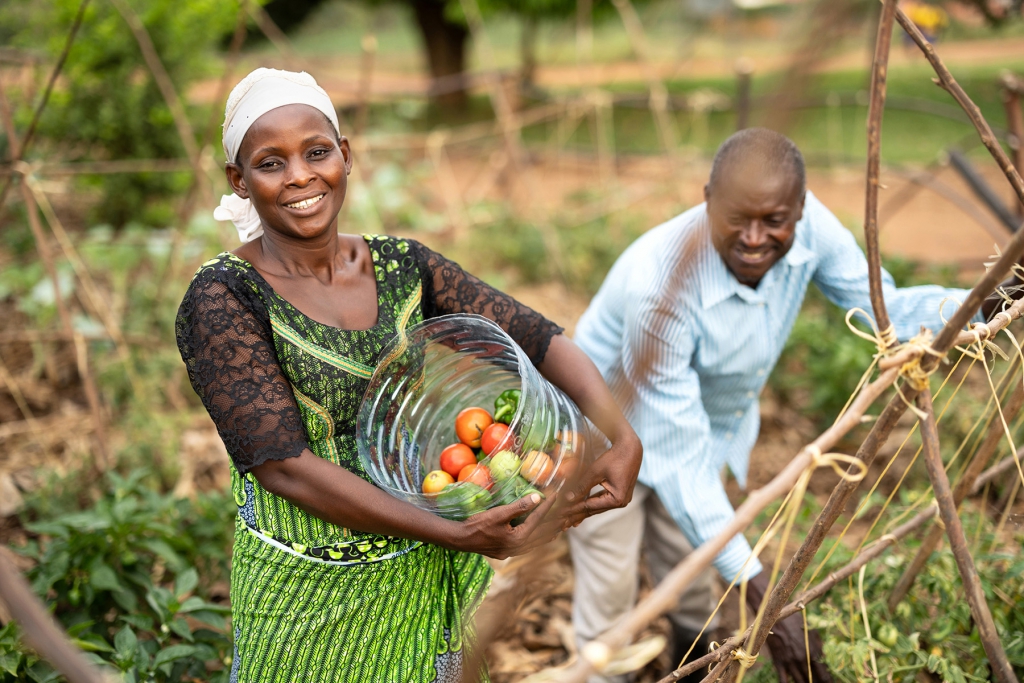
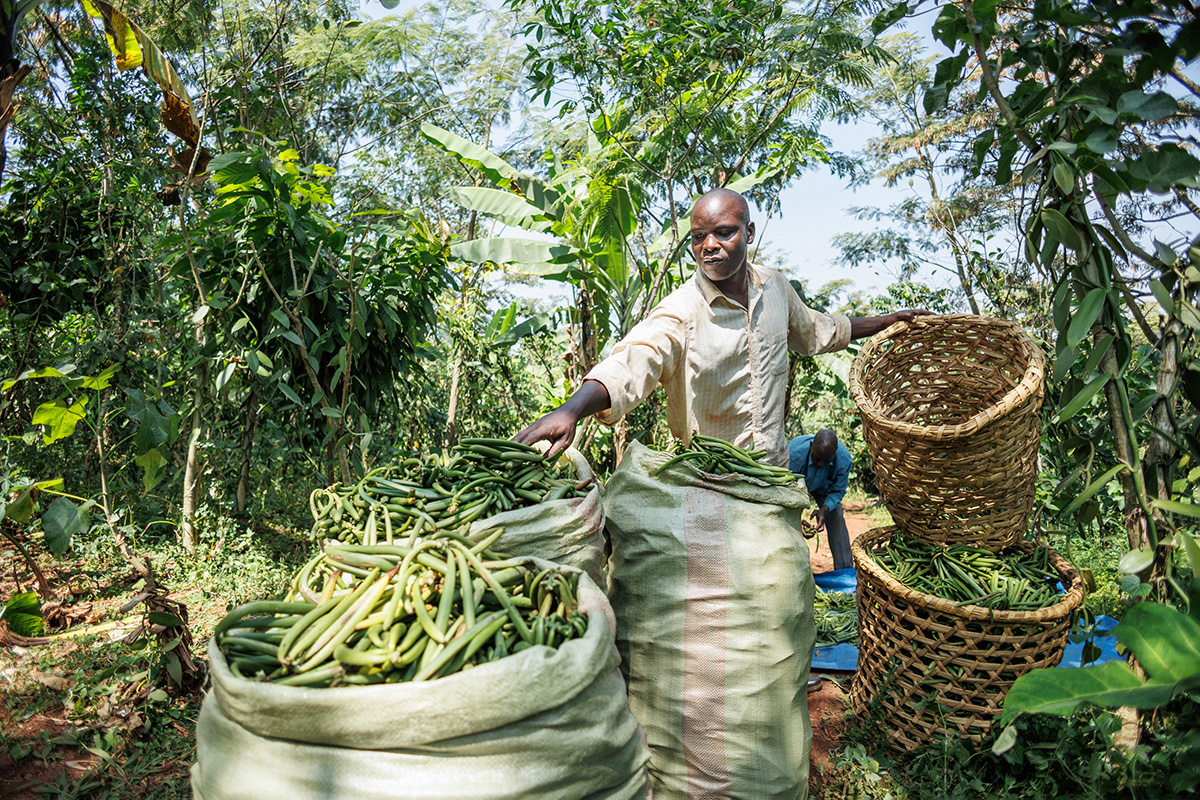
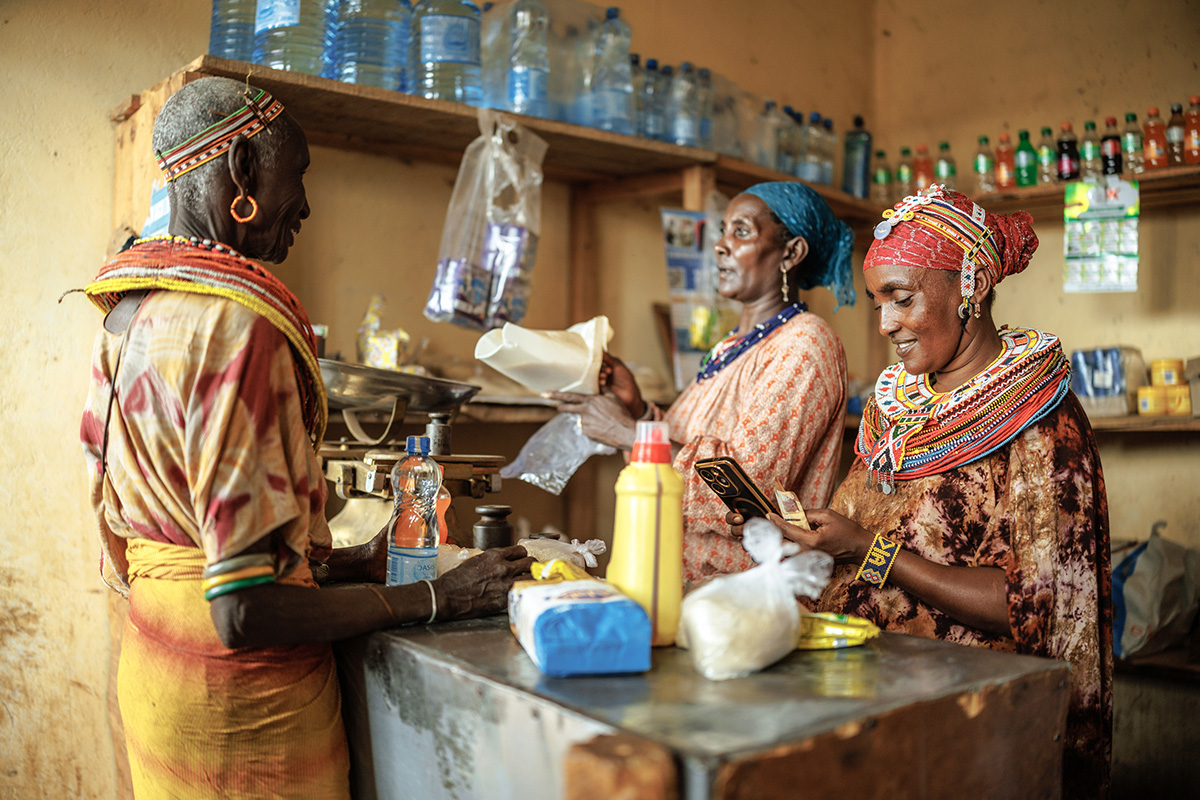
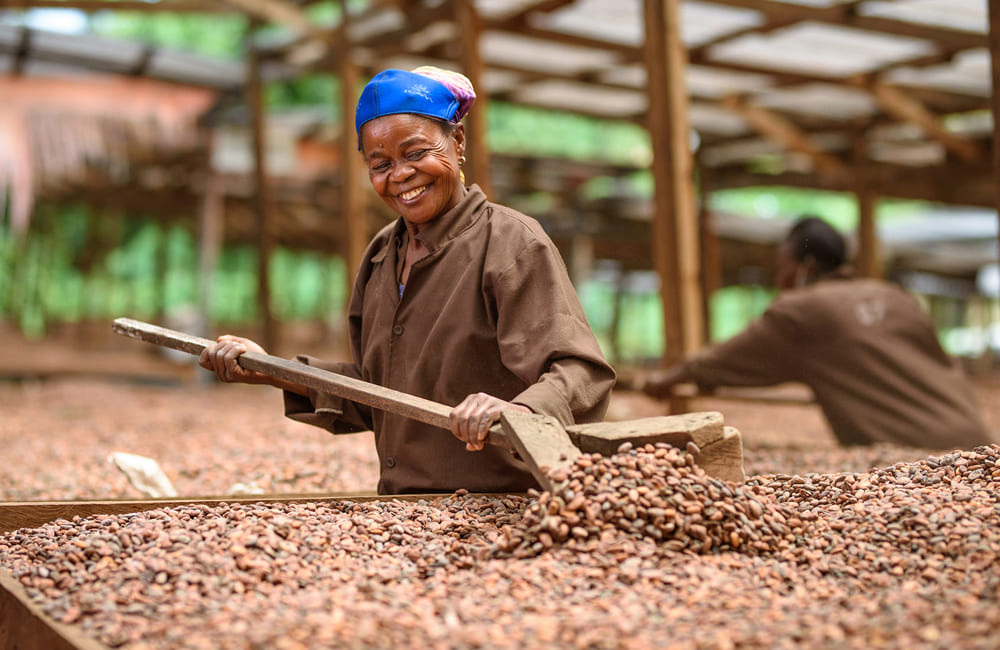
Jjumba Martin’s documentary photography centres on human experience within East African contexts. His work explores themes of social change, cultural continuity, migration, identity, and development.
Rather than producing single, disconnected images, his projects evolve over time. They are built through research, immersion, and long-term presence.
This approach allows subjects to be represented with depth and agency rather than reduced to simplified visual tropes.
For region-specific work, visit:
How Jjumba Martin Approaches Documentary Photography
Documentary photography requires more than technical skill. It requires ethical clarity and relational awareness.
1. Time and Presence
Meaningful documentary work often requires extended engagement. Time allows trust to develop and complexity to emerge. Quick visual extraction rarely produces layered storytelling.
Martin’s projects are structured around sustained observation rather than rapid capture.
2. Ethics and Representation
Representation carries power. Documentary photography must avoid reinforcing stereotypes or aestheticising hardship.
His approach emphasises:
- Informed consent
- Ongoing dialogue with subjects
- Contextual framing rather than sensational imagery
- Respect for cultural nuance
This ethical framework overlaps closely with his work in Humanitarian Photography.
3. Narrative Structure
Documentary photography is not simply about “real images.” It is about narrative coherence.
Projects are shaped through:
- Thematic focus
- Visual consistency
- Sequencing
- Contextual research
This narrative orientation connects directly to his broader work in Visual Storytelling.
Documentary Photography and Social Context
Photography does not exist in isolation. It interacts with history, politics, economics, and culture.
Martin’s work is informed by interdisciplinary perspectives, including visual anthropology and social research methodologies. This influences how stories are framed and how communities are engaged.
To explore the anthropological dimension of his practice, visit Visual Anthropology.
Selected Documentary Projects
Documentary Photography in East Africa
Within East Africa, documentary photography plays a critical role in shaping how communities are perceived locally and internationally.
By working from within the region rather than parachuting in temporarily, Martin’s practice prioritises proximity and contextual understanding.
This regional grounding informs both his independent work and commissioned collaborations.
Commissioned Documentary Work
While many documentary projects are self-initiated, documentary methods can also be applied to commissioned assignments for organisations, NGOs, and institutions.
When documentary principles are applied to commissioned work, the result is imagery that prioritises dignity and nuance rather than promotional spectacle.
For organisations seeking this approach, see: