Visual Storytelling
Visual storytelling is the use of images to communicate layered narratives rather than isolated moments. It moves beyond single photographs and focuses on sequence, context, and meaning built over time.
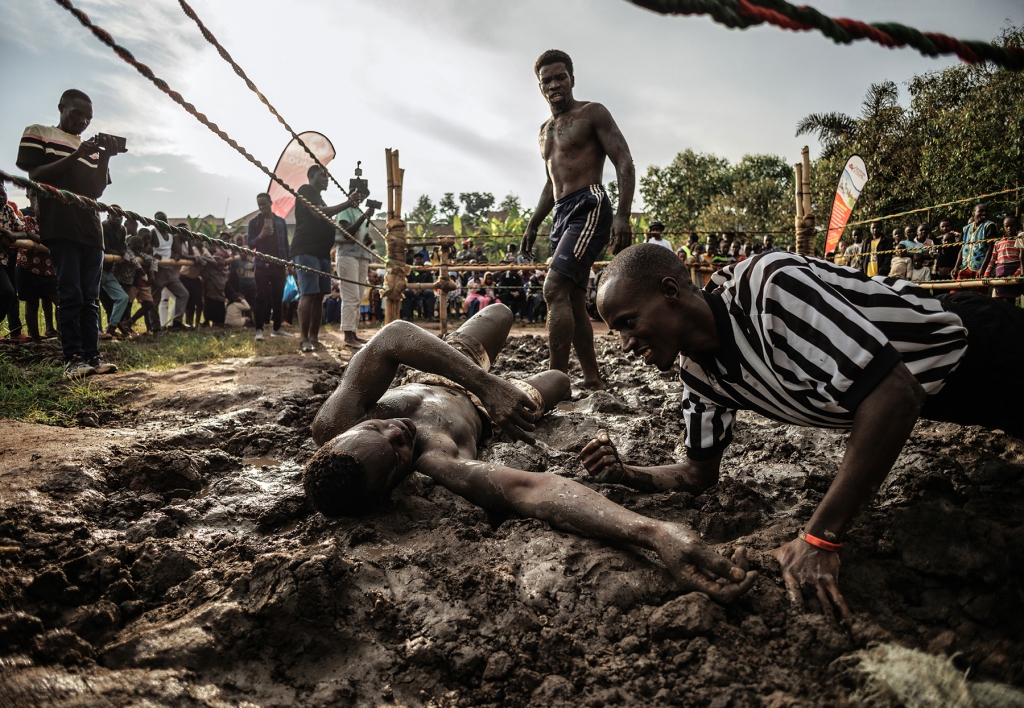
Jjumba Martin’s visual storytelling combines documentary photography, research, and narrative structure to create bodies of work that resonate beyond individual images. His approach recognises that complex realities cannot be communicated through one frame alone.
Visual Storytelling vs. Single Images
A single photograph can capture attention.
A sequence of photographs can communicate understanding.
Single images often prioritise immediacy — a decisive moment, an aesthetic composition, a striking subject. While powerful, they can also oversimplify complex realities.
Visual storytelling, by contrast:
- Develops themes across multiple images
- Shows context, environment, and relationships
- Allows contradictions and nuance
- Builds emotional progression
- Encourages deeper engagement
Rather than asking “What does this picture show?”, visual storytelling asks “What is the larger narrative unfolding here?”
This philosophy is central to his work in Documentary Photography.
Narrative Structure in Photography
Effective visual storytelling requires structure. Images are not arranged randomly; they are sequenced intentionally.
Key elements include:
- Opening frames that establish context
- Transitional images that deepen understanding
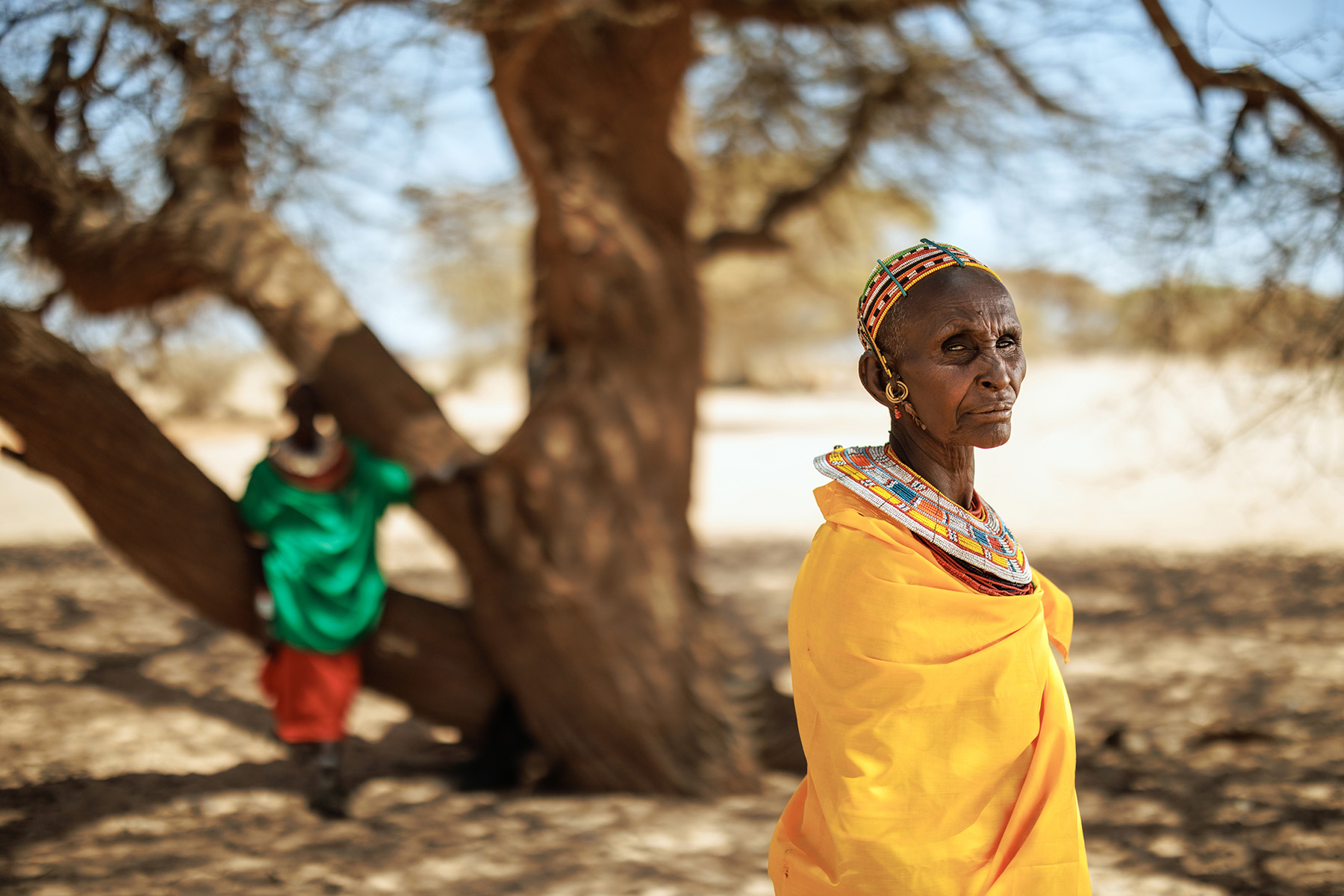
- Portraits that humanise broader themes
- Environmental scenes that situate individuals
- Closing frames that leave reflection rather than closure
Through sequencing, meaning emerges not from one image, but from their relationship to each other.
Context as Story
Images without context can mislead. Visual storytelling integrates:
- Social background
- Cultural environment
- Historical awareness
- Geographic specificity
This approach is particularly important when working within African contexts, where external representation has often reduced complexity.
For regionally grounded work, explore African Narratives.
Time and Continuity
Visual storytelling often requires duration.
Long-term engagement allows:
- Trust-building
- Evolving perspectives
- Observation of change
- Deeper thematic clarity
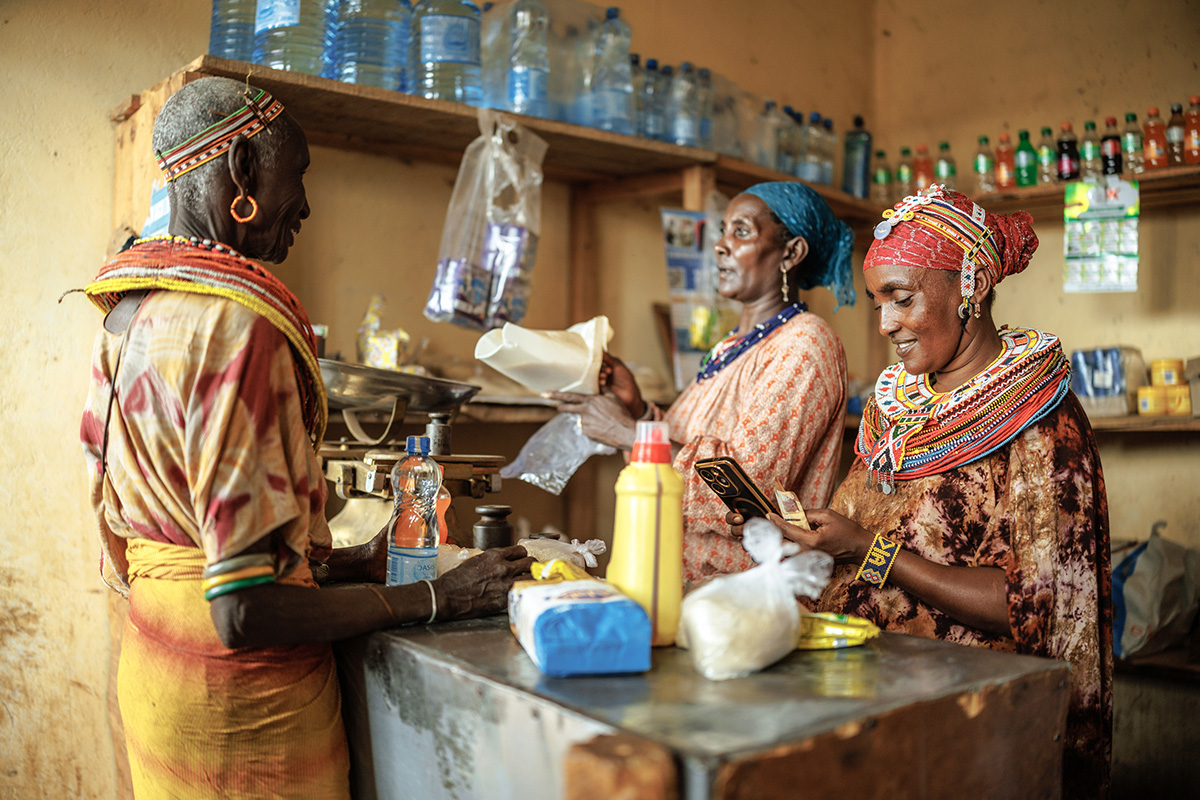
Rather than documenting only moments of intensity, storytelling captures everyday rhythms and structural realities.
Visual Storytelling in Commissioned Work
Although commonly associated with independent documentary projects, visual storytelling can also inform commissioned assignments.
For NGOs, institutions, and non-profits, this approach allows visual communication to:
- Reflect program evolution
- Communicate long-term impact
- Present beneficiaries as individuals, not symbols
- Align imagery with organisational narratives
This method strengthens work across:
- Humanitarian Photography
- NGO Photography
- Social Impact Photography
African Context and Narrative Responsibility
Visual storytelling within African contexts carries historical weight. Photography has frequently shaped global perceptions through selective imagery.
A narrative-driven approach seeks to:
- Challenge reductive framing
- Represent complexity
- Highlight internal perspectives
- Move beyond crisis-focused imagery
Storytelling becomes not only aesthetic practice, but representational responsibility.
Selected Visual Stories
Beyond Photography
Visual storytelling may also integrate:
- Captions and field notes
- Short written narratives
- Multimedia sequencing
- Exhibition presentation
- Editorial publication
The goal is cohesive narrative communication — not standalone imagery.