24-AgDevCo-Uganda-Jjumba-Martin

Documentary Photographer in Uganda

Jjumba Martin is a documentary photographer working across Uganda, focusing on human stories rooted in lived experience, social change, and cultural identity. His work documents communities, individuals, and environments with depth, respect, and long-term engagement.

As a documentary photographer in Uganda, Martin’s practice goes beyond single moments. His projects often unfold over time, allowing stories to emerge organically — whether within urban Kampala, rural communities, refugee settlements, or development contexts.

His photography has been used by NGOs, development organisations, cultural institutions, and private clients seeking authentic visual storytelling grounded in Uganda’s social realities.

Documentary photography projects in Uganda

Jjumba Martin’s documentary photography projects in Uganda focus on long-term, community-rooted storytelling that explores social change, identity, and lived experience. Working closely with local communities, civil society organisations, and development actors, his work documents everyday realities often overlooked by mainstream narratives — from grassroots initiatives and cultural life to issues of development, resilience, and belonging. Each project is approached with care, context, and ethical responsibility, prioritising depth over spectacle and collaboration over extraction.

While based in Kampala, Jjumba Martin’s work as a documentary photographer in Uganda extends across the country, from urban centres to remote and often underrepresented regions. His projects span Kampala’s social and cultural life, Northern Uganda’s post-conflict and recovery landscapes, Eastern Uganda’s rural communities, and refugee settlements where questions of displacement, resilience, and belonging are central. Working on location allows each story to be grounded in place, history, and lived experience, ensuring that the photographs reflect not just where they were made, but why those places matter.

Below, you can see some of the Documentary Photography Projects by Jjumba Martin.

7 DREAMS
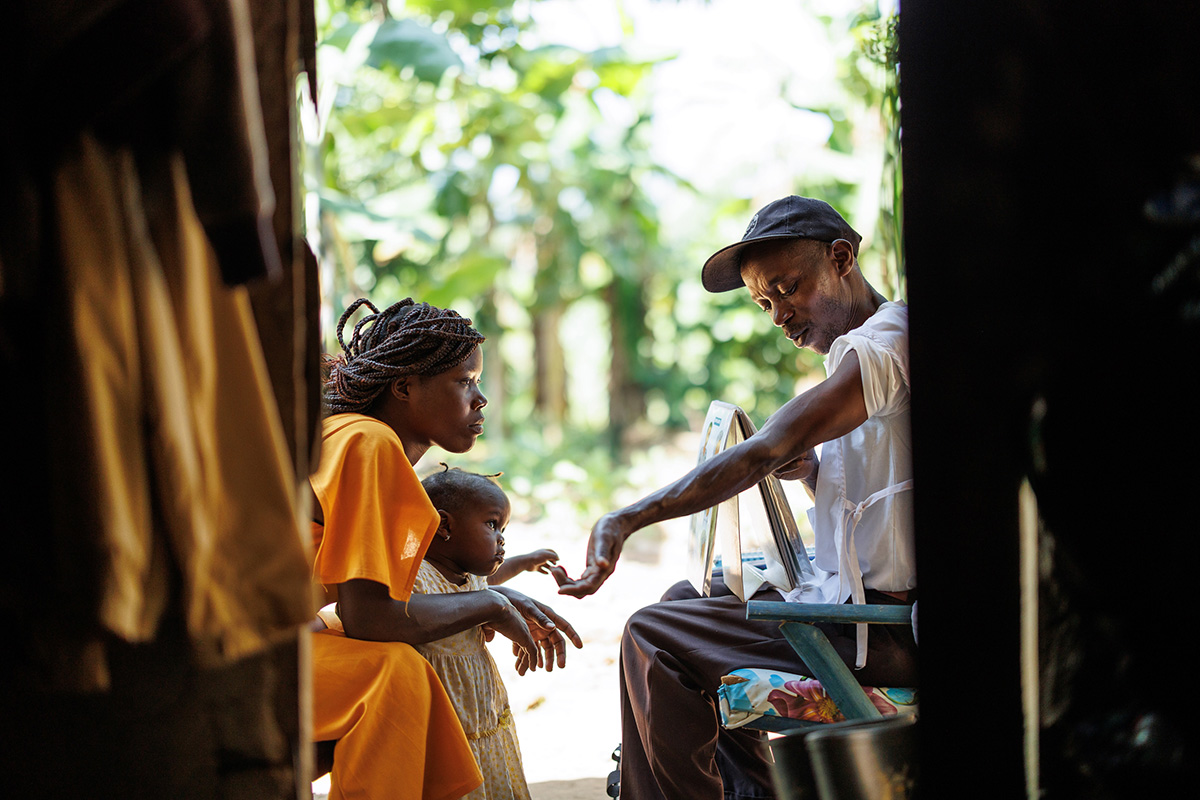
24-year-old Sandra intently listens to family planning advice from Kiriibwa Ronald, the Community Health Worker in her community. Ronald conducts daily home visits to his community to implement various programs that focus on maternal and child health. Community Health Workers like him also advise women on the family planning options to help them make informed decisions and even provide short-term methods like pills and condoms within their community, making them more accessible.
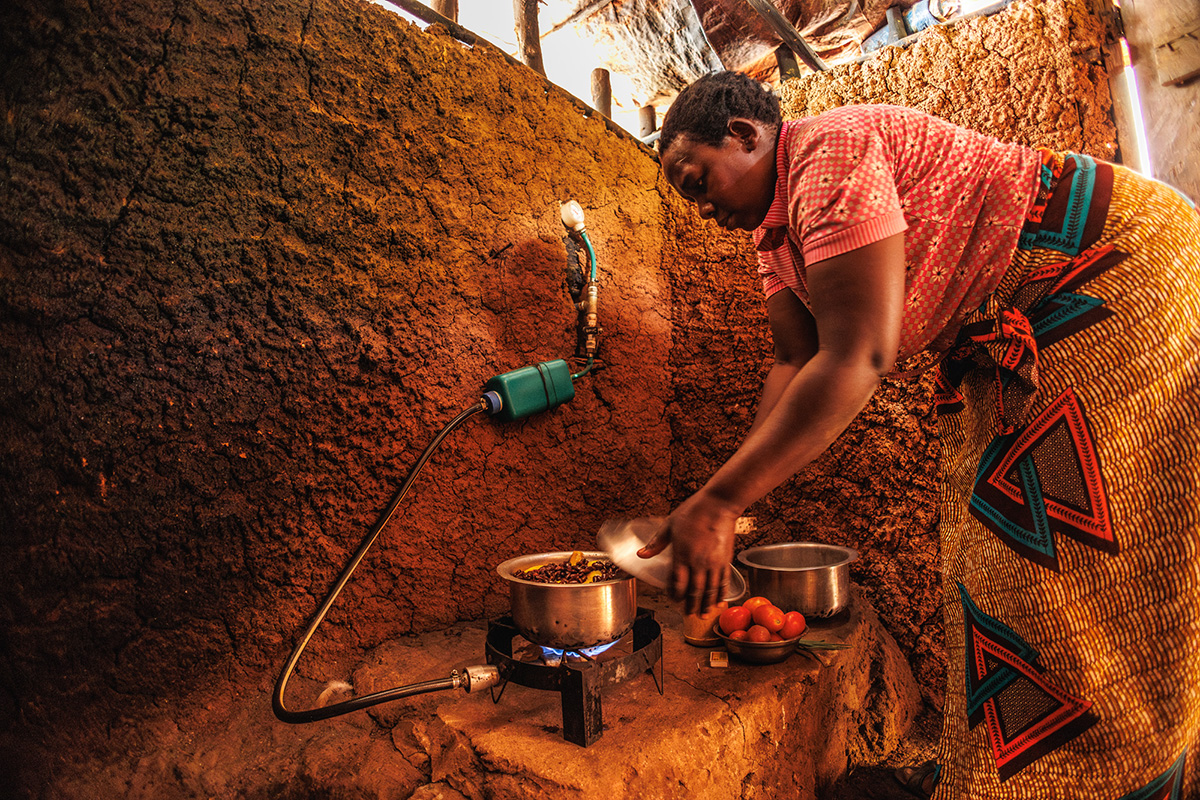
8 Climate Adaptation & Mitigation Project (CAMP+)

Organisations and editors seeking deeper insight into Jjumba’s work with development actors can explore his NGO photography, while those interested in crisis and displacement contexts may find his humanitarian photography particularly relevant. For a broader view of long-form work produced within the country, see Uganda documentary photography.

Frequently Asked Questions

What does a documentary photographer in Uganda do?
A documentary photographer in Uganda works on long-form visual stories that document social realities, cultural life, and ongoing change within the country. This often involves extended time in the field, collaboration with communities, and research-driven storytelling. Jjumba Martin’s documentary work focuses on context and continuity, ensuring that photographs are grounded in place, history, and lived experience rather than isolated moments.

Jjumba Martin is based in Kampala and works across Uganda, including Northern and Eastern regions, as well as refugee settlements. His projects span urban, rural, and displacement contexts, depending on the story being told and the communities involved. Working on location allows each project to respond directly to local realities rather than applying a one-size-fits-all visual approach.
Yes. In addition to self-initiated documentary projects, Jjumba Martin collaborates with NGOs, civil society organisations, and development partners on commissioned assignments. These projects often require a documentary approach that prioritises accuracy, dignity, and long-term value over short-term promotional imagery.
Documentary photography is centred on storytelling over time rather than single images or events. It involves research, sustained engagement, and ethical responsibility to subjects and audiences. Unlike commercial or event photography, documentary work aims to build understanding and record realities as they unfold, often addressing complex social or cultural themes.
Organisations, editors, and institutions can commission Jjumba Martin for documentary photography projects in Uganda by getting in touch through the website’s contact page. Early conversations typically focus on project goals, timelines, ethical considerations, and how the visual work will be used — whether for research, reporting, exhibitions, or public communication.